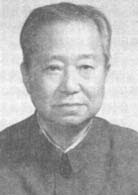
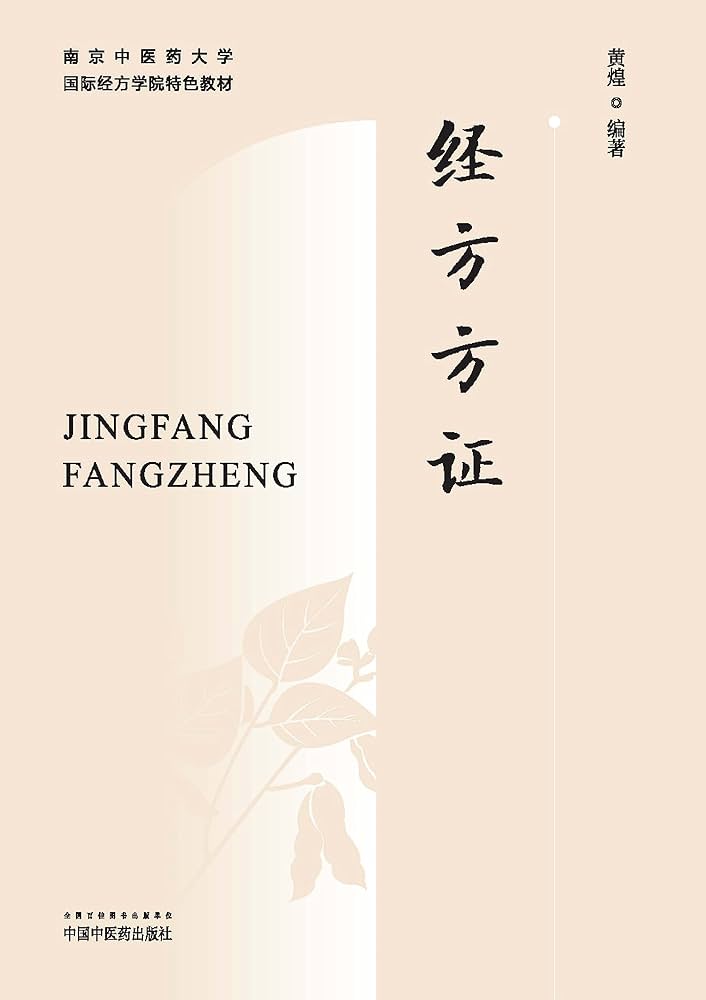
In my last class, I taught on Wūméi Wán (乌梅丸). While gathering material for the lecture, I translated the section on Wūméi Wán from my teacher Huáng Huáng’s (黄煌) Jīngfāng Formula Presentation.
There is so much valuable clinical information in this section that I thought it was worth sharing here as well.
Wūméi Wán is an incredible formula with a remarkably broad clinical scope—far beyond the treatment of intestinal worms, which is how many of us are first introduced to it. When we look beyond that traditional association and examine its formula presentation, characteristic symptoms, and modern clinical applications, a much richer picture begins to emerge.
I hope this translation helps shed some light on the depth and versatility of this fascinating classical formula.
Wumei Wan is the classical formula for Jueyin disease and the specific formula for hui jue (roundworm reversal). Traditionally, it is a formula that clears the upper while warming the lower, warms the viscera, and calms roundworms. It has the effects of calming roundworms, stopping diarrhea, relieving pain, relieving vexation, and treating reversal cold. The Wumei Wan presentation is characterized by reversal cold, abdominal pain and colicky pain, vexation and agitation, vomiting, and diarrhea, and is most commonly seen in diseases of the digestive system.
I. Classical Formula
Wumei, 300 pieces; Xixin, 6 liang; Ganjiang, 10 liang; Huanglian, 16 liang; Danggui, 4 liang; Fuzi, 6 liang (processed, peeled); Shujiao, 4 liang (sweated); Guizhi, 6 liang (peeled); Renshen, 6 liang; Huangbai, 6 liang.
Pound and sift the above ten ingredients separately, then combine them. Soak the Wumei overnight in bitter wine, remove the pits, and steam them beneath five dou of rice. When the rice is cooked, pound the Wumei into a paste and mix it thoroughly with the medicinal powders. Place the mixture in a mortar, add honey, and pound two thousand times. Form pills the size of wutong seeds. Before meals, take 10 pills, three times daily, gradually increasing to 20 pills.
(Shānghán lùn)
II. Classical Formula Presentation
In cold damage, when the pulse is faint and there is reversal, and at seven or eight days, [there is] cold skin and the person is agitated without temporary [periods of] quiet, this is visceral reversal, and not roundworm reversal. In roundworm reversal, the person should vomit roundworms. Now, the person is still, and then has periodic vexation, which indicates visceral cold. The roundworms ascend and enter the diaphragm, and therefore there is vexation; after a short while it stops again. After eating, there is retching and again vexation, when the roundworms smell the malodorous food. The person should spontaneously vomit roundworms. For roundworm reversal, Wumei Wan governs. It also governs enduring diarrhea.
(Shānghán lùn 338)
1. Roundworm Reversal
Jue (厥) refers, in one sense, to qi closure and collapse or loss of consciousness, as in syncope, phlegm reversal, qi reversal, and roundworm reversal. In another sense, it refers to a condition characterized primarily by lack of warmth in the four limbs. As stated in the Suwen, Treatise on Reversal:
“The cold of cold reversal must ascend from the five digits to the knees.”
This suggests that Wumei Wan can treat disorders involving sudden collapse or icy-cold extremities.
Roundworm reversal also suggests that Wumei Wan can treat diseases related to roundworms. The Shang Han Lun Fang Jie records:
“This formula has outstanding efficacy for abdominal pain due to accumulation of worms, in which extreme pain leads to reversal.”
2. Enduring Diarrhea
This symptom indicates that Wumei Wan treats chronic diarrheal diseases, an application continued by later generations.
“This is the sacred formula for treating enduring dysentery.”
—Xu Lingtai, Shang Han Lun Lei Fang“Treats postpartum dysentery from cold and heat, with prolonged diarrhea that does not cease.”
—Sheng Ji Zong Lu“Used for enduring dysentery that does not cease, or recurrent dysentery; repeatedly effective.”
—Huang Han Yi Xue Yao Jue
3. Vexation
Here, fan (烦) refers to a distressing psychological experience. The patient is restless, uncomfortable, depressed, or anxious, and most often has accompanying insomnia.
The formula contains 16 liang of Huanglian, far exceeding the amounts of Ganjiang, Guizhi, Renshen, Danggui, and the other ingredients. Among classical formulas, the formula containing the largest amount of Huanglian is Huanglian Ejiao Tang, which contains 4 liang of Huanglian and treats:
“Shaoyin disease of two or three days or more, with vexation in the heart and inability to sleep.” (303)
This suggests that Wumei Wan can relieve vexation and aid sleep, as well as treat psychological and emotional disorders such as chest oppression, palpitations, anxiety, and depression.
4. Vomiting
“In roundworm reversal, the person should vomit roundworms… After eating, there is retching” (338)
This suggests that Wumei Wan can treat disorders involving vomiting and reflux, including dry retching, nausea, and regurgitation.
5. Abdominal Pain
Dajianzhong Tang, which contains Chuanjiao, Renshen, and Ganjiang, treats:
“Great cold and pain in the heart and chest, vomiting with inability to eat or drink, cold in the abdomen, something surging upward and raising the skin, appearing as though it has a head and feet, with pain moving upward and downward that cannot tolerate being touched.”
Huanglian Tang, containing Huanglian and Rougui, treats:
“Cold damage with heat in the chest, pathogenic qi in the stomach, abdominal pain, and a desire to vomit.” (173)
Chi Wan, containing Fuzi and Xixin, treats chest and abdominal pain from “cold qi reversal” (Chapter 10), while Dahuang Fuzi Tang (Dahuang, Fuzi, Xixin) treats “one-sided pain below the ribs” (Chapter 10).
This suggests that Wumei Wan can treat severe abdominal colicky pain, with raised, fluctuating masses appearing in the abdomen, accompanied by chest oppression, a choking sensation in the throat, dizziness and headache, and even syncope with loss of consciousness.
Using roundworm reversal as an example, the original passage depicts a Wumei Wan presentation characterized by a mixture of cold and heat, with vomiting above and diarrhea below. Its pattern of onset has two main characteristics:
First, vomiting and counterflow above, with pain and diarrhea below. There may be gastric and esophageal reflux, vomiting, belching, acid regurgitation, or epigastric discomfort; together with abdominal pain and diarrhea, diarrhea triggered by cold exposure, or predawn diarrhea.
Second, internal vexing heat with external reversal cold. There may be chest oppression and agitation, insomnia with night sweating, or easy hunger with a strong appetite; yet the patient is also averse to cold, wears heavy clothing, and has icy-cold hands and feet.
Regarding the pathological mechanism of the Wumei Wan presentation, traditional explanations include “intermingling of yin and yang, confusion of cold and heat” (Wu Qian); “stomach qi deficiency with pathogens of mixed cold and heat accumulating in the chest” (Zhang Lu); and “the principal formula of Jueyin” and “the method for the various presentations of Jueyin” (Ke Yunbo).
Wumei Wan has the effects of relieving pain, stopping diarrhea, stopping vomiting, relieving vexation, resolving reversal, calming roundworms, and treating wasting-thirst. Pharmacological research suggests anti-inflammatory, antidepressant, and glucose-lowering effects, as well as promotion of gastrointestinal functional recovery, regulation of the intestinal microbiota, and repair of the mucosal barrier. On this basis, it may be inferred that reflux, depression, inflammation, gastrointestinal dysfunction, and intestinal microbiota dysregulation constitute the basic pathological foundation of the Wumei Tang presentation.
III. Suitable Patient Population
The clinical manifestations of this formula presentation are complex and varied. Although there is pain and diarrhea, the abdomen does not resist pressure. Although there is aversion to cold, the pulse is not faint, fine, and weak. Although there is vexation and agitation, there is no clouding of consciousness, delirium, or mania. Although the patient has numerous distressing complaints, examinations reveal no abnormalities. Severe symptoms with mild objective signs are characteristic.
1. Greenish-Yellow, Thin Face
The complexion is yellow, greenish, or pale. The brows are tightly furrowed, with a distressed appearance and an expression of agitation or depression.
2. Red, Eroded Lips and Tongue
Most have dry, red lips, or dark-red lips; the lips may be swollen and eroded, or there may be sores of the mouth and tongue. The tongue is dark red, with a thick or white greasy coating.
There are often chronic inflammatory conditions of the head and face, such as conjunctivitis, periodontitis, otitis media, and pharyngitis.
3. Wiry, Slippery, Large Pulse
The pulse is wiry and hard, or slippery and rapid, or large and forcefully strikes the finger.
4. Icy-Cold Hands and Feet
The hands and feet are cold and feel like ice to the touch. The patient is averse to cold and wears heavy clothing.
5. Frequent Pain
There are numerous complaints of pain. The pain may be stabbing, distending, or pulling in nature. Abdominal pain is most common, but there may also be headache, chest and hypochondriac pain, testicular pain, dysmenorrhea, and other forms of pain.
6. Onset Around Midnight
Abdominal pain, insomnia, or reflux often begins or worsens around midnight or in the early morning. Examples include gastroesophageal reflux disease, the dawn phenomenon in diabetes, and predawn diarrhea.
IV. Suitable Diseases and Conditions
The key clinical manifestations of the Wumei Wan presentation are “pain, vomiting, diarrhea, vexation, and reversal.” However, because diseases and presentations differ, identification of the formula presentation may be made when only one or two of these signs are present; it is not necessary for all of them to be present.
There are various types, including abdominal pain type, reflux type, vexing-heat type, and diarrhea type, involving multiple systems such as the neuropsychiatric, digestive, and circulatory systems.
1. Irritable Bowel Syndrome
Most commonly seen in thin middle-aged and elderly women, with longstanding painful diarrhea or chronic diarrhea, depression and anxiety, insomnia and agitation, reflux and abdominal distention, with attacks occurring around midnight or in the early morning.
Wumei Wan is effective for diarrhea-predominant irritable bowel syndrome. This formula can stop diarrhea, improve sleep, regulate mood, and suppress reflux.
2. Crohn’s Disease
This is an inflammatory intestinal disease of unknown cause. Clinical manifestations include abdominal pain, diarrhea, and intestinal obstruction, accompanied by extra-intestinal manifestations such as fever and nutritional disorders.
The disease course is often prolonged, with recurrent attacks, and it is difficult to cure completely. This formula has relatively pronounced effects on abdominal pain and diarrhea. It is suitable for those whose abdomen becomes raised or distended during attacks of abdominal pain, as well as those with severe abdominal pain that worsens at night. It is more commonly seen in younger people.
3. Gastrointestinal Polyps
This formula is suitable for middle-aged and elderly men with diarrhea and abdominal pain that are easily triggered by cold exposure, a tendency toward oral ulcers, and lack of response to conventional treatment.
The formula is relatively effective at improving clinical symptoms, but whether it can eliminate polyps remains to be observed.
4. Depression
This formula is suitable for those with numerous distressing complaints and many sudden-onset symptoms, but whose examinations reveal no abnormalities.
The formula can improve sleep, relieve pain, and eliminate symptoms such as abdominal pain, vomiting, and diarrhea.
5. Diabetes
There are reports of this formula being used for diabetic gastroparesis, diabetic diarrhea, and diabetic heart disease.
The formula is suitable for those with a strong appetite, dry mouth around midnight, diarrhea, and persistently elevated blood glucose.
6. Other Conditions
There are individual case reports of this formula treating allergic purpura, psychogenic vomiting, oral ulcers, corneal ulcers, pelvic inflammatory disease, infertility, functional uterine bleeding, obesity, and skin diseases.
V. Formula Presentation Differentiation
1. This Formula and Sini San
Both formula presentations may involve painful diarrhea and aversion to cold.
The Wumei Wan presentation includes reflux and vomiting, whereas these are not prominent in the Sini San presentation. On abdominal palpation, the Sini San presentation often has abdominal muscle tension, whereas this is not prominent in the Wumei Wan presentation.
Heat signs are prominent in the Wumei Wan presentation, often including erosion of the mouth and tongue, agitation, and a red tongue, whereas these are not prominent in the Sini San presentation.
2. This Formula and Huanglian Tang
Both formulas can treat painful diarrhea and insomnia.
The pulse in the Wumei Wan presentation is wiry, hard, large, and slippery, whereas the pulse in the Huanglian Tang presentation is weak and moderate.
Pain and diarrhea are more prominent in the Wumei Wan presentation, whereas pain and vomiting are more prominent in the Huanglian Tang presentation.
VI. Reference Dosage
Wumei (with pit) 20–50 g; Huanglian 5–15 g; Huangbai 5 g; Renshen 5 g or Dangshen 10 g; Danggui 5 g; Xixin 5 g; Rougui 5 g; processed Fuzi 5 g; Ganjiang 10 g; Chuanjiao 5 g; a small handful of Gengmi; and 1 tablespoon rice vinegar.
Decoct in water. Divide into 2–3 doses daily and take after meals. When taking each dose, mix in 1 tablespoon of honey.
Alternatively, prepare honey pills according to the proportions of the original formula. Take 2–3 g per dose, three times daily.