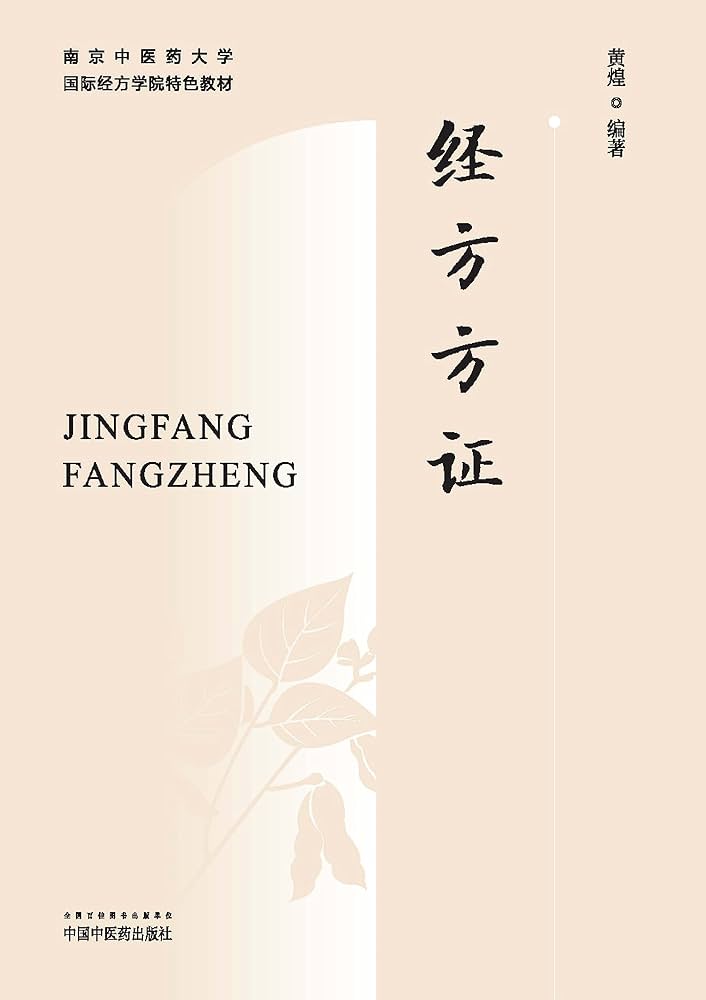
Wūméi Wán from Huáng Huáng’s Jīngfāng Formula Presentations

In my last class, I taught on Wūméi Wán (乌梅丸). While gathering material for the lecture, I translated the section on Wūméi Wán from my teacher Huáng Huáng’s (黄煌) Jīngfāng Formula Presentation.

There is so much valuable clinical information in this section that I thought it was worth sharing here as well.

Wūméi Wán is an incredible formula with a remarkably broad clinical scope—far beyond the treatment of intestinal worms, which is how many of us are first introduced to it. When we look beyond that traditional association and examine its formula presentation, characteristic symptoms, and modern clinical applications, a much richer picture begins to emerge.

I hope this translation helps shed some light on the depth and versatility of this fascinating classical formula.
Wumei Wan is the classical formula for Jueyin disease and the specific formula for hui jue (roundworm reversal). Traditionally, it is a formula that clears the upper while warming the lower, warms the viscera, and calms roundworms. It has the effects of calming roundworms, stopping diarrhea, relieving pain, relieving vexation, and treating reversal cold. The Wumei Wan presentation is characterized by reversal cold, abdominal pain and colicky pain, vexation and agitation, vomiting, and diarrhea, and is most commonly seen in diseases of the digestive system.

I. Classical Formula

Wumei, 300 pieces; Xixin, 6 liang; Ganjiang, 10 liang; Huanglian, 16 liang; Danggui, 4 liang; Fuzi, 6 liang (processed, peeled); Shujiao, 4 liang (sweated); Guizhi, 6 liang (peeled); Renshen, 6 liang; Huangbai, 6 liang.

Pound and sift the above ten ingredients separately, then combine them. Soak the Wumei overnight in bitter wine, remove the pits, and steam them beneath five dou of rice. When the rice is cooked, pound the Wumei into a paste and mix it thoroughly with the medicinal powders. Place the mixture in a mortar, add honey, and pound two thousand times. Form pills the size of wutong seeds. Before meals, take 10 pills, three times daily, gradually increasing to 20 pills.

(Shānghán lùn)

II. Classical Formula Presentation

In cold damage, when the pulse is faint and there is reversal, and at seven or eight days, [there is] cold skin and the person is agitated without temporary [periods of] quiet, this is visceral reversal, and not roundworm reversal. In roundworm reversal, the person should vomit roundworms. Now, the person is still, and then has periodic vexation, which indicates visceral cold. The roundworms ascend and enter the diaphragm, and therefore there is vexation; after a short while it stops again. After eating, there is retching and again vexation, when the roundworms smell the malodorous food.  The person should spontaneously vomit roundworms. For roundworm reversal, Wumei Wan governs. It also governs enduring diarrhea. 

(Shānghán lùn 338)

1. Roundworm Reversal

Jue (厥) refers, in one sense, to qi closure and collapse or loss of consciousness, as in syncope, phlegm reversal, qi reversal, and roundworm reversal. In another sense, it refers to a condition characterized primarily by lack of warmth in the four limbs. As stated in the Suwen, Treatise on Reversal:

“The cold of cold reversal must ascend from the five digits to the knees.”

This suggests that Wumei Wan can treat disorders involving sudden collapse or icy-cold extremities.

Roundworm reversal also suggests that Wumei Wan can treat diseases related to roundworms. The Shang Han Lun Fang Jie records:

“This formula has outstanding efficacy for abdominal pain due to accumulation of worms, in which extreme pain leads to reversal.”

2. Enduring Diarrhea

This symptom indicates that Wumei Wan treats chronic diarrheal diseases, an application continued by later generations.

“This is the sacred formula for treating enduring dysentery.”
—Xu Lingtai, Shang Han Lun Lei Fang

“Treats postpartum dysentery from cold and heat, with prolonged diarrhea that does not cease.”
Sheng Ji Zong Lu

“Used for enduring dysentery that does not cease, or recurrent dysentery; repeatedly effective.”
Huang Han Yi Xue Yao Jue

3. Vexation

Here, fan (烦) refers to a distressing psychological experience. The patient is restless, uncomfortable, depressed, or anxious, and most often has accompanying insomnia.

The formula contains 16 liang of Huanglian, far exceeding the amounts of Ganjiang, Guizhi, Renshen, Danggui, and the other ingredients. Among classical formulas, the formula containing the largest amount of Huanglian is Huanglian Ejiao Tang, which contains 4 liang of Huanglian and treats:

“Shaoyin disease of two or three days or more, with vexation in the heart and inability to sleep.” (303)

This suggests that Wumei Wan can relieve vexation and aid sleep, as well as treat psychological and emotional disorders such as chest oppression, palpitations, anxiety, and depression.

4. Vomiting

“In roundworm reversal, the person should vomit roundworms… After eating, there is retching” (338)

This suggests that Wumei Wan can treat disorders involving vomiting and reflux, including dry retching, nausea, and regurgitation.

5. Abdominal Pain

Dajianzhong Tang, which contains Chuanjiao, Renshen, and Ganjiang, treats:

“Great cold and pain in the heart and chest, vomiting with inability to eat or drink, cold in the abdomen, something surging upward and raising the skin, appearing as though it has a head and feet, with pain moving upward and downward that cannot tolerate being touched.”

Huanglian Tang, containing Huanglian and Rougui, treats:

“Cold damage with heat in the chest, pathogenic qi in the stomach, abdominal pain, and a desire to vomit.” (173)

Chi Wan, containing Fuzi and Xixin, treats chest and abdominal pain from “cold qi reversal” (Chapter 10), while Dahuang Fuzi Tang (Dahuang, Fuzi, Xixin) treats “one-sided pain below the ribs” (Chapter 10).

This suggests that Wumei Wan can treat severe abdominal colicky pain, with raised, fluctuating masses appearing in the abdomen, accompanied by chest oppression, a choking sensation in the throat, dizziness and headache, and even syncope with loss of consciousness.

Using roundworm reversal as an example, the original passage depicts a Wumei Wan presentation characterized by a mixture of cold and heat, with vomiting above and diarrhea below. Its pattern of onset has two main characteristics:

First, vomiting and counterflow above, with pain and diarrhea below. There may be gastric and esophageal reflux, vomiting, belching, acid regurgitation, or epigastric discomfort; together with abdominal pain and diarrhea, diarrhea triggered by cold exposure, or predawn diarrhea.

Second, internal vexing heat with external reversal cold. There may be chest oppression and agitation, insomnia with night sweating, or easy hunger with a strong appetite; yet the patient is also averse to cold, wears heavy clothing, and has icy-cold hands and feet.

Regarding the pathological mechanism of the Wumei Wan presentation, traditional explanations include “intermingling of yin and yang, confusion of cold and heat” (Wu Qian); “stomach qi deficiency with pathogens of mixed cold and heat accumulating in the chest” (Zhang Lu); and “the principal formula of Jueyin” and “the method for the various presentations of Jueyin” (Ke Yunbo).

Wumei Wan has the effects of relieving pain, stopping diarrhea, stopping vomiting, relieving vexation, resolving reversal, calming roundworms, and treating wasting-thirst. Pharmacological research suggests anti-inflammatory, antidepressant, and glucose-lowering effects, as well as promotion of gastrointestinal functional recovery, regulation of the intestinal microbiota, and repair of the mucosal barrier. On this basis, it may be inferred that reflux, depression, inflammation, gastrointestinal dysfunction, and intestinal microbiota dysregulation constitute the basic pathological foundation of the Wumei Tang presentation.

III. Suitable Patient Population

The clinical manifestations of this formula presentation are complex and varied. Although there is pain and diarrhea, the abdomen does not resist pressure. Although there is aversion to cold, the pulse is not faint, fine, and weak. Although there is vexation and agitation, there is no clouding of consciousness, delirium, or mania. Although the patient has numerous distressing complaints, examinations reveal no abnormalities. Severe symptoms with mild objective signs are characteristic.

1. Greenish-Yellow, Thin Face

The complexion is yellow, greenish, or pale. The brows are tightly furrowed, with a distressed appearance and an expression of agitation or depression.

2. Red, Eroded Lips and Tongue

Most have dry, red lips, or dark-red lips; the lips may be swollen and eroded, or there may be sores of the mouth and tongue. The tongue is dark red, with a thick or white greasy coating.

There are often chronic inflammatory conditions of the head and face, such as conjunctivitis, periodontitis, otitis media, and pharyngitis.

3. Wiry, Slippery, Large Pulse

The pulse is wiry and hard, or slippery and rapid, or large and forcefully strikes the finger.

4. Icy-Cold Hands and Feet

The hands and feet are cold and feel like ice to the touch. The patient is averse to cold and wears heavy clothing.

5. Frequent Pain

There are numerous complaints of pain. The pain may be stabbing, distending, or pulling in nature. Abdominal pain is most common, but there may also be headache, chest and hypochondriac pain, testicular pain, dysmenorrhea, and other forms of pain.

6. Onset Around Midnight

Abdominal pain, insomnia, or reflux often begins or worsens around midnight or in the early morning. Examples include gastroesophageal reflux disease, the dawn phenomenon in diabetes, and predawn diarrhea.

IV. Suitable Diseases and Conditions

The key clinical manifestations of the Wumei Wan presentation are “pain, vomiting, diarrhea, vexation, and reversal.” However, because diseases and presentations differ, identification of the formula presentation may be made when only one or two of these signs are present; it is not necessary for all of them to be present.

There are various types, including abdominal pain type, reflux type, vexing-heat type, and diarrhea type, involving multiple systems such as the neuropsychiatric, digestive, and circulatory systems.

1. Irritable Bowel Syndrome

Most commonly seen in thin middle-aged and elderly women, with longstanding painful diarrhea or chronic diarrhea, depression and anxiety, insomnia and agitation, reflux and abdominal distention, with attacks occurring around midnight or in the early morning.

Wumei Wan is effective for diarrhea-predominant irritable bowel syndrome. This formula can stop diarrhea, improve sleep, regulate mood, and suppress reflux.

2. Crohn’s Disease

This is an inflammatory intestinal disease of unknown cause. Clinical manifestations include abdominal pain, diarrhea, and intestinal obstruction, accompanied by extra-intestinal manifestations such as fever and nutritional disorders.

The disease course is often prolonged, with recurrent attacks, and it is difficult to cure completely. This formula has relatively pronounced effects on abdominal pain and diarrhea. It is suitable for those whose abdomen becomes raised or distended during attacks of abdominal pain, as well as those with severe abdominal pain that worsens at night. It is more commonly seen in younger people.

3. Gastrointestinal Polyps

This formula is suitable for middle-aged and elderly men with diarrhea and abdominal pain that are easily triggered by cold exposure, a tendency toward oral ulcers, and lack of response to conventional treatment.

The formula is relatively effective at improving clinical symptoms, but whether it can eliminate polyps remains to be observed.

4. Depression

This formula is suitable for those with numerous distressing complaints and many sudden-onset symptoms, but whose examinations reveal no abnormalities.

The formula can improve sleep, relieve pain, and eliminate symptoms such as abdominal pain, vomiting, and diarrhea.

5. Diabetes

There are reports of this formula being used for diabetic gastroparesis, diabetic diarrhea, and diabetic heart disease.

The formula is suitable for those with a strong appetite, dry mouth around midnight, diarrhea, and persistently elevated blood glucose.

6. Other Conditions

There are individual case reports of this formula treating allergic purpura, psychogenic vomiting, oral ulcers, corneal ulcers, pelvic inflammatory disease, infertility, functional uterine bleeding, obesity, and skin diseases.

V. Formula Presentation Differentiation

1. This Formula and Sini San

Both formula presentations may involve painful diarrhea and aversion to cold.

The Wumei Wan presentation includes reflux and vomiting, whereas these are not prominent in the Sini San presentation. On abdominal palpation, the Sini San presentation often has abdominal muscle tension, whereas this is not prominent in the Wumei Wan presentation.

Heat signs are prominent in the Wumei Wan presentation, often including erosion of the mouth and tongue, agitation, and a red tongue, whereas these are not prominent in the Sini San presentation.

2. This Formula and Huanglian Tang

Both formulas can treat painful diarrhea and insomnia.

The pulse in the Wumei Wan presentation is wiry, hard, large, and slippery, whereas the pulse in the Huanglian Tang presentation is weak and moderate.

Pain and diarrhea are more prominent in the Wumei Wan presentation, whereas pain and vomiting are more prominent in the Huanglian Tang presentation.

VI. Reference Dosage

Wumei (with pit) 20–50 g; Huanglian 5–15 g; Huangbai 5 g; Renshen 5 g or Dangshen 10 g; Danggui 5 g; Xixin 5 g; Rougui 5 g; processed Fuzi 5 g; Ganjiang 10 g; Chuanjiao 5 g; a small handful of Gengmi; and 1 tablespoon rice vinegar.

Decoct in water. Divide into 2–3 doses daily and take after meals. When taking each dose, mix in 1 tablespoon of honey.

Alternatively, prepare honey pills according to the proportions of the original formula. Take 2–3 g per dose, three times daily.
Liu Duzhou on Water Patterns [水证论] – Part 3

二、皮水

皮水是由于脾虚,不能运化水湿,水湿阻塞中焦,故腹中胀满;肺气虚则不能通调三焦,以致水湿停留,故下肢踝部浮肿,按之没指,为水性润下之徵。父言皮水之脉浮与风水同。但无恶风身痛等证为异。

2. Skin Water

Skin water is caused by spleen deficiency, which is unable to transport and transform water dampness. The blocked water dampness obstructs the middle burner, resulting in abdominal distension. If lung qi is deficient it is unable to free and regulate the triple burner, causing water dampness to accumulate. Consequently, there is swelling in the ankles and the lower limbs, with the characteristic of indentation when pressed, indicating a manifestation of dampness with a watery nature. The older generations say that the pulse of skin water is floating and shares similarities with wind-dampness, but it differs in the absence of symptoms such as aversion to wind and body pain.

皮水治法:皮水脉浮为水在表,因势利导而发其汗,可用越婵加术汤。如果皮水为病,四肢肿;水气在皮肤中,四肢聂聂动者,可用防已茯苓汤主之(防己三两,黄芪三两,桂枝三两,茯苓六两,甘草二两。以水六升,煮取二升,分温三服)。

Skin Water Treatment: In skin water, the pulse is floating, indicating that there is water in the surface, and in order to help it along its course, one should promote sweating. This can be achieved with the use of Yuèbì Jiā Zhú Tāng (越婵加术汤).  In skin water disease, there is swelling in the limbs, and slight movements of the limbs, which indicates that water qi is in the skin, and one can use Fángjǐ Fúlíng Tāng (防已茯苓汤), [Fángjǐ 3 liang, Huángqí 3 liang, Guìzhī 3 liang, Fúlíng 6 liang, Gāncǎo 2 liang. Boil in six sheng of water, reduce to two sheng, and take warm in three doses].

尤怡认为“皮中水气,浸淫四末,而壅遏卫气,气水相逐,则四肢聂聂动也。防己,茯苓善驱水气,桂枝得茯苓,则不发表而反行水,且合黄芪、甘草助表中之气,以行防己、茯苓之力也”。

According to Yóuyí, “[When there is] water qi in the skin, it seeps and spreads to the four limbs, and congests and obstructs the defense qi, leading to the mutual chasing of qi and water, [and thus] the limbs exhibit slight movements. Fángjǐ and Fúlíng are good for expelling water qi. Guì Zhī, enhances the effect of Fúlíng, and thus avoids effusing the surface but instead moves water. Moreover, the combination of Huángqí and Gāncǎo assists the qi in the surface to support the actions of Fángjǐ and Fúlíng.”

三、正水

正水是由于脾肾阳虚,不能气化以蒸发水湿之邪,以致水停于里而不行,故腹满而脉沉迟。水多则外溢而身体浮肿;水气上迫于肺因而作喘;若水凌于心阳,则身重短气不得卧;火不温肾,水寒下控其人则阴肿而烦躁不安;若水邪侵肝,气机被阻,故胁下与腹作痛。肝之疏泄功能乖戾,其气时而上冲,时而下降,水液随气上升,则时时津液微生; 水液随肝气下降,则小便续通;肝病犯脾,不能运化水湿,所以腹部胀大;如果水邪侵脾,脾失转输之常,不能升清降浊,水湿聚中,流于四肢,故腹胀大,四肢苦重难于活动。

3. Regular Water 

Regular water is due to the deficiency of spleen and kidney yang, which leads to the inability of qi transformation to evaporate pathogenic water dampness, to the extent where water settles internally and does not move, resulting in abdominal fullness and a deep-slow pulse. Copious water overflows into the surface resulting in generalized body swelling; Water qi rises upwards and distresses the lungs causing panting; If water intimidates the heart yang, it will result in generalized heaviness, shortness of breath, and an inability to sleep. [If] fire fails to warm the kidneys, water cold controls the lower [body] resulting in genital swelling as well as vexation, agitation, and disquietude; If pathogenic water invades the liver, the qi mechanism becomes obstructed, resulting in sub-costal and abdominal pain.  

肝之疏泄功能乖戾,其气时而上冲,时而下降,水液随气上升,则时时津液微生; 水液随肝气下降,则小便续通;肝病犯脾,不能运化水湿,所以腹部胀大;如果水邪侵脾,脾失转输之常,不能升清降浊,水湿聚中,流于四肢,故腹胀大,四肢苦重难于活动。

[If] the liver’s free coursing function is disrupted, the qi will occasionally surge upwards as well as occasionally descend. Fluids will follow the qi and ascend, resulting in the intermittent engendering of fluids. Fluids will [also] follow liver qi and descend, resulting in continuous and free urination.  [When] the liver invades the spleen, [the spleen] will be unable to move and transform water damp, resulting in abdominal distention and enlargement. If pathogenic water invades the spleen, the spleen [function] of transformation will be abnormal, and it will be unable to upbear the clear and downbear the turbid. Water damp will accumulate in the centre, flow into the four limbs and lead to abdominal distention and enlargement, and the four limbs will suffer from heaviness and have difficulty moving. 

脾为水困,津液不生,气亦不足,故见口渴、少气。脾不散精于肺,肺不通调水道以行决渎,故小便难;如果水寒之邪盛于下,肾阳衰弱,不能温化水气,水气增多,故腹大,脐肿,腰痛,不得溺也。肾阳不温阳气不充,故阴下湿如牛鼻上汗,其足逆冷;阳气不华于上,其面反瘦。

The spleen, when encumbered by water, fails to generate bodily fluids, resulting in insufficient qi, which manifests with thirst and shortness of breath. [When] the spleen fails to distribute essence to the lungs, the lungs are unable to regulate the water ways in order to move and keep the sluices clear, which results in difficult urination. If pathogenic cold water is exuberant in the lower [body], kidney yang [becomes] depleted and is unable to warm and transform water qi. Water qi will increase, resulting in an enlarged abdomen, swelling of the umbilicus, lumbar pain, and an inability to urinate. [When] kidney yang fails to warm and yang qi is insufficient, this leads to the descent of damp with [conditions] such as ox’s nose, upper sweating and counterflow cold. [When] yang qi fails to [supply] luster to the upper, the face becomes thin. 

五脏水邪,因其生理各异,故病理与证候而不相同。然而五脏水邪病,其中肺、脾、肾三脏阳气之虚衰,不能行气化津而使水邪内停则是它们的共性。因此,在治疗申总以通阳化气,消阴利水之法实为上策。

The pathologies of pathogenic water in the five viscera differ due to their distinct physiological functions, resulting in varying patterns and symptoms. However, a commonality among diseases involving pathogenic water in the lungs, spleen, and kidneys is the deficiency and debilitation of yang qi in these organs. This deficiency hinders the proper movement of qi and transformation of fluids, which leads to the internal collection of water. Therefore, in the treatment of these conditions, prioritizing methods that free yang, transform qi, disperse yin, and disinhibit water are considered the optimal strategies.

后世医家,将水分为阴、阳两类,阳水为热为实,治以驱邪为主。如水气逼肺而作喘,通调不利而小便短涩,治用苏葶丸(苏子、葶苈子)或沉香琥珀丸(苦葶苈子、郁李仁、防己、沉香、陈皮、琥珀、杏仁、苏子、赤茯苓、泽泻、麝香)。若通身水肿,二便不利,脉来浮滑,其人体力不衰者,可用疏凿饮子,外散内利(椒目、赤小豆、槟榔、商陆、木通、羌活、秦艽、大腹皮、茯苓皮、泽泻);如果形气稍差,或年老体弱之人,则用外散内利两解之法,如茯苓导水汤最为理想(泽泻、茯苓、桑皮、木香、木瓜、砂仁、陈皮、白术、苏叶、大腹皮、麦冬、槟榔)。

Later generations of medical practitioners, categorized water into yin and yang. Yang water is considered hot and excess, and the primary focus in treatment is to expel pathogenic factors. For instance, if water and qi oppress the lungs causing wheezing or inhibit smooth flow leading to short and hesitant urination, treatments such as Sūtíng Wán (zi su zi and ting li zi) or Chénxiāng Hǔpò Wán (ku ting li zi, yu li ren, fang ji, chen xiang, chen pi, hu po, xing ren, su zi, chi fu ling, ze xie, and she xiang) are recommended. If there is generalized edema, inhibited urination and bowel movements, with a floating and slippery pulse, and the patient is strong, then Shūzáo Yǐnzǐ, a method that scatters the exterior and disinhibits the interior (containing jiao mu, chi xiao dou, bing lang, shang lu, mu tong, qiang huo, qin jiao, da fu pi, fu ling pi, ze xie) may be used. If the person’s constitution is slightly weak or they are elderly and frail, a combination of a surface scattering and internal disinhibition method may be used to resolve [the condition]. The ideal choice in such cases is Fúlíng Dǎoshuǐ Tāng (ze xie, fu ling, sang pi, mu xiang, mu gua, sha ren, chen pi, bai zhu, su ye, da fu pi, mai dong, bing lang).

阴水为寒为虚,如果大便溏薄,畏寒气怯、脉软肢冷者,宜用温补之法,如补中益气汤(人参、黄芪、炙甘草、白术、陈皮、升麻、柴胡,当归、生姜、大枣)。或用实脾饮、(白术、茯苓、炙草,木香,木瓜、附子、槟榔、草果、干姜):如果脉沉面黧,小便不利心悸、头眩、背恶寒者,可用真武汤(附子、白本、生姜、白芍、茯苓)。如果尺脉沉迟,或见细小,小便不利,而又腰酸脚弱者,可用金匮肾气丸缓治为上。

Yin water is considered cold and deficient. If there are thin sloppy stools, a fear of  cold, qi timidity, and a soft pulse with cold limbs, a warming and supplementing method is appropriate. For instance, Bǔzhōng Yìqì Tāng (ren shen, huang qi, zhi gan cao, bai zhu, chen pi, sheng ma, chai hu, dang gui, sheng jiang, da zao) can be used. Alternatively, Shípí Yǐn (bai zhu, fu ling, zhi [gan] cao, mu xiang, mu gua, fu zi, bing lang, cao guo, gan jiang) may be used. If the pulse is deep, complexion yellowish-black, [and there is] inhibited urination, palpitations, dizziness, and a cold back, Zhēnwǔ Tāng (fu zi, bai shao, sheng jiang, bai shao, fu ling) is recommended. If the chǐ pulse is deep and slow, or thin and small, with inhibited urination, accompanied by lower back pain and weak legs, Jīnguì Shènqì Wán is valued above else. 

清人吳谦有外治之法,其中的“贴脐琥珀丹”颇具巧思,用之多验(巴豆去油12.克,轻粉6克,硫黄 3克,研匀成饼。先用新棉一片布脐上,内饼,外用帛缚,时许自然泻下恶水,待下三五次后,去掉药饼,以粥补住。日久形羸,隔一日取一次,一饼可救三五人)。

The Qing Dynasty physician, Wúqiān had [several] external treatment methods. Among them, his “Tiēqí Hǔpò Dān” was particularly ingenious, and its use was highly effective. To prepare, take 12 grams of Bādòu (with oil removed), 6 grams of Qīngfěn, and 3 grams of Liúhuáng. Grind evenly and form into cakes. First, a fresh piece of cotton is placed over the navel, the cake placed inside, and secured with silk. Over some time, malign water will naturally drain. After three to five drainages, remove the medicinal cake and replace it with a gruel dressing. Over time, the appearance will fade, and the treatment is administered once every other day. One cake can benefit three to five individuals.

吴谦认为肿胀之病,“属虚寒者,自宜投诸温补之药,而用之俱无效验者,虚中必有实邪也。欲投诸攻下之药而又难堪,然不攻之终无法也。须行九补一攻之法,是用补养之药九日,俟其有可攻之机,而一日用泻下之药攻之。然攻药亦须初起少少与之,不胜病渐加之,必审其药与元气相当,逐邪而不伤正始为法也。其后或补七日、攻一日;补五日、攻一日;补三日、攻一日。缓缓求之,以愈为度”。

Wúqiān believed that for swelling diseases, if they are attributed to deficiency and cold, the use of warm-supplementing medicinals alone may prove ineffective. He theorized that if there is no improvement with the sole use of supplementing medicinals, there must be excess pathogens within deficiency.  While wanting to resort to offensive purgative [medicinals] is challenging, avoiding their use altogether is also not a feasible solution. He proposed a method of [using] supplementation for nine days followed by one purging day. This involves administering supplementing medicinals for nine days, and afterwards attacking the mechanism, by using draining medicinals for one day. The purgative medicinals should be administered gradually, starting with a small amount and increasing it as the disease progresses. It is essential to ensure that the medicine matches the [patients] original qi, expelling the pathogenic factor without damaging the right [qi]. Afterwards [one] may possibly supplement for seven days, attack for one; supplement for five days, attack for one; and supplement for three days, attack for one. Gradually seek it out, using the cure [as] the measure.  

余在临床,治此病颇能体会吴氏用心之苦,因而勤求博采,对肿胀大症,如用补药无效而又不能峻攻时,受用自制方,名曰“白玉消胀汤”甚佳(茯苓30克,玉米须30克,白茅根30克,抽葫芦12克,冬瓜皮30克,大腹皮10克,益母草15克,车前草15克,土元10克,茜草10克,川棟子10克,延胡10克,紫菀10克,枳壳10克)。

此方通气行水,活血助疏,上利肺气以行治节,下开水府而畅三焦。虽亦有逐邪之力,然无伤正损人之弊,施诸补药以后而肿胀不减者用之,每获良效。

In the clinical setting, I deeply empathize with the challenges faced by Dr. Wú [Qiān] in treating this disease. Therefore, I have been diligent in seeking knowledge and when dealing with conditions of significant swelling, especially when supplementing medicinals prove ineffective and drastic attacking methods are not suitable, I have found great success in using a personal formula I’ve named “Báiyù Xiāozhàng Tāng [White Jade Distention Dispersing Decoction]”, which consists of fu ling 30g, yu mi xu 30g, bai mao gen 30g, chou hu lu 12g, dong gua pi 30g, da fu pi 10g, yi mu cao 15g, che qian zi 15g, tu yuan 10g, qian cao 10g, chuan lian zi 10g, yan hu suo 10g, zi wan 10g, zhi qiao 10g.

This formula frees qi, moves water, quickens the blood, and assists coursing. In the upper [body] it disinhibits lung qi in order to conduct management and regulation, and in the lower [body] it opens the water mansion and frees the triple burner.  Although it possesses the ability to expel pathogenic factors, it does so without damaging the right [qi] and causing harm to the patient. It is particularly effective when used after supplementing medicinals have failed to reduce swelling, consistently yielding positive results.

水肿是一个病状,有许多原因可以引发,如肝硬化腹水,肾炎病的水肿,心脏病水肿,营养不良水肿等,则实非本文所能全部概括。

Edema [water swelling] is a medical condition with numerous potential causes, such as ascites due to liver cirrhosis, edema due to nephritis, cardiac edema related to heart disease, malnutrition-induced edema, etc. It is beyond the scope of this article to comprehensively cover all possible causes of edema.

四、石水

石水是由于肾阳虚衰,不能温化水湿,水气不能从小便排出体外,而下结于少腹,故腹胀如石坚硬。病在下焦,属于水气内结,切其脉沉而不起。水结于下,未及于肺,所以其人不喘。水气在肾而凌于肝,可见胁下胀满疼痛等证。

4. Stone Water

Stone-water is a condition resulting from the deficiency and debilitation of kidney yang, leading to the inability of warming and transforming water dampness. [Therefore] water qi is unable to be expelled from the body through the urine, causing binding in the lower abdomen, which manifests with abdominal distention, which is hard and rigid resembling a stone. The pathology is focused in the lower burner, and characterized by the internal binding of water qi, with a pulse that is deep and fails to rise. As the water binds in the lower region and has not reached the lungs, individuals with this condition do not exhibit wheezing. When water qi is in the kidneys and affects the liver, symptoms such as fullness, distension, and pain below the ribs may be observed.

总而言之,四水之中,风水与皮水相类属表;正水与石水相类属里;但风水恶风,皮水不恶风;正水自喘,石水不自喘为异,临证之时须加以鉴别。

石水的治疗,可选用温补脾肾,佐以舒肝通络之法,如真武汤加桂枝,川棟子、元胡、石楠藤,小茴香等药物。

In summary, among the four types of water [conditions], wind-water and skin-water are associated with the exterior, while regular-water and stone-water are associated with the interior. However, wind-water is associated with aversion to wind, while skin-water does not have this aversion. Regular-water may cause wheezing on its own, while stone-water does not. It is essential to differentiate between them in clinical practice. 

For the treatment of stone-water, [one] may first use warming and supplementing medicinals for the spleen and kidneys, along with assistant medicinals to course the liver and free the network vessels. Examples include Zhēnwǔ Tāng with added gui zhi, chuan lian zi, yuan hu, shi nan teng, as well as aromatic herbs like xiao hui xiang.