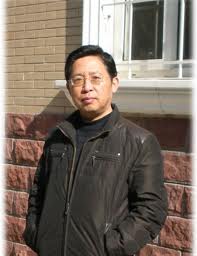
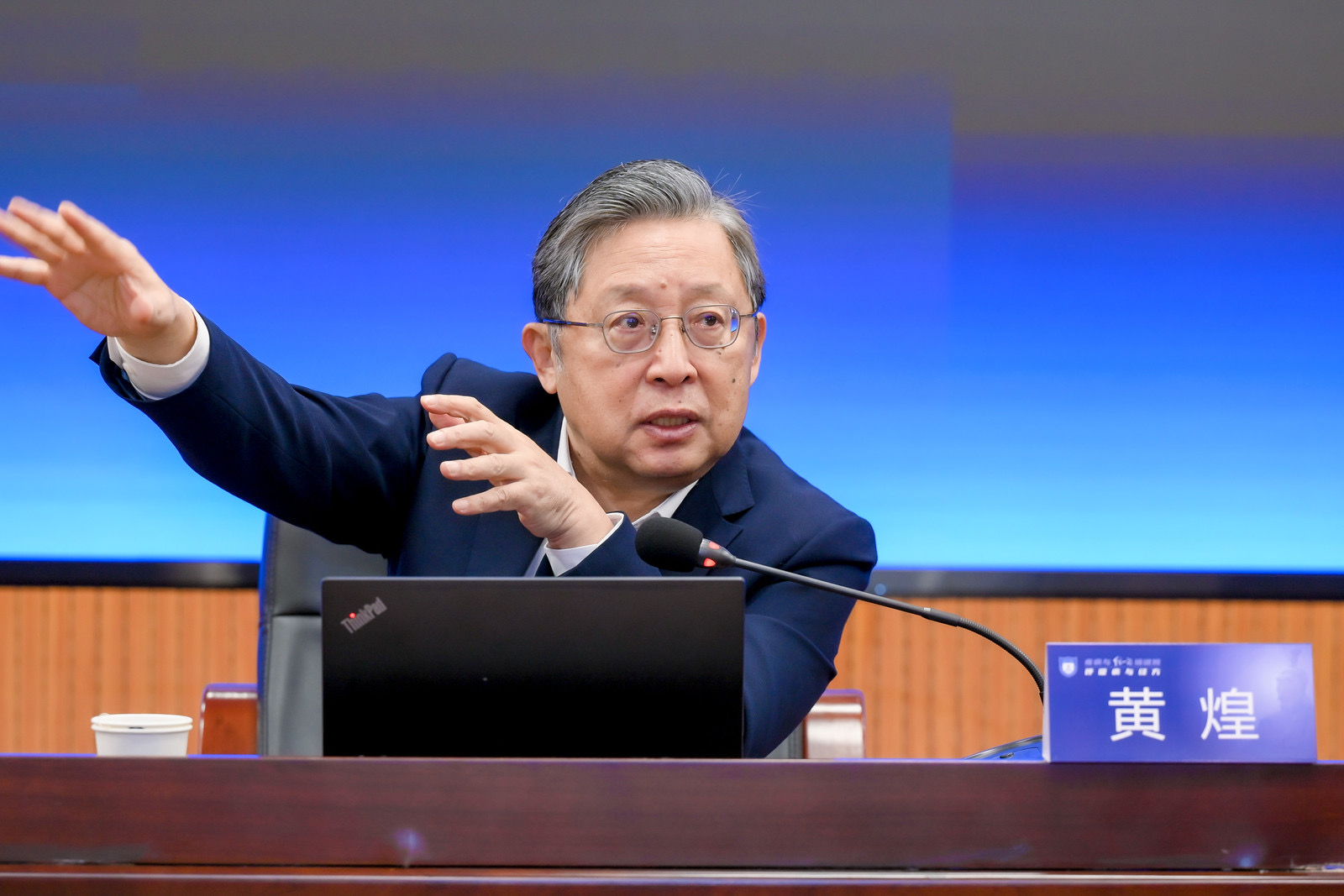
Professor Huáng Huáng Case Studies

Case of Obstructive Jaundice

The patient is a 68-year-old male, 165 cm tall, and weighs 61 kg. Initial consultation on August 19, 2019.

Medical History: Hepatic sinusoidal obstruction syndrome, cirrhosis, portal hypertension, splenomegaly. In July of this year, he underwent a transjugular intrahepatic portosystemic shunt (TIPS) procedure, which improved ascites, but his bilirubin levels continued to rise.

Examination (August 9, 2019): Total bilirubin 216.3 μmol/L, direct bilirubin 195.5 μmol/L, indirect bilirubin 20.8 μmol/L. The patient reported poor mental state, fatigue, moderate appetite, urinating 2 liters per day, yellow urine, poor taste, and swollen feet after walking a lot. He did not experience obvious thirst. His past medical history includes hypertension, chronic bronchitis, and emphysema.

Physical Examination: The patient appeared fatigued, spoke slowly, had yellow-orange skin, yellow sclera, a soft abdomen without resistance, a thick yellow tongue coating with a red tongue, and mild edema in the lower limbs.

Prescription:

  1. Yīnchénhāo 50g, guìzhī 15g, báizhú 30g, fúlíng 30g, zéxiè 30g, zhūlíng 30g, 10 doses.
  2. Yīnchénhāo 30g, zhīzǐ  15g, zhì dàhuáng 5g, 10 doses.

These two prescriptions were alternated every other day.

Follow-up (September 23, 2019): After treatment, his taste sensation improved, and bilirubin levels decreased. A lab check on September 22, 2019, showed total bilirubin at 88.9 μmol/L and direct bilirubin at 76.5 μmol/L.

Note: The two formulas used in this case are both classical formulas for reducing jaundice. Yīnchénhāo Tāng is effective for bright-colored jaundice, while Yīnchén Wǔ Líng Sǎn is used for jaundice accompanied by ascites and edema. The method of alternating the two formulas was adopted out of respect for ancient usage in classical formulas. According to the Shānghán lùn and Jīnguì yàolüè, no formula combines zhīzǐ with báizhú, fúlíng, and guìzhī, nor does it combine dàhuáng with báizhú. Therefore, mixing them into one formula and decocting together might not be appropriate. To be cautious, they were decocted and taken separately.

Case of Rectal Cancer

Ms. Jin, a 36-year-old woman, measuring 150 cm in height and weighing 44 kg, was first seen on April 11, 2018. She had been diagnosed with rectal cancer for seven months and had not undergone surgery. She had received eight rounds of chemotherapy and 25 sessions of radiotherapy. A CT scan from March 9, 2018, showed that the rectal cancer, located about 8 cm from the anus, had shrunk compared to previous scans, while the small retroperitoneal lymph nodes remained unchanged.

At the time of consultation, she experienced dull abdominal pain, bloating after eating, and abdominal distension before defecation. Her bowel movements were sticky and adhered to the toilet bowl, occurring once or twice per day, with difficulty passing stool smoothly. She also reported a sensation of body heat, poor sleep, and frequent dreaming.

On physical examination, she appeared thin, with bright and alert eyes. Her skin was yellowish-black but had an oily sheen, and there were pigmentation spots on her face. Her tongue was thin with a yellow, greasy coating, and the sublingual veins were engorged. Although there was no tenderness in the abdomen, it felt hot to the touch. Her navel temperature was 38.9°C, while her forehead temperature was 37.1°C. Her pulse was slippery and rapid at 120 beats per minute.

She was prescribed a formula consisting of bàitóuwēng 10g, huánglián 5g, huángbǎi 10g, qínpí 10g, huángqín 15g, báisháo 15g, gāncǎo 10g, and hóngzǎo 30g, to be taken in 15 doses.

At her follow-up visit on May 8, 2018, she reported that the abdominal pain had disappeared after taking the medicine. Her complexion had become fairer and more radiant. Sticky stool, excessive hunger, and night sweats had resolved, and the heat in her palms and soles had decreased. She felt comfortable overall, and her navel temperature had dropped to 36.6°C. The same formula was prescribed for another 15 doses, to be taken every other day.

At her third consultation on May 15, 2018, a test report from May 11 confirmed that the tumor was no longer present. Her stool had returned to normal in consistency and color, her navel temperature was 37.8°C, and her appetite was good with no significant discomfort. The same prescription was continued for another 15 doses.

This case was treated with a combination of Bàitóuwēng tāng and Huángqín Tāng, two classical formulas used to stop dysentery. These formulas are effective for conditions such as cervical cancer, rectal cancer, colon cancer, prostate cancer, and bladder cancer in patients presenting with symptoms such as foul-smelling, sticky, and incomplete bowel movements with tenesmus, anal heaviness, and a burning sensation, or with foul-smelling vaginal discharge or thick uterine bleeding.

This formula, being bitter and cold in nature, is particularly suited for individuals with a heat-type constitution. Such patients often have red lips that appear as if they are wearing lipstick, a red tongue with prickles, an irritable temperament, a sensation of heat in the body and limbs, a burning sensation on the skin, and an abdomen that feels hot to the touch, with an especially high temperature at the navel.

The presence of internal heat is a key indication for huángqín. The Jīnguì yàolüè describes Sān Wù Huángqín Tāng as treating postpartum women who develop heat and agitation in the limbs due to exposure to wind. The Qifang Leibian records that boiling huángqín in a decoction can treat extreme summer heat symptoms, where the head feels swollen like a large bucket and the body burns like fire. The elevated navel temperature mentioned in this case also warrants further study, as the Leizheng Huoren Shu states that in cases of concurrent heat diarrhea, the area below the navel is always warm.
Case Studies of Yè Bǐngrén 叶秉仁

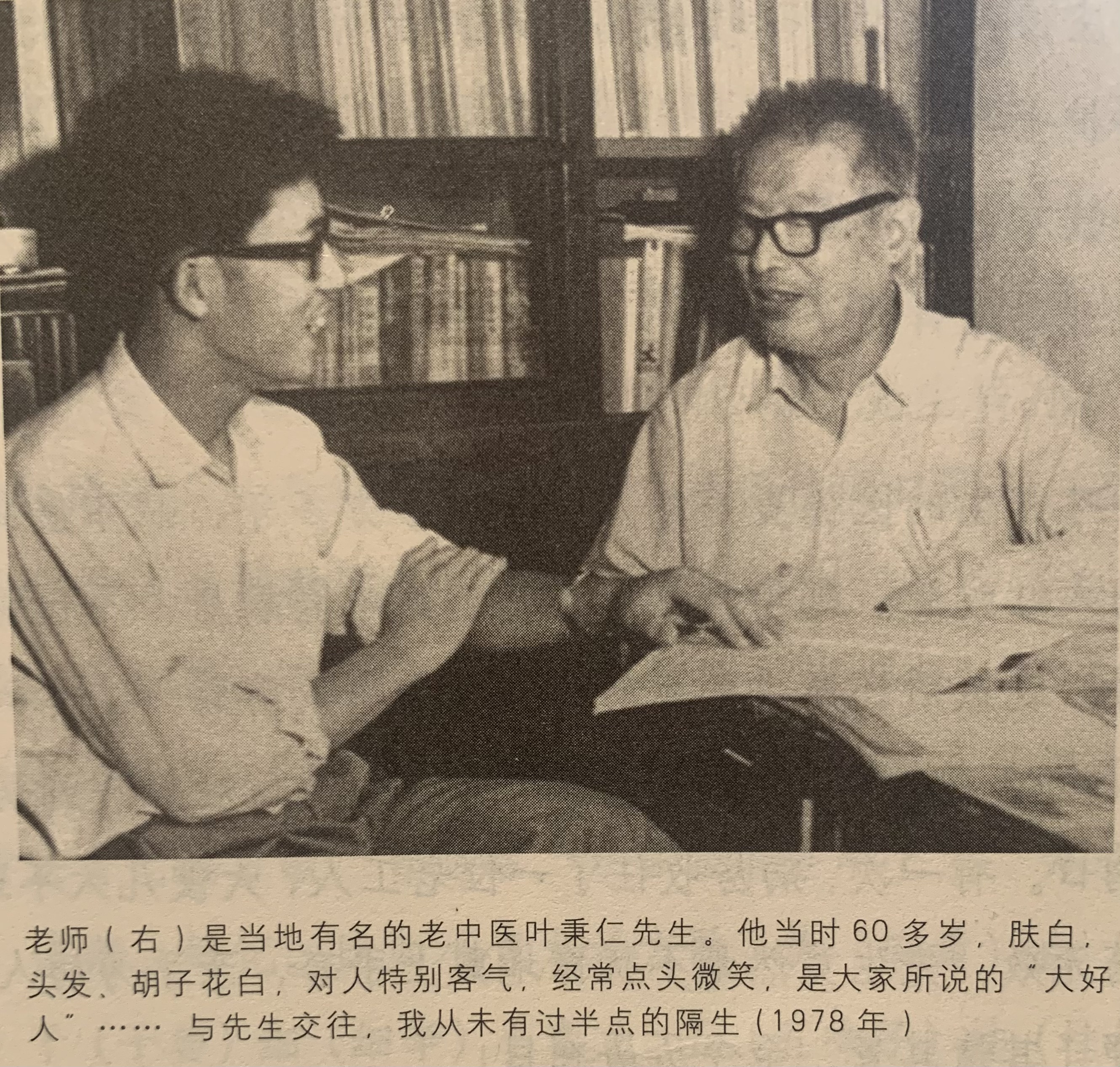
Ye Bingren (1908–1994), originally named Ye Bingcheng, was a native of Huashi, Jiangyin, Jiangsu Province, and was recognized as one of Jiangsu’s first distinguished Chinese medicine practitioners. 

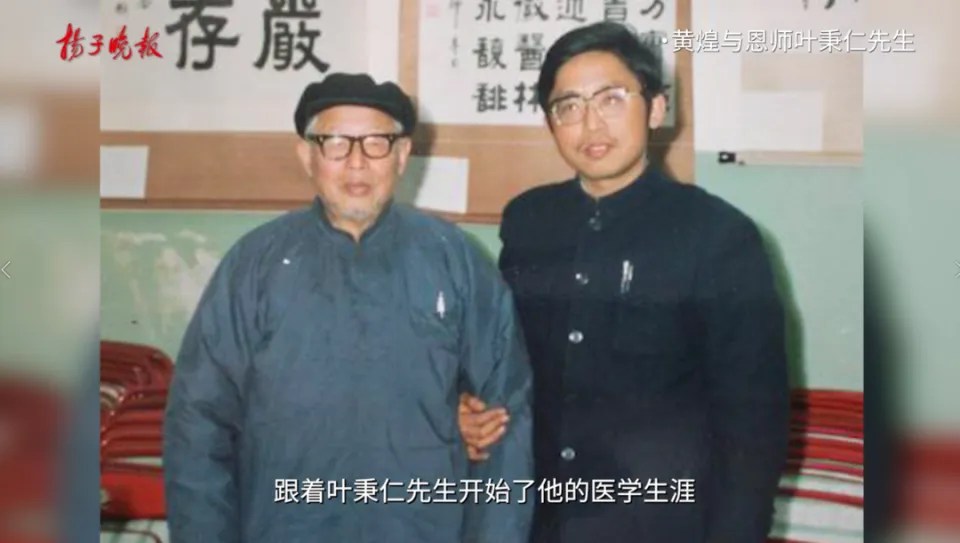
Ye devoted his life to clinical exploration in integrated Chinese and Western medicine and was recognized as a pioneer of this approach in Jiangyin’s Chinese medicine community. Ye Bingren was my teacher Professor Huang Huang’s first mentor in his own medical studies, and from 1973 onward, Professor Huang followed him at the Jiangyin Traditional Chinese Medicine Hospital, studying both Chinese and Western internal medicine for over six years.

Ye excelled in integrating Chinese and Western medicine, particularly in treating severe and critical conditions, and had extensive clinical experience in this field. He did not rigidly adhere to any single school or doctrine, skillfully utilizing classical formulas (jingfang), contemporary prescriptions, folk remedies, and herbal medicine. However, in Huang Huang’s view, his application of classical formulas was particularly distinctive. Practicing medicine for nearly 60 years, he saved countless lives using both Chinese and Western medical methods. He was one of the few senior Chinese medicine practitioners capable of handling emergency cases, outpatient consultations, and inpatient care.

The book Ye Bingren’s Medical Theories and Case Studies compiles and organizes his clinical experience, providing valuable insights for practitioners.

Case #1: A Malaria Case (Ye Bingren)

In the autumn of 1941, in Gongjia Alley, Huashi, Gong, who had recently married, suddenly developed chills followed by high fever and severe headaches, as if his head were splitting. After sweating, the fever subsided slightly, but the attacks recurred multiple times a day. On the fourth day, he fell into a coma. His relatives and father-in-law, who were knowledgeable in medicine, consulted renowned local physicians, all of whom diagnosed the condition as summer-heat disease, but their treatments yielded no improvement.

One evening, as the sun was setting, I was invited to examine him. I arrived to find his family gathered in panic. The patient was unconscious, but his pupils showed no abnormalities. His tongue was pale, indicating deficiency of qi and blood. His abdomen was full but not tender upon pressure, and a palpable mass was evident beneath his left ribs. Having treated similar cases successfully before, I determined that the condition was not beyond cure. The previous physicians had mistakenly attributed the illness to the six climatic factors, failing to recognize it as malarial toxin.

I prescribed a modified combination of Xiao Chai Hu Tang and Da Yuan Yin, adding Shi Chang Pu and Yu Jin. After four doses, the fever reduced, and his consciousness gradually returned. Upon the next consultation, his tongue coating was thick and turbid, and he passed foul gas, indicating a Shaoyang-Yangming combination disorder. I then prescribed Da Chai Hu Tang to purge the intestines and clear heat. After completing the prescription, his bowels moved, the fever subsided, and he recovered.

(Ye Bingren’s Medical Theories and Cases)

Commentary:
The term “pattern” (zheng) in pattern-based formulas refers to the clinical evidence used to select a formula. Disease names are crucial diagnostic evidence. The key to success in this case was the clear diagnosis of malaria, leading to the effective use of Xiao Chai Hu Tang combined with Da Yuan Yin. Classical texts describe Xiao Chai Hu Tang as treating “alternating chills and fever” that “stop and start periodically,” which aligns with malaria’s cyclic chills, fever, and sweating. The symptom “fullness in the chest and rib-sides“ also corresponds to splenomegaly and hepatomegaly seen in malaria. Later generations of physicians frequently used Xiao Chai Hu Tang for malaria.

As for Da Yuan Yin, it originates from the Wen Yi Lun (Treatise on Epidemic Diseases) and is essentially a modified version of Huang Qin Tang, serving as a fundamental formula for febrile diseases. The combination of these two formulas effectively clears heat and expels pathogens, leading to the patient’s rapid recovery.

***********************************************************************

Case #2: Persistent Dysentery Due to Yang Deficiency with Lingering Toxins (By Ye Bingren)

Patient: Hu, male, 6 years old.
Year: 1942, late summer to early autumn.

The child had been suffering from dysentery for several months, with little improvement despite various treatments. By the time he sought my care, he was severely emaciated, his eyes lacked vitality, and he was passing bloody and mucus-filled stools with abdominal pain. Additionally, rectal prolapse was observed.

Upon examination, his hands and feet were cold, his pulse was deep and thin, and his tongue was pale red with a glossy, peeled coating at the front and mixed yellow-white coating at the root. This indicated a condition of yang deficiency with lingering toxins, involving both deficiency and excess.

Treatment:

The approach required both warming and clearing therapies, so I prescribed a modified version of Baitouweng Tang from the Bei Ji Qian Jin Yao Fang, removing Houpo and Longgu.

Prescription:

  • Baitouweng 10g
  • Qinpi 10g
  • Huangbai 6g
  • Huanglian 3g
  • Ganjiang 2g
  • Danggui 10g
  • Zhigancao 3g
  • A small amount of Japonica Rice
  • Ejiao 10g
  • Chishizhi 20g
  • Danfu Pian 6g
  • Fuling 12g
  • Hongzao 4 pieces

Outcome:
After three doses, the child’s body temperature normalized, pulse became stronger, and rectal prolapse resolved. Another three doses stopped the dysentery completely, and his appetite greatly improved. With further dietary adjustments, he made a full recovery. (From Ye Bingren’s Medical Theory and Cases.)

Commentary:

This case involves a complex pattern of pathogenic heat entering the jueyin and shaoyin conformations, causing dysentery with cold extremities and yang deficiency.

  • Heat toxin damaging the lower burner’s blood level → bloody mucus stools
  • Jueyin qi rebellion → abdominal pain
  • Shaoyin cold transformation → fatigue, cold limbs, deep thin pulse

Because the condition involved both heat and cold, excess and deficiency, neither pure warming nor pure clearing methods would have been effective. Instead, a balanced formula combining warming, clearing, tonifying, and astringing herbs was used.

Therefore, I prescribed Bai Tou Weng Tang from the Bei Ji Qian Jin Yao Fang as it was quite suitable. This formula is derived from the Shang Han Lun’s Bai Tou Weng Tang, Si Ni Tang, and Huai Hua Tang, combined with Zhu Che Wan from the Bei Ji Qian Jin Yao Fang, and modified with Hou Po and Sheng Long Gu. The purpose of this combination is to use Bai Tou Weng to clear and expel the heat toxin from the intestines, Si Ni Tang to restore yang and rescue from reversal, Dang Gui and E Jiao to nourish yin and blood, and Huai Hua Tang to astringe and consolidate. By using both warming and clearing herbs together, addressing both deficiency and excess, the treatment achieves rapid results. This method reflects the effective practices learned from the experiences of later practitioners.

Cinnamon Twig Decoction (guì zhī tāng)

The following is a very small snippet of the common cold/influenza section from our translation of Professor Huáng Huáng’s latest book, which will be published and released in January 2024 by Eastland Press. I am so honoured to have been a part of the translation team for this beautiful book alongside Daniel Eng and Craig Mitchell. Hope you enjoy.

Indications: Used for deficient patients who have come down with the common cold. This formula is commonly used for common colds in patients who have had major illnesses, surgery, chemotherapy, excessive medications, are menstruating or are postpartum, have congenital weaknesses, are debilitated, elderly, or are frequently ill. It has been observed in clinical practice that many of these patients do not present with obvious fevers, but instead with fear of cold, weakness, a runny nose with clear mucus, and a pale and dark tongue; These patients commonly experience spontaneous sweating, an aversion to drafts, fever or a subjective sensation of being hot, a feeling of upward surging, palpitations, and a floating, weak and slack pulse.

Important Issues: After taking the formula, one should drink hot congee. The congee can be made of millet or rice, which should be cooked over a gentle heat until the grain has broken down completely. The second important issue is that drafts and cold should be avoided, and ideally one should cover up until a sweat has been obtained. The third is that the patient should be advised to consume light and bland food and drink in order to avoid any extra burden on the digestive system.

Usage And Modifications:

1. This is an ancient formula used for strengthening and fatigue recovery. It is applicable for diseases with signs and symptoms of palpitations, abdominal pain, spontaneous sweating, emaciation, a weak pulse, etc. It can also adjust and regulate a weak and deficient constitution. It is unsuitable for overweight patients or those with edema.

2. Modifications:

• For fatigue, profuse sweating, and cold and painful joints, add Aconiti Radix lateralis praeparata (zhì fù zǐ) 10g.

• For profuse sweating and a sallow complexion, add Astragali Radix (huáng qí) 15g.

With emaciation and a poor appetite, add Codonopsis Radix (dǎng shēn) 15g

With stiffness and pain in the nape and back, dizziness and headache, add Puerariae Radix (gé gēn) 30g.

Representative Case History:

Fifty-four-year-old female, 156cm/64kg.

Initial consultation on September 27, 2014.

History: Sinusitis for over 20 years, with a weekly tendency to catch a cold. With these colds she would experience headaches, frequent sneezing, an aversion to drafts, and sweating from the head. She would also be hungry easily, crave sweet foods, and have a difficult time falling asleep.

Signs: dark, red complexion; dark and dull lips; dark, red tongue; a thick tongue coating; and a moderate pulse, at 72 beats per minute.

Prescription: Cinnamomi Ramulus (guì zhī) 10g, Cinnamomi Cortex (ròu guì) 5g, Paeoniae Radix alba (bái sháo) 15g, Zingiberis Rhizoma (gān jiāng) 5g, Jujubae Fructus (dà zǎo) 30g, Glycyrrhizae Radix (gān cǎo) 10g, Astragali Radix (huáng qí) 30g; 10 packets; 5 days on and 2 days off.

Second consultation on October 7, 2014: After taking the formula, she did not sneeze, and had not contracted a common cold in 7 days. Her appetite and sleep were improved, yet she still woke easily. She continued with another 15 packets of the same formula, one packet taken every other day.

Fú Líng Yǐn (Poria Drink) 茯苓饮

Today, I am eager to share some insights and offer a comprehensive overview of a formula that often goes overlooked but possesses remarkable effectiveness. Through the presentation of its original lines, patient characteristics, suitable conditions, and a case study, my aim is to illuminate the precise contexts, timing, and rationales behind the application of this formula.

治心胸中有停痰宿水,自吐出水後,心胸間虛,氣滿不能食,消痰氣,令能食。
A treatment for collected phlegm and abiding water in the heart and chest with a vacuity of the
heart and chest, fullness of qi, and an inability to eat following the spontaneous vomiting of water.
[This formula] disperses phlegm-qi, and enables one to eat.

Jingui Yaolue 12

Composition:

Fu Ling 3 liang
Ren Shen 3 liang
Bai Zhu 3 liang
Zhi Shi 2 liang
Ju Pi 2.5 liang
Sheng Jiang 4 liang

Formula Presentation:

  • Stifling sensation in the chest
  • Abdominal distention
  • Vomiting of watery mucus
  • The sound of splashing water in the stomach
  • Poor appetite.

Patient Characteristics:

Emaciation: gaunt appearance, a pale and sallow complexion that lacks luster, dusky pale lips and tongue or a slight degree of superficial facial edema.

Digestive upset: lack of appetite, a loss of hunger sensation or abdominal fullness and discomfort after eating, frequent belching, a bitter taste in the mouth, vomiting of fluids, acid reflux, and heartburn. The tongue coating will be thick and could also be white and/or greasy.

Stoppage of fluids in the stomach: a soft abdominal wall that lacks resistance or one that although tight has a sense of nothing underneath; this is most often observed along with splash sounds in the stomach and accumulations of qi in the upper abdomen.

Suitable Conditions

Digestive diseases including gastric diseases such as gastric prolapse, gastric atony, chronic gastritis, peptic ulcers, gastric injury from NSAIDs, and anorexia; intestinal diseases such as pediatric diarrhea, irritable bowel syndrome, habitual constipation; chronic pancreatitis, and post-operative abdominal pain.

Other disorders including cardiac insufficiency, breast lobular hyperplasia, fibroadenomas of the breast, uterine prolapse, hypotension, motion sickness, eczema, and chilblains.

Commentary by Huang Huang

Great formula for gastric motility and is able to speed up gastric emptying and eliminate fluids retained in the stomach. In this way it restores the appetite. Patients are usually thin and weak with flat abdomens, abdominal walls that lack elasticity, and prominent splash sounds in the stomach. If these weak patients are mistakenly given enriching and tonifying substances, it can result in ascending fire with them feeling upset, irritable, and restless.

Patients typically experience abdominal distention right after eating and complain of a strong sense of pressure in the chest and abdomen that is slightly relieved by belching. They will vomit up fluids or froth and do not feel hungry. This discomfort in the stomach often leads them to be depressed and anxious and have insomnia, palpitations, lightheadedness, and headache. This can be accompanied by a bitter taste in the mouth and a sense of something being stuck in the throat.

While these patients have a rather thick tongue coating, the tongue body itself is not necessarily swollen and may in fact be thin and small. Usually it tends to be dusky.

Dr. Huang usually increases the dosages of zhǐ shí and chén pí up to 30g each.

Case Study

Li, 39-year-old female, 160cm/48kg.

Initial consultation on January 6, 2017.

History: Two years ago, after giving birth, the patient suffered from depression that manifested as a stifling sensation in the chest, fluttering in the chest, irritability and uneasiness, and a poor appetite. Recently she had experienced epigastric distention and pain that was more pronounced after eating, with occasional acid reflux. Her stools were typically loose, and she was frequently dizzy, had a hard time falling asleep and occasionally had difficulty getting to sleep throughout the night. In addition, she had vitreous opacity and dry eye disease.

Signs: Thin build, sallow complexion with dark spots, splash sounds in the stomach, periumbilical pulsations, red inner eyelids (checked by drawing down the lower lid), a thick-greasy tongue coating, and a weak pulse, which was forceless hardon heavy pressure. Her blood pressure tended to be low.

Prescription: fú líng 40g dǎng shēn 15g, bái zhú 20g, zhǐ ké 20g, chén pí 20g, gān jiāng 5g, guì zhī 15g, zhì gān cǎo) 5g; 10 packets.

Second consultation on February 14, 2017: After taking the formula, her abdominal distention was reduced and her sleep improved. Her tongue coating was still thin, and her facial spots were less dark. The same formula was given, to be taken every other day.

On Gé Gēn 葛根

Gé Gēn (Radix Puerariae)

《神农本草经》: 味⽢,平。主消渴,⾝⼤热,呕吐,诸痹,起阴⽓,解诸毒。
[Shén Nóng Běn Cǎo Jīng]: Sweet flavour, and neutral Qi. Governs dispersion thirst, major body heat, vomiting, and various kinds of impediment. It raises the Yīn Qì and resolves all toxins.

《名医别录》:⽆毒。主治伤寒中风头痛,解肌发表出汗,开腠理,疗⾦疮,⽌痛,肋风痛。
[Míng Yī Bié Lù (Táo Hǒngjǐng – 456-536)]: “[It] has no toxicity. It governs the treatment of cold damage and wind strike headache; [it] releases the muscles, effuses the surface and promotes sweating; [it] opens the interstices, heals metal sores, stops pain and [treats] subcostal wind pain.”

东垣云:葛根⽢平温,世⼈初病太阳证,便服葛根升⿇汤,⾮也.
Lǐ Dōngyuán (1180-1251) said: “Gé Gēn is sweet, neutral and warm; common people, at the onset of a taiyang disease pattern, give Gegen Shengma Tang, this is incorrect.”

好古⽈:⽓平味⽢,升也,阳也。阳明经⾏经的药也。
(Wáng) Hǎogǔ (1200-1264) said: “It’s qi is neutral and flavour sweet, [for it] ascends, and is yang. Gé Gēn is a medicinal which moves the Yangming channel.”

Zhāng Zhìcōng (1616-1674): “sweet and acrid, white when powdered, therefore enters Yangming; the skin is black and flower red, and so unites with Taiyang. Therefore, Gé Gēn is able to diffuse and outthrust the qi of yangming center earth, and unite the taiyang channel on the exterior.”

《本草备要》:轻宣解肌,升阳散⽕。
[Essentials of the Materia Medica (Wáng Āng 1664)]: “[Gé Gēn] Lightly effuses and resolves the muscles, ascends yang, and scatters fire.”

(唐宗海 : “根深能引⽔⽓上达苗叶,故兼能升津液也.”
Táng Zōnghǎi (1846-1897): “[The] Deep roots [of Gé Gēn] are able to carry water qi upwards into the sprouts and leaves, [and is] therefore able to ascend fluids.”

According to Professor Huáng Huáng, patients that respond well to Gé Gēn formulas have the following characteristics.

  • Big, strong patients with thick, strong muscles
  • Slightly overweight
  • Heavy, cumbersome bodies
  • Coarse, thick skin
  • Hairy
  • Lazy appearance
  • Sallow, dark complexion

These patients have the following propensities:

  • Stiff neck and back due to tight muscles (tension in traps, levator scapula, sub-occipitals, etc.)
  • Headaches (Taiyang – Yangming)
  • Heavy Head (cloudy, foggy, etc.)
  • Dizziness
  • Loose Stools
  • Heavy and Cumbersome body

To learn more about Ge Gen and its various formulas, click here to check out my Gé Gēn class

A Cháihú jiā lónggǔ mǔlì tāng case – Huáng Huáng

Wang, 58-year-old male, 186cm/64kg. 

Initial consultation on June 11, 2019. 

History: Patient had a history of stomach disease for over 30 years, accompanied by an inability to eat much food, stomach distention following meals, poor appetite, no desire to eat, coldness in the lower abdomen, a fear of cold, constipation, difficulty falling asleep, and a shallow, dream-disturbed sleep.  

Lab results: Gastroscopy on May 2, 2019, which revealed intermediate chronic atrophic gastritis with intestinal metaplasia in the lesser curvature of the gastric antrum and mild chronic atrophic gastritis with intestinal metaplasia in the greater curvature of the gastric antrum.  

Signs: Sallow complexion, distinct abdominal pulsations, a long face, indifferent expression, slightly thin build, red tip of the nose, and a thin-slippery pulse. 

Prescription:

Bupleuri Radix (chái hú) 15g, Scutellariae Radix (huáng qín) 10g, ginger-fried Pinelliae Rhizoma praeparatum (jiāng bàn xià) 10g, Codonopsis Radix (dǎng shēn) 15g, Cinnamomi Ramulus (guì zhī) 10g, Poria (fú líng) 15g, prepared Rhei Radix et Rhizoma (zhì dà huáng) 5g, Fossilia Ossis Mastodi (lóng gǔ) 15g, Ostreae Concha (mǔ lì) 15g, Zingiberis Rhizoma (gān jiāng) 5g, Jujubae Fructus (dà zǎo) 20g; 10 packets, 1 packet for 2 days. Taken right before bed. 

Second consultation on July 2, 2019: Patient now had a desire to eat, daily bowel movements, and decreased coldness in his lower abdomen. If he overate then he experienced abdominal distention, still had a fear of cold, woke easily due to a dream-disturbed sleep, and was fatigued. 

Prescription 1: Same formula; 1 packet to be taken over 2 days. 

Prescription 2: Bupleuri Radix (chái hú) 15g, Paeoniae Radix alba (bái sháo) 15g, Aurantii Fructus (zhǐ ké) 15g, Glycyrrhizae Radix (gān cǎo) 5g, dried Lilii Bulbus (bǎi hé gān) 30g; 10 packets of each, to be taken on an alternating basis. 

What is a Formula Presentation 方证?

The formula presentation is a theoretical model of herbal formula application that lies between the herbs and formulas on one hand, and the disease pattern on the other. It is the arrow aiming for the target in relation to disease treatment. The formula presentation is the guiding principle behind how a formula is selected. ‘Zheng’(证) refers to evidence, proof, results or efficacy (证验), and also symptoms (症状). Therefore, when all these definitions are taken together, the formula presentation refers to a formula’s key presentation, or instance where a formula displays its main efficacy or results.

Currently in China, many consider the earliest recording of this concept to be found in the Wu Shi Er Bing Fang (五十二病方, Prescriptions for Fifty-Two Diseases), yet many scholars believe that it wasn’t until Zhang Zhongjing’s (张仲景) writings that the concept really took hold, only to be further developed by later generations of physicians. The idea of a formula correspondence (方证相应) is seen in the postscript for line 317 of the Shang Han Lun (伤寒论, Treatise on Cold Damage) which states:

[Only when] the disease corresponds to the formula [can the formula] be taken.

病皆与方相应者,乃服之。

This line offers the most succinct explanation and definition of a formula presentation and implies that all diseases have a corresponding formula, a ‘formula presentation.’ The Shang Han Lun also refers to specific ‘herb presentations’ (药证) such as a ‘Chai Hu (Bupleuri Radix) presentation’ (柴胡证), or a ‘Gui Zhi (Cinnamomi Ramulus) presentation’ (桂枝证). In addition, line 16 of the Shang Han Lun states: 

Observe the pulse and signs, know what error [you] have committed, [and then] treat according to the signs. 

观其的脉证,知犯何逆,随证治之。

The Shang Han Za Bing Lun (伤寒杂病论, Treatise on Cold Damage and Miscellaneous Diseases) was arguably the first text to suggest not just the concept of a formula presentation, but also the principle that became known as ‘determining treatment by patterns identified’ (辨证论治), which lays importance on not just simply knowing which formula treats specific signs, but also on having a clear understanding of the underlying pathomechanism involved. Once the pattern is clearly understood, the choice of the correct formula can be made. According to Professor Huang Huang (黄煌教授), once a formula presentation is clearly identified, not only will the formula be safe to use, but the treatment will also be effective. Following Zhang Zhongjing, physicians such as Sun Simiao (孙思邈), Zhu Gong (朱肱), Xu Lingtai (徐灵胎), Ke Qin (柯琴) and Yu Jiayan (喻嘉言) were highly influential in the ‘school of formula types’ (方类证派), adhering to the concept of ‘formula presentations with similar clauses’ (方证同条).  Song dynasty Zhu Gong referred to a formula presentation simply as a ‘herb presentation.’ The Japanese physician Todo Yoshimasu (吉益东洞) was a strict adherent to the model laid out by Zhang Zhongjing, and was a major contributor to the Japanese Classical Formula School (日本古方派). Although many of these physicians adhered to the formula presentation model, there are some differences in their overall approach and in the method with which they arrived at the presentation. For example, Ke Qin wrote: “Patterns are differentiated from the conformations, therefore the pattern is named after the formula” (证从经分,以方名证), referring to the six conformations (六经), while Xu Lingtai wrote: “In order to [determine] the formula presentation type, [one must] not differentiate according to the conformations” (以方类证,方不分经). While both used the formula presentation model as their method to choose a formula, Ke Qin recorded signs and symptoms exactly as they appear in the Shang Han Lun’s six conformations, while Xu Lingtai worked with general signs and symptoms.  Essentially, a formula presentation is experience: the experienced usage of herbs and formulas over thousands of years. 

Huáng Huáng’s Use of Guì Zhī Fú Líng Wán in Respiratory Conditions

Cinnamon Twig and Poria Pill (guì zhī fú líng wán)

Indications: Bronchial asthma, chronic obstructive pulmonary disease (COPD), pulmonary arterial hypertension, pleurisy, pleural effusion, interstitial pneumonia, pulmonary fibrosis, and recurrent pulmonary infections typically manifesting with a dark-red complexion, a stifling sensation and pain in the chest, purple lips and a dark tongue. This formula has a blood invigorating, stasis transforming effect, which can improve the blood supply of the heart and lungs.

Usage & Modifications:

1. Patients for whom this formula is suitable tend to have a red or purple-red complexion, abdominal fullness, resistance to pressure in the lower left abdomen with possible tenderness, headaches, dizziness, insomnia, irritability, restlessness, stirring palpitations, and a dark tongue body with possible purple spots.

2. For patients that experience diarrhea after taking the formula, have them take in after meals or decrease the dosage.

3. Use with caution in pregnancy.

4. Modifications:

  • If there is a stifling sensation and pain in the chest, a chronic cough, and a wan and sallow complexion, add Angelicae sinensis Radix (dāng guī) 15g, Chuanxiong Rhizoma (chuān xiōng) 15g, and Salviae miltiorrhizae Radix (dān shēn) 15g
  • If there is a stifling sensation in the chest, abdominal distention, and an oily complexion, add Citri reticulatae Pericarpium (chén pí) 20g, Aurantii Fructus (zhǐ ké) 20g, and Zingiberis Rhizoma recens (shēng jiāng) 20g
  • If there is a stifling sensation in the chest  and constipation, add Aurantii Fructus (zhǐ ké) 20g, Allii macrostemi Bulbus (xiè bái) 20g, and Trichosanthis Fructus (quán guā lóu) 30g.

Representative Case History:

Yu, 74-year-old male, 160cm/70kg.

Initial consultation on June 5, 2018

Chief complaint: Recurrent cough and wheezing for 9 years, with dyspnea, an inability to climb stairs quickly, and abdominal distention following meals.

History: In April 2018 during a hospital visit, he was diagnosed with an acute exacerbation of chronic obstructive pulmonary disease (COPD), arrhythmia, atrial fibrillation, cardiac insufficiency, heart valve disease, and a fatty liver.

Signs: average build, dark, red and oily complexion, obvious bags under the eyes, purple-dark lips and tongue, stasis marks under the tongue, abdominal fullness, and resistance to pressure in the lower costal arch (flanks).

Prescription: Cinnamomi Ramulus (guì zhī) 10g, Cinnamomi Cortex (ròu guì) 10g, Poria (fú líng) 20g, Paeoniae Radix rubra (chì sháo) 20g, Moutan Cortex (mǔ dān pí) 15g, Persicae Semen (táo rén) 15g, Angelicae sinensis Radix (dāng guī) 15g, Chuanxiong Rhizoma (chuān xiōng) 15g, Salviae miltiorrhizae Radix (dān shēn) 15g, Aurantii Fructus (zhǐ ké) 30g, Citri reticulatae Pericarpium (chén pí) 30g, Zingiberis Rhizoma (gān jiāng) 10g; 15 packets.

Second consultation on June 25, 2018: After taking the herbs, his breathing was smooth and easy, however cough and wheezing were still present, but he was still able to play mah-jong. The same formula was continued.

Third consultation on August 20, 2018: No labored breathing when walking and he was able to climb 3 floors. The stasis marks under his tongue had improved.

Huáng Huáng – A Bàn Xià Hòu Pò Tāng Case

Huang, 65-year-old male, 171cm/75kg. 

Initial consultation on January 29, 2019.

History: Superficial gastritis with ulceration for over 10 years. Patient reported that he often experienced abdominal pain after taking western medications as well as abdominal discomfort after eating fruit. He felt a sticky sensation in his umbilicus, and also experienced abdominal distention, belching, poor appetite, difficulty falling asleep, and had no issues with his bowel movements. He was worried that his digestive disease will develop into cancer, and therefore, his mood was quite poor. 

Signs: Robust build, double eyelids, frowning eyebrows, lively facial expressions, a red face, and dusky red lips. In addition, he procrastinated when he spoke. His abdomen was soft, there were purple stasis marks below his tongue, his throat was red, tongue coating slightly greasy, and his pulse was slippery. 

Prescription: jiangbanxia 15g, houpo 15g, fuling 15g, sugeng 15g, zhike 15g, zhizi 15g, lianqiao 30g, huangqin 10g; 9 packets; 3 days on, 2 days off. 

Second consultation on February 26, 2019: After taking the formula, his symptoms had improved. However, once stopping them, the symptoms returned, yet this time there was no abdominal pain, and only a feeling of discomfort, plus the location of the pain had now changed. He was also belching, had subcostal distention, and his sleep was reduced. 9 packets of the same formula with chenpi 20g was given; 3 days on, 2 days off. 

Huáng Lián assists sleep- A case by Huáng Huáng (黄煌)

One early morning last week as I had just turned on my cell phone, I received information about a patient from northern Jiāng Sū province that had suffered with insomnia. He had been here nine months previously for a formula and had taken seven packages. He recently returned, and after taking one package had completely recovered. This was quite remarkable!!


Now that he had finished his formula, he was asking how this was dealt with. 

He was a forty year old male that was suffering with severe insomnia which started last year in December. He found it difficult to sleep for the entire night, and had repeatedly taken western medications all to no avail. 

The formula he was given consisted of the following; 

Huáng Lián 5g, Ròu Guì 10g, Zhì Fù Zǐ 10g, Gān Jiāng 10g, Shēng Gān Cǎo 5g. 

This is Jiāo Tài Wán combined with Sì Nì Tāng. Now why would, these formulas be considered for this case? Let’s take a look at this patient. The man had a strong, robust physique; his skin was a dark color, he had no trouble eating, and his stools lacked shape. Now although he felt cold on the inside, he suffered from agitation and insomnia. This is what the ancients called ‘non-interaction of the heart and kidneys’, which is the ‘tried and true’ Jiāo Tài Wán formula pattern. Sì Nì Tāng harmonizes the body, and Huáng Lián and Ròu Guì treat the disease. 

Huáng Lián is beneficial for insomnia. The Huáng Lián in Huáng Lián Ē Jiāo Tāng is used to treat “vexation in the heart, with an inability to sleep”. Huáng Lián Tāng uses equal parts Huáng Lián and Ròu Guì along with (Rén) Shēn, (Bàn) Xià, (Shēng) Jiāng, (Dà) Zǎo, and (Gān) Cǎo to treat “heat in the chest, evil qi in the stomach, abdominal pain, and a desire to vomit”. The heat in the chest is commonly expressed as heart vexation with an inability to sleep. Jiāo Tài Wán only contains two medicinals, Huáng Lián and Ròu Guì and is originally from the Míng dynasties ‘Comprehensive Medicine According to Master Han’ (韩氏医通, Hán Shì Yī Tōng). The author Hán Fēi-Xiá said;


“brew numerous times, add honey, take on an empty stomach, and this will instantly bring forth the interaction between the heart and kidneys”.


Yú Tīng-Hóng (余听鸿) had written about a patient from Zhè Jiāng County that had suffered with an inability to sleep the entire night for many years. He had taken over two hundred spirit calming, blood nourishing formulas which offered him no relief. The famous Mèng Hé physician Mǎ Shěng-Sān (马省三) prescribed; 

Huáng Lián 8 fēn, Shān Zhī 3 qián, Zhū Dǎn Zhī 1 qián (mix fried), decocted. That night he slept soundly. 

In the past, I have given patients equal parts powdered Huáng Lián and Ròu Guì infused in boiling water, and taken prior to going to sleep. This has indeed helped with sleep difficulties. 

However, Huáng Lián is bitter and cold, and many people are unable to take it. Huáng Lián’s strength by itself is quite weak, and it is incapable of treating all stubborn cases of insomnia. Nevertheless, we always want to select the corresponding formula according to the body constitution. For example, with a red, oily facial complexion, heat vexation, headaches, and constipation, we can use Sān Huáng Xiè Xīn Tāng. With pale skin, red lips, red tongue, and heart vexation, me may use Huáng Lián Ē Jiāo Tāng. In a thin patient with dark lips, abdominal pain and insomnia, Huáng Lián Tāng may be used. With dry retching, epigastric focal distension, and mouth ulcers, we use Bàn Xià Xiè Xīn Tāng. With strong pain in the back and nape, diarrhea, chest oppression, vexation, palpitations, and insomnia, use Gé Gēn Qín Lián Tāng. 

Originally, because Huáng Lián and Ròu Guì were combined with Sì Nì Tāng, we know that it is applicable in cases of a cold body with a hot disease. This is commonly seen in strong, robust men with a yellowish-dark skin color, and insomnia. After taking these medicinals, not only will insomnia improve, but enduring cases of abdominal pain and diarrhea, can be ameliorated.