Liu Duzhou on Water Patterns [水证论] – Part 2

From ‘Essential Points on Clinical Patterns in the Shanghan Lun’. [刘渡舟-伤寒论临证指要]

水气病脉证并治

Water Qi Disease, Pulses, Patterns, and Treatment. 

[The following are lines found within the Jingui Yaolue Water Qi chapter] 

《金匮•水气病脉证篇》:“少阴脉,紧而沉,紧则为痛,沉则为水,小便即难。

“[When] the shaoyin pulse is tight and deep, tight signifies that there is pain, while deep signifies that there is water, [with] difficult urination.” [JGYL 14.9] 

脉得诸沉者,当责有水,身体肿重”。

“[When] all pulses are deep, this is the responsibility of water, and manifests with generalized swelling and heaviness.”  [JGYL 14.10] 

“跌阳脉当伏,今反紧,本自有寒疝瘕,腹中痛。医反下之,下之则胸满短气。

“The instep yang pulse should be hidden, but conversely now it is tight, this is because there is cold at the root with mounting conglomerations and abdominal pain. If a physician incorrectly purges, this will result in chest fullness and shortness of breath.” [JGYL 14.6] 

跌阳脉当伏,今反数,本自有热,消谷,小便数,今反不利,此欲作水”。

“The instep yang pulse should be hidden, but conversely now it is rapid, this is because there is heat at the root, causing dispersion of grain and frequent urination. If the urination is inhibited, this means water is soon to rise.”  [JGYL 14.7] 

“寸口脉弦而紧,弦则卫气不行,即恶寒,水不沾流,走于肠间”。

“[When] the cun kou pulse is wiry and tight, wiry signifies that the defensive [qi] is not moving, which manifests with aversion to cold, and water that does not moisten and flow, [but is] running into the intestines.”  [JGYL 14.9] 

又“夫水病人,目下有卧蚕,面目鲜泽,脉伏其人消渴,病水腹大,小便不利,其脉沉绝者,有水,可下之。

“A patient with water disease has sleeping silkworms below the eyes, a bright sheen in the face and eyes, a deep pulse, and dispersion thirst. [If] water disease manifests with an enlarged abdomen, inhibited urination, and a deep and expiring pulse, [this indicates] water, which can be purged.” [JGYL 14.11] 

又“水病脉出者死。” 

“In water disease, [when] the pulse bursts out, [the patient] will die.”  [JGYL 14.10] 

以上援引《金匮》对水肿病的脉诊、色诊、问诊以及预后不良之诊,对指导临床意义非凡。 水气病可分为四种类型:风水、皮水、正水、石水。至于五胜之水气,可列人正水,石水之范畴。 大肿精那实而正不虚的有三种洽疗友法,即发汗,利小便与攻下之法。这就是《内经》说的“开鬼门,洁净府”的治疗原则。

The above quotes from the “Jingui” regarding the pulse diagnosis, color diagnosis, questioning, and the prognosis of edema have extraordinary significance in guiding clinical practice. Water qi can be classified into four types: wind-water, skin-water, true-water, and stone-water. As for five viscera water qi, they fall into the categories of true-water and stone-water. There are three effective therapeutic methods for excess and non-deficient major swelling, namely sweat effusing, urination disinhibiting, and offensive purging. This corresponds to the treatment principle mentioned in the “Neijing” as “opening the ghost gate and cleansing the mansion.”

一、风水

风水由于风邪侵袭肌表,故脉来而浮;若卫气虚不能固表,则脉浮软而见汗出恶风之证;荣卫之行涩,水道不利,而水湿滞于分肉,则身重而懒于活动。

【治法】疏风益卫,健脾利湿

【方药】防己黄芪汤

防已一两,甘草半两(炙),白术七钱半,黄芪一两(去芦)

上倒麻豆大、每抄五钱匕、生姜四片、大枣一枚、水盏半、煎八分,去渣温服,良久再服。喘者加麻黄半两,胃中不和者加芍药三分,气上冲者加桂枝三分;下有陈寒者加细辛三分。服后当如虫行皮中,从腰下如冰,后坐被上,又以一被绕腰下,温令微汗,瘥。

I. Wind-Water

Wind-water occurs due to the invasion of wind pathogens in the fleshy exterior, resulting in a floating pulse. If defensive qi is deficient and cannot secure the exterior, the pulse becomes floating and soft, accompanied by symptoms such as sweating and aversion to wind. The circulation of nutrient and defensive qi becomes obstructed, leading to water stagnation in the muscles, causing heaviness and reluctance to move.

[Treatment Method] Course wind, boost the defensive [qi], strengthen the spleen, and disinhibit dampness.

[Prescription] Fangji Huangqi Tang

Fangji (1-2 liang), Gancao (half liang, roasted), Baizhu (seven and a half qian), Huangqi (1 liang, husked)

Cut the above [ingredients] to the size of hemp seeds. Scoop up five qian-spoonfuls per dose [and add this with] four slices of shengjiang and one dazao to a cup and-a-half of water. Boil this down to eight tenths and remove the dregs. Take warm and wait a while before taking more. For panting, use an additional half liang of mahuang. For disharmony in the stomach, add three fen of shaoyao. For upward surging qi, add three fen of guizhi. For old cold in the lower body, add three fen of xixin. After taking [the formula, the patient should feel a sensation] like bugs crawling in the skin and icy coldness from the waist down. [Have the patient] sit on a bedcover and wrap another bedcover around them below the waist, to make them warm enough to cause a slight sweat. This will bring about recovery.

如果风水而一身悉肿,脉浮,恶风,反映了风邪袭于肌表,肺气之治节不利,决渎失司,水溢皮肤,故一身悉肿。风邪客表则恶风,气血向外抗邪故脉浮;风性疏泄可见汗出;汗出则阳气得泄,故身无大热。此证治以越婢汤,宣肺以利小便,清热以散风邪。

If wind-water manifests in generalized swelling with a floating pulse and aversion to wind, it indicates that wind pathogens have attacked the fleshy exterior. [Here] lung qi is hindered, leading to the loss of control [of water] with water overflowing into the skin, which results in generalized swelling. When wind pathogens settle in the exterior, there is aversion to wind, and [because] qi and blood move towards the surface to contend with the pathogen, the pulse becomes floating. Sweating is a manifestation of the free coursing nature of wind. [With] sweating, yang qi is discharged, therefore there is no major heat in the body. For the treatment of this condition, Yuebi Tang is used to diffuse the lungs, promote urination, and clear heat in order to scatter wind pathogens.

越婢汤方

麻黄六两,石膏半斤,生姜三两,甘草二两,大枣十五. 校以水六升,先煮麻黄去上沫,内诸药,煮取三升、分温三服。恶风者加附子一枚,炮。

方中麻黄宣肺以利水,石膏清解郁热以肃肺气之下降;

甘草补脾以扶正;姜、枣调和荣卫以行阴阳。

Yuè Bì Tāng

Mahuang 6 liang, Shigao 1/2 jin, Shengjiang 3 liang, Gancao 2 liang, Dazao 15 pieces. 

In 6 sheng of water, first boil the mahuang and remove the foam that rises to the top. Add the remaining ingredients and boil until three sheng remain. Separate and take warm in three doses. With aversion to wind, add one piece of blast fried fuzi. 

Within the formula mahuang diffuses the lungs and disinhibits water. Shigao clears and resolves depressed heat, addressing the downbearing of lung qi.

Gancao supplements the spleen in order to support the right [qi]. Shengjiang and dazao harmonize the nutritive and defense in order to move Yin and Yang.

以上两证,虽同为“风水”而有虚实之分(亦如桂枝汤和麻黄汤虚实之分)。审其虚者,则用防己黄芪汤,一定抓住“身重汗出恶风”的主证;审其实者,则用越婢汤,一定抓住“脉浮、恶风、身肿不渴”的主证。

The two conditions above, though both involving “wind-water,” are differentiated based on deficiency and excess (similar to the differentiation between Guizhi Tang and Mahuang Tang). For deficiency, use Fangji Huangqi Tang to address the main symptoms of “body heaviness, sweating and aversion to wind.” For excess, use Yuèbì Tāng, focusing on the main symptoms of “floating pulse, aversion to wind, body swelling, and no thirst.”

对水肿发作时需要察其部位而治之。才能达到“因势利导”使水邪乃服。仲景曰:“诸有水者,腰以下肿,当利小便;腰以上肿,当发汗乃愈。”凡腰以上肿,多因风寒湿邪,侵于肌表,闭郁肺气,水湿停留而成。故治宜宣通肺气,开发毛窍,使在外之水从汗液排出;腰以下肿,有虚有实;虚者为阳气不足,不能化气行水而使水邪停居于下;实者为水湿之邪停留于下而为水肿,但其人正气不虚、脉沉而有力,兼见小便不利,以及腹部胀满证。

When treating edema, it’s crucial to observe its location and treat accordingly. [When one] is able to “guide ones actions according to the circumstances”, [then] water pathogens can be addressed. Zhang Zhongjing said; 

“In all cases of water, with swelling below the waist, one must disinhibit urination; for those with swelling above the waist, one must effuse sweat in order to resolve.” 

All swelling above the waist is often caused by wind-cold-damp, which invade the fleshy exterior and block and depress lung qi, [which results in] the settling of water-damp. Therefore, suitable treatment is to diffuse and free lung qi, open and effuse the orifices, and cause the discharge of water on the surface though the sweat. For swelling below the waist, there is both deficiency and excess. Deficiency is due to insufficiency of yang qi, which is unable to transform qi and move water, which leads to the stoppage and residing of water pathogens in the lower body. Excess is the result of water-damp pathogens that have stopped and settled in the lower body with water swelling. Although the patients right qi is not deficient, the pulse is deep yet strong, and is accompanied by inhibited urination as well as abdominal distention and fullness signs.

腰以上肿,发汗当用越婢加术汤(即越婢汤加白术四两);腰以下肿,而阳虚气寒,小便不利当用真武汤;脉沉有力而小便不利者,当用牡蛎泽泻散(牡蛎、泽泻、瓜蒌根、蜀漆、葶苈子、商陆根、海藻各等分,同捣,下筛散),更于白中治之,白饮和服方寸匕,日三服。小便利,止后服。

For swelling above the waist, [one must] effuse sweat by using Yuebi Jiazhu Tang [Yuebi Tang with 4 liang of Baizhu]. For swelling below the waist, due to yang deficiency qi cold with inhibited urination, use Zhenwu Tang. When the pulse is deep and strong and the urination is inhibited, use Muli Zexie San [equal parts muli, zexie, guslougen, shuqi, tinglizi, shanglugen, and haizao pounded and sieved into a powder].  Work [the powder] in a mortar to blend with a white [rice] cool decoction. Take a square inch spoonful three times a day. [If] urination is uninhibited cease taking [the decoction].

水之去路有二:在表者发汗,在里者渗利,因势利导,使水气得去而愈。但临床所见,也有腰以上肿,而内渗于里;腰以下肿,而外溢于表,以致肺气不宣,肾气不化,大气不转。如此则可变通其治:如以发汗去其表邪,又要兼用滲利,务使在里之水可以尽去;腰以下肿,既要渗利,又应“提壶揭盖”开其肺气,使上窍通而下窍利,则水邪方能尽去。发汗与利小便治水两大法宝,此外对于正虚者又有温阳化气,健脾运水、扶正祛邪、益气固表等法。应变通选用而不拘于一格。

There are two roads for the elimination of water: through the exterior by means of sweat effusion, and through the interior by means of percolation and disinhibiting. By guiding one’s actions according to circumstances, water qi can be expelled resulting in resolution [of the condition]. However, in clinic one may see [cases] with swelling above the waist and inward percolation to the interior; swelling below the waist and outward seepage into the exterior resulting in lung qi not diffusing, kidney qi not transforming and major qi not shifting. 

In such cases, flexibility is needed for treatment, such as effusing sweat to eliminate the exterior pathogen, while at the same time using a percolating and disinhibiting [method] to ensure that water in the interior can be completely expelled.  [For] swelling below the waist, we already want to percolate and disinhibit, and also apply the “lift the pot and remove the lid” [method] to open lung qi, which causes the upper orifices to be free and the lower orifices to be disinhibited, resulting in the complete expulsion of water pathogens. 

Sweat effusion and disinhibiting urination are two magic weapons for treating water [diseases]. In addition, for those with deficiency patterns, there is the method of warming yang and transforming qi, strengthening the spleen and moving water, supporting the right and dispelling pathogens, and boosting qi to secure the exterior, among other techniques. One should be flexible in choosing and applying these methods, without adhering strictly to a single approach.

Liu Duzhou on Water Patterns [水证论]

From ‘Essential Points on Clinical Patterns in the Shanghan Lun’. [刘渡舟-伤寒论临证指要]

The following is a direct translation from the water chapter in Professor Liu’s brief but mighty text ‘Essential Points on Clinical Patterns in the Shanghan Lun’. My plan is to translate the entire chapter over the next little while as time permits, with the eventual goal of translating the entire text. This first section provides an overview of the concept and generation of water pathologies. Later sections will discuss the main presentations and treatments. 

水证”,指的是因于水邪伤人所致的各种病证。

水是构成人体的重要物质。《佛经》言人禀四大而成形(即地、水、火、风),《内经》言人禀五行而生(即水、火、木、金、土)。但水能载舟,亦能覆舟,有二重性,有其用,亦有其害。今援引《伤寒论》和《金匮要略》两书中的有关水证之文,并参以己意,试论如下。

The term ‘water patterns’ 水证 refers to the various illnesses caused by damage due to pathogenic water.

Water is an essential substance in the human body. In the Buddhist scriptures, it is said that humans inherit the four elements to form their bodies (earth, water, fire, and wind), while in the Neijing, it says that humans inherit the five phases to live (water, fire, wood, metal, and earth). However, water, with its dual nature of being able to carry a boat or overturn it, can be both beneficial and harmful. I will now cite the relevant lines on water patterns from the Shanghan Lun and Jingui Yaolue as well as add personal insights, and analysis below.

水证的形成

水为有形之邪,其性寒冽,最伤阳气。水在人体的新陈代谢,正如《素问•经脉别论》所说:“饮人于胃,游溢精气,上输于脾,脾气散精,上归于肺,通调水道,下输膀胱,水精四布,五经并行,合于四时五脏阴阳,揆度以労常也”。

考本文之义,是指脏腑气化对水液的代谢而言。

Formation of Water Disorders

Water, as a tangible evil, has a cold and icy nature, which is extremely damaging to yang qi. In its discussion on water metabolism in the human body, the chapter on the ‘Differentiation of Channels’ in the Suwen says:  

“Water is ingested into the stomach, circulates and overflows its essence and qi upward to the spleen, where the spleen’s qi disperses the essence, which ascends to the lungs, [which then] regulate the water pathways, descends [water] to the bladder, and distributes water essence through the four limbs and the five vessels simultaneously. [When] this process aligns with the interaction of the four seasons, the five organs, and yin-yang balance, the estimates and measures [text] regards this as normal.”

In the context of this text, it refers to the qi transformation of the organs in relation to the metabolism of water and fluids. 

水先入于胃,藉胃气的腐熟之功,使水液游行于下,并摄取水之精气而上运于脾。夫脾与胃相表里,而又能为胃行其津液,故脾又将水精而上归于肺。归肺之水精,处于上升的阶段,故称“地气上为云”。水至高源,又借肺气的呼吸与“通调”,才能或散或降,而润泽周身。所谓“通调”指肺有通达,调节三焦水道的功能。使水津或向外宣发叫“浮”,或向内下降叫“沉”。若与上述的“地气上为云”对照,这个阶段则叫“天气下为雨”

Water first enters the stomach, undergoes the fermenting function of stomach qi, allowing the fluid to circulate downward and absorb the essence of water, which then rises to the spleen. The spleen and stomach are interiorly and exteriorly related, and the spleen assists the stomach in managing its fluids, whereas the spleen further transports the essence of water to the lungs. The water essence which has returned to the lungs in the ascending phase, is termed “earthly qi rising as clouds.” When the water reaches its highest source, it relies on the lung qi’s breathing and regulation as well as its “freeing and regulating” [effect] in order to scatter and descend, thereby moistening the entire body. The term “freeing and regulating” refers to the lung’s function in coordinating the water pathways of the Triple Burner. The movement of water-fluids towards the exterior through diffusion and effusion is referred to as “floating”, [while] downward descending internally is referred to as “sinking”. This process, compared to the earlier phrase “earthly qi rising as clouds,” is described as “heavenly qi descending as rain.”

凡下行之水,最后必归于肾,藉肾的气化功能,又使水之清者,上升于肺;水之浊者,则下输膀胱,或蓄或泻,以为生理之常。这就不难看出,水的代谢,是由胃、脾、肺、肾、三焦五经之气;经过升、降、浮、沉的生理运动,方成其“水精四布,五经并行”的新陈代谢作用. 如果“五经”之气化失调,则使司水之功能受到障碍,尤以阳气不能化阴,气机不能行水之故,则使水的代谢,不能顺利进行,因而构成气寒水凝,或流溢失序,或上冒清阳,水之气为寒,寒阴邪必犯阳气,因此,水寒浩淼难制,在表在里,沿三焦以为害,于是各种水证逐次发生。

All descending water ultimately returns to the kidneys. Through the kidney’s transformative function, clear water ascends to the lungs, and turbid water descends to the bladder, either accumulating or releasing, maintaining a physiological balance. It is evident that water metabolism involves the qi of the stomach, spleen, lungs, kidneys, and the Triple Burner, undergoing physiological movements of ascending, descending, floating, and sinking, resulting in the dynamic metabolic functions of “distributing water essence through the four limbs and the five vessels simultaneously.” 

If there is an imbalance in the qi transformation of the “five vessels,” hindering the water regulatory functions, especially the inability of yang qi to transform yin, and the inability of the qi mechanism to manage water, water metabolism cannot proceed smoothly. This disruption leads to the formation of cold-water congealment, chaotic overflow, or the upward surge of clear yang. As the qi of water is cold, this invariably invades yang qi. As a result, this vast cold water is difficult to control, causing harm both externally and internally along the Triple Burner, leading to the successive occurrence of various water disorders.

“水肿”,肿之由于水气者。《灵枢•水胀篇》曰:“水始起也。目窠上微肿,如新卧起之状,其颈脉动时咳,阴股间寒,足胫肿,腹乃大,其水已成矣。以手按其腹,随手而起,如裹水之状,此其候也”。

《素间•气厥论》曰:“肺移寒于肾,为涌水。涌水者,按腹不坚,水气客于大肠,疾行则鸣濯濯,如囊裹浆,水之病也”。

Water swelling/edema [水肿] is a condition caused by water qi. The Lingshu, Water distention chapter states: 

“[When] water begins to rise the eye sockets are slightly swollen, like the appearance upon waking. The neck pulses move with coughing at times. [When] there is cold between the yin thighs [inside of the thighs], swelling of the legs and ankles, and the abdomen becomes large, [this[ indicates that water has already accumulated. When pressing the abdomen with the hands, it rises along with the hands, resembling a water-filled state. These are its signs.”

The Suwen, Discourse on qi desertion says: 

“If the lungs transmit cold to the kidneys, it results in surging water. In surging water, the abdomen is not firm when pressed. Water qi has settled in the large intestine. [If] the patient moves quickly, there are gurgling sounds, similar to a bag holding fluids. This is a water disease.”

《水热穴论》“肾何以能聚水而生病?肾者,胃之关也,关门不利,故聚水而从其类也。上下溢于皮肤,故为附肿。胕肿者,聚水而生病也”。

水肿为脾、肺、肾三脏之病变。盖水为至阴,其本在肾;水化于气,其标在肺;水惟畏土,其制在脾。若肺虚则气不化精而化水;脾虚则土不制水而反乘,肾虚则水无所主而妄行。水不归经,则逆而上泛,故传人于脾,则肌肉浮肿;传入于肺,则气息喘急。分而言之,三脏各有所主;合而言之,则总由火气衰微,肾中之气不能化,故水道不通,溢而为肿. 

The Suwen, Discourse on Acupoints to treat Water and Heat says: 

“The kidneys, how can they generate disease by gathering water? The kidneys are the gate of the stomach. If the gate is not [opening] freely, water accumulates and follows its kind. Above and below it overflows to the skin, causing attached swelling. Swelling is the result of water accumulation.”

Edema is a pathological change involving the spleen, lungs, and kidneys. Since water is extreme yin, its root is in the kidneys; water transforms into qi, and its manifestation is in the lungs; water fears earth, and its control is in the spleen. If the lungs are deficient, qi cannot transform into essence but transforms into water. If the spleen is deficient, earth cannot control water and, instead, is overcome by it. If the kidneys are deficient, water has no master and flows recklessly. When water does not follow its channel, it runs counterflow and floods upwards. When it enters the spleen, muscles become swollen; when it enters the lungs, breathing becomes rapid. In summary, each organ has its respective role, but it is ultimately due to the decline of fire qi, resulting in the inability of kidney qi to transform, leading to obstruction of the waterways, overflow, and swelling.

Transformative Tales: Harnessing the Power of Chinese Medicine – Two Remarkable Case Studies

I’d like to share two cases from my personal clinic, involving patients I saw this week for follow-up after they started their Chinese herbal formulas. The first patient had never tried Chinese herbs before, so this was a new experience for her. The second patient, of Chinese descent, had grown up taking herbs her grandmother would prepare for her, so she was quite used to the ‘deliciousness’ of the herbs. The purpose of these two cases is to illustrate the remarkable effectiveness of Chinese herbal medicine, especially in situations where their allopathic physicians had few treatment options to offer.

In a follow up post, I will discuss my reasoning for the formula selections as well as the underlying mechanisms involved.

Case 1

Initial consultation on August 25, 2023.

A 43-year-old female presented with a longstanding issue of pain in her hands that had been bothering her for over 15 years, and it had recently worsened. This pain was significantly affecting her ability to work, as she is a sculptor and a professor. She had been managing the pain with Ibuprofen, but this approach had become less effective in recent times.

The pain was localized exclusively to her hands and would cause them to swell up easily, appearing “puffy” without any noticeable discoloration. This pain also had a negative impact on her range of motion and grip strength, which was affecting her ability to engage in activities such as swimming. Rest provided some relief from the pain. Additionally, she was experiencing edema in her feet and hands and had frequent and inhibited urination. She also reported occasional dry mouth and thirst, and her hands, feet, and nose would become cold while the rest of her body remained warm.

Despite these discomforts, she maintained a good appetite without experiencing bloating. She mentioned being a light sleeper and often woke up due to the pain. The patient also had varicose veins and spider veins, dry heels, and occasional headaches. She had a tendency to sweat easily.

Notably, there were no complaints of dizziness or palpitations, and while she experienced occasional nausea, it was not a frequent occurrence. Her bowel movements were regular. The consultation was conducted via video, so no pulse reading was performed.

Formula: Fangji Huangqi Tang + Wuling San + Guizhi Fuling Wan

Fangji 18g
Huangqi 25g
Cangzhu 20g
Gancao 15g
Ganjiang 18g
Fuling 20g
Zhuling 18g
Zexie 25g
Guizhi 20g
Chishao 20g
Mudanpi 20g
Taoren 18g

Raw herb powder – 9g daily.

Follow-up on September 29, 2023. The patient reported significant improvement. After just one week on the prescribed formula, the pain in her hands had subsided dramatically, and she has not experienced any soreness or flares since then. She has not needed any pain medication and was able to swim and work without any issues. The swelling in her hands and feet had also reduced, with a more substantial improvement in her hands. Urination was less inhibited and easier, and all other symptoms were under control.

The same formula was continued for the time being, with a follow-up scheduled for November.

Case 2

Initial consultation on August 25, 2023.

A 37-year-old female presented with a chronic issue of dry eyes that had been troubling her for several years. Notably, the condition had been progressively worsening over the past few months. Her eyes would frequently become red, feel gritty, and occasionally produce excess tears, although this excessive tearing did not alleviate the dryness. She found wearing contact lenses uncomfortable. She had undergone a procedure before COVID to address potential blockages, but it had provided limited relief, and she had not pursued any further procedures since then. She also experienced frontal headaches, which were related to eye strain. She had a tendency to feel cold easily, suffered from hot flashes preceding her menstrual period, and had regular bouts of constipation, with a bowel movement occurring every other day. Additionally, she complained of dryness in her mouth and throat. She had previously received treatment for dizziness, which was no longer a concern. There were no issues with nausea, night sweats, palpitations, sleep quality, or appetite, and she did not experience reflux. Pulses were deep-thin and wiry bilaterally.

Formula: Wen Jing Tang (standard doses), with the addition of Gegen (25g) and Juhua (20g). Raw herb powder – 8g daily.

Follow-up on September 29, 2023: the patient reported experiencing several good days over the past month when her eyes felt great. While there were still some bad days, these were often associated with increased screen time and the quality of her sleep the night before. The redness in her eyes had significantly reduced, and they were no longer gritty. She also noticed that she could lubricate her eyes more easily with a few blinks, whereas previously, it took several minutes. Although there was improvement in her bowel movements, they were not yet perfect. She had also observed a warm sensation throughout her body after drinking the formula, and her general sensitivity to cold had improved. The patient had recently experienced a canker sore outbreak, and had neglected to mention during the previous visit that this was a relatively common experience during times of stress. A week prior to the follow-up appointment, she had undergone an eye assessment, which diagnosed her with moderate-severe dry eye syndrome. Treatment options involving invasive procedures were offered, but given the positive effects of the herbs thus far, she opted to monitor her progress over the next few months before deciding on any further procedures. The same formula was continued, with Wuzhuyu reduced to 6g and the addition of Huanglian (6g) and Zhishi (18g). 

Fú Líng Yǐn (Poria Drink) 茯苓饮

Today, I am eager to share some insights and offer a comprehensive overview of a formula that often goes overlooked but possesses remarkable effectiveness. Through the presentation of its original lines, patient characteristics, suitable conditions, and a case study, my aim is to illuminate the precise contexts, timing, and rationales behind the application of this formula.

治心胸中有停痰宿水,自吐出水後,心胸間虛,氣滿不能食,消痰氣,令能食。
A treatment for collected phlegm and abiding water in the heart and chest with a vacuity of the
heart and chest, fullness of qi, and an inability to eat following the spontaneous vomiting of water.
[This formula] disperses phlegm-qi, and enables one to eat.

Jingui Yaolue 12

Composition:

Fu Ling 3 liang
Ren Shen 3 liang
Bai Zhu 3 liang
Zhi Shi 2 liang
Ju Pi 2.5 liang
Sheng Jiang 4 liang

Formula Presentation:

  • Stifling sensation in the chest
  • Abdominal distention
  • Vomiting of watery mucus
  • The sound of splashing water in the stomach
  • Poor appetite.

Patient Characteristics:

Emaciation: gaunt appearance, a pale and sallow complexion that lacks luster, dusky pale lips and tongue or a slight degree of superficial facial edema.

Digestive upset: lack of appetite, a loss of hunger sensation or abdominal fullness and discomfort after eating, frequent belching, a bitter taste in the mouth, vomiting of fluids, acid reflux, and heartburn. The tongue coating will be thick and could also be white and/or greasy.

Stoppage of fluids in the stomach: a soft abdominal wall that lacks resistance or one that although tight has a sense of nothing underneath; this is most often observed along with splash sounds in the stomach and accumulations of qi in the upper abdomen.

Suitable Conditions

Digestive diseases including gastric diseases such as gastric prolapse, gastric atony, chronic gastritis, peptic ulcers, gastric injury from NSAIDs, and anorexia; intestinal diseases such as pediatric diarrhea, irritable bowel syndrome, habitual constipation; chronic pancreatitis, and post-operative abdominal pain.

Other disorders including cardiac insufficiency, breast lobular hyperplasia, fibroadenomas of the breast, uterine prolapse, hypotension, motion sickness, eczema, and chilblains.

Commentary by Huang Huang

Great formula for gastric motility and is able to speed up gastric emptying and eliminate fluids retained in the stomach. In this way it restores the appetite. Patients are usually thin and weak with flat abdomens, abdominal walls that lack elasticity, and prominent splash sounds in the stomach. If these weak patients are mistakenly given enriching and tonifying substances, it can result in ascending fire with them feeling upset, irritable, and restless.

Patients typically experience abdominal distention right after eating and complain of a strong sense of pressure in the chest and abdomen that is slightly relieved by belching. They will vomit up fluids or froth and do not feel hungry. This discomfort in the stomach often leads them to be depressed and anxious and have insomnia, palpitations, lightheadedness, and headache. This can be accompanied by a bitter taste in the mouth and a sense of something being stuck in the throat.

While these patients have a rather thick tongue coating, the tongue body itself is not necessarily swollen and may in fact be thin and small. Usually it tends to be dusky.

Dr. Huang usually increases the dosages of zhǐ shí and chén pí up to 30g each.

Case Study

Li, 39-year-old female, 160cm/48kg.

Initial consultation on January 6, 2017.

History: Two years ago, after giving birth, the patient suffered from depression that manifested as a stifling sensation in the chest, fluttering in the chest, irritability and uneasiness, and a poor appetite. Recently she had experienced epigastric distention and pain that was more pronounced after eating, with occasional acid reflux. Her stools were typically loose, and she was frequently dizzy, had a hard time falling asleep and occasionally had difficulty getting to sleep throughout the night. In addition, she had vitreous opacity and dry eye disease.

Signs: Thin build, sallow complexion with dark spots, splash sounds in the stomach, periumbilical pulsations, red inner eyelids (checked by drawing down the lower lid), a thick-greasy tongue coating, and a weak pulse, which was forceless hardon heavy pressure. Her blood pressure tended to be low.

Prescription: fú líng 40g dǎng shēn 15g, bái zhú 20g, zhǐ ké 20g, chén pí 20g, gān jiāng 5g, guì zhī 15g, zhì gān cǎo) 5g; 10 packets.

Second consultation on February 14, 2017: After taking the formula, her abdominal distention was reduced and her sleep improved. Her tongue coating was still thin, and her facial spots were less dark. The same formula was given, to be taken every other day.

Chén Xiūyuán on Gùi Líng Wǔ Wèi Gān Cǎo Tāng

桂苓五味甘草湯
Guì Líng Wǔ Wèi Gān Cǎo Tāng
Cinnamon Bark, Poria, Schisandra, and Licorice Decoction

治青龍湯下已, 多唾口燥, 寸脈沉, 尺脈微, 手足厥逆, 氣從少腹上衝胸咽, 手足痹, 其面翕熱如醉狀, 因復下流陰股, 小便難, 時復冒者, 與此湯, 治其氣衝。

A treatment for when after taking xiǎo qīng long tāng there is copious spittle, a dry mouth, a deep pulse at the inch opening and a faint pulse at the cubit position. [In addition] there is reverse counterflow in the hands and feet, qi surging up from the lower abdomen to the chest and throat, impediment in the extremities, a red flushed face as if drunk, and because of repeated downpour into the groin, there is difficult urination, and periodically recurring muddledness. Give this decoction to treat the surging qi.

按: 脈沉微, 支厥痹, 面如醉, 氣衝時復冒, 似少陰陰陽不交之症, 學者可於臨症時參辨之則可。

Commentary: [When there is] a deep and faint pulse, propping [rheum] with reversal impediment,
a face as if drunk, and qi surging with periodic muddledness, this resembles a pattern of
non-interaction between the yīn and yang of shaoyīn. When arriving at these patterns, students can
compare and differentiate these principles.

Guì Zhī 4 liǎng 桂枝
Fú Líng 4 liǎng 茯苓(各四兩)
Wǔ Wèi [Zǐ] 五味[子] 1/2 shēng(半升)
Zhì Gān Cǎo 3 liǎng 甘草(三兩, 炙)

上四味, 以水八升, 煮取三升, 去滓, 分溫三服。

Simmer the four ingredients above in 1,600ml of water, until reduced to 600ml. Remove the dregs, divide, and take warm in three doses.

Song歌曰:

青龍卻礙腎元虧,
腎元虧而誤服之,
則動衝任之火,
致變為已下諸証。
上逆下流又冒時;
氣從少腹上衝胸咽,
或面熱如醉,
或熱氣流於兩股,
或小便難而昏冒,
忽上忽下,
在陽無主,
如電光之閃爍無定,
味用半升苓桂四,
甘三扶土鎮衝宜。

Xiǎo Qīng Lóng Tāng may cause (further) depletion to the original (qì) of the kidney.
(Original kidney qi was debilitated, and (Xiǎo Qīng Lóng Tāng) was erroneously administered.  
This led to the stirring and surging of conception vessel fire,
which changed into one of the various patterns (which follow) administration].
Ascending counterflow with downpour, in addition to periodic muddledness,
[qi surging upward from the lower abdomen into the chest,
or a red flushed face as if drunk,
or warm qi flowing into the groin,
or difficult urination, and clouded veiling,
which fluctuate sharply, are (the result) of yáng not ruling,
and is unpredictable like the flickering of lightening].
100ml of wǔ wèi zǐ, twelve grams of fú líng and guì zhī,
and nine grams of gān cǎo, are suitable to support earth and settle the surging.

Commentary by (Chén) Yuánxī 男元犀按:

仲師五味子必與乾薑同用, 獨此方不用者, 以誤服青龍之後衝氣大動, 取其靜以制動, 故暫停不用也。 尤雲: 苓、 桂能抑衝氣使之下行, 然逆氣非斂不降, 故以五味之酸斂其氣, 土厚則陰火自伏, 故以甘草之甘補其中也。

Master (Zhàng) Zhōng Jǐng’s wǔ weì zǐ is always combined with gān jiāng (however) in this formula (gān jiāng) is not used. Following the erroneous administration of Xiǎo Qīng Lóng Tāng, there is major stirring of surging qì.  Take this (formula) to tranquilize in order to control the stirring, and once it stops, there is no need to (continue) taking it.  Yóu Zàijīng says: fú líng, and guì zhī are able to control surging qì allowing it to move downwards, and (if) counterflow qì fails to go down due to a lack of restraint, sour wǔ wèi zǐ is used to restrain it. (Once) earth is thickened, yīn fire will conceal on its own, and for this reason sweet gān cǎo is used to supplement earth.

Huáng Yuányù discusses Bǎi Hé

With today being the arrival of ‘Major Cold ‘(大寒 – the 24th solar term in the Chinese calendar lasting until Feb 3), what better day than today, to sit down with a cup of warm Wulong or Hongcha to translate passages from some of my favourite books.
The following is a direct translation from the Bǎi Hé section of Huáng Yuányù’s (1705-1758) excellent ‘Interpretation of Medicinals’ (黃元御藥解).

Huáng Yuányù discusses Bǎi Hé

– Translated from Huáng’s Interpretation of Medicinals (黃元御藥解)

百合 味甘、微苦,微寒,入手太陰肺經。涼金瀉熱,清肺除煩。

Bǎi Hé – Sweet flavour, slightly bitter and slightly cold. Enters the hand Taiyin lung channel. Cools metal, drains heat, clears the lungs and eliminates vexation.

金匱百合知母湯,百合七枚,知母二兩。治百合病,發汗後者。傷寒之後,邪氣傳變,百脈皆病,是為百合。其證眠食俱廢,吐利皆作,寒熱難分,坐臥不安,口苦便赤,心煩意亂,不能指其為何經何臟之病也。然百脈之氣,受之於肺,肺者,百脈之宗也,是宜清肺。其在發汗之後者,津枯而金燔。百合清肺而生津,知母涼金而瀉熱也。

The Jīn Guì’s Bǎi Hé Zhī Mǔ Tāng

Bǎi Hé 7 pieces
Zhī Mǔ 2 liǎng [listed as 3 liǎng in the Jīn Guì Yào Lüè]

Treats Bǎi Hé disease following the induction of sweat. Following cold damage, pathogenic qi shifts, and the hundred vessels are diseased. This is Bǎi Hé [disease]. Its symptoms present with disturbance to sleep and appetite, the occurrence of diarrhea and vomiting, difficulty differentiating between cold and heat, disquietude whether sitting or laying down, a bitter taste in the mouth, red urination, heart vexation, and a confused state of mind, with an inability to point to any specific channel or visceral disease. Now, the qi of the hundred vessels is received in the lungs, as the lungs are the ancestor of the hundred vessels. Thus, it is appropriate for the lungs to be clear. Following the promotion of sweat, the fluids [may be] desiccated and metal burned. Bǎi Hé clears the lungs and generates fluids. Zhī Mǔ cools metal and drains heat.

滑石代赭湯,百合七枚,滑石三兩,碎,代赭石如雞子大。治百合病,下之後者。下敗中脘之陽,土濕胃逆,肺熱鬱蒸。百合清肺而瀉熱,滑石、代赭,滲濕而降逆也。

Huá Shí Dài Zhě Tāng

Bǎi Hé 7 pieces
Huá Shí 3 liǎng (broken)
Dài Zhě Shí (a pellet sized piece)

Treats Bǎi Hé disease following purgation. Purgation damages the yang of the central stomach duct, [resulting in] earth-damp counterflow [of the] stomach and depressed steaming lung heat. Bǎi Hé clears the lungs and drains heat; Huá Shí and Dài Zhě percolate dampness and downbear counterflow.

百合雞子湯,百合七枚,煎湯,入雞子黃一枚,攪勻,煎。治百合病,吐之後者。吐傷肺胃之津,金土俱燥。百合清肺熱而生津,雞子黃補脾精而潤燥也。

Bǎi Hé Jī Zǐ Tāng

Bǎi Hé 7 pieces
Boil the decoction and add one egg yolk, blend until smooth, and boil. Treats Bǎi Hé disease following vomiting. Vomiting damages the fluids of the lungs and stomach, resulting in the dryness of both metal and earth. Bǎi Hé clears the lungs and generates fluids. Jī Zǐ Huáng [egg yolk] supplements spleen essence and moistens dryness.

百合地黃湯,百合七枚,生地黃汁一斤。入百合湯,煎服。大便當如漆。治百合病,不經發汗吐下,病形如初者。不經發汗吐下,而瘀熱淫蒸,敗濁未泄。百合清肺而瀉熱c生地黃汁涼瀉腸胃而下垢濁也。

Bǎi Hé Dì Huáng Tāng

Bǎi Hé 7 pieces
Shēng Dì Huáng juice 1 jīn [listed as 1 shēng in the Jīn Guì Yào Lüè]
Add to Bǎi Hé decoction, boil and take. The stools should be like lacquer. Treats Bǎi Hé disease when neither sweating, vomiting or purgation have been used, and the disease appears as in the beginning. [Here] sweating, vomiting or purging have not been used and there is excess steaming of stasis heat [as well as] turbidity [which] has not been drained. Bǎi Hé clears the lungs and drains heat, while the juice of Shēng Dì cools and drains the stomach-intestines, and purges foul turbidity.

百合洗方,百合一斤。水一斗,漬一宿,洗身。洗後食煮餅,勿以鹽。治百合病,一月不解,變成渴者。火炎金燥,則肺熱不解,變而為渴。肺主皮毛,百合洗皮毛,以清肺熱也。

Bǎi Hé Xǐ Fāng [Lily bulb wash]

Bǎi Hé 1 jīn [listed as 1 shēng in the Jīn Guì Yào Lüè]
Use 1 dǒu of water and soak overnight. Use [the liquid] to bathe the body. After bathing, eat boiled cake, and avoid salt. Treats Bǎi Hé disease, which has not resolved within a month, and has resulted in thirst. [Here] fire flares and dries metal, resulting in lung heat which fails to resolve, leading to thirst. The lungs govern the skin and hair, and the Bǎi Hé is used to wash the skin and hair, thereby clearing lung heat.

百合滑石散,百合一兩,滑石二兩。為散,飲服方寸匕,日三服。微利,止服,熱則除。治百合病,變發熱者。濕動胃逆,肺郁生熱。百合清金而瀉熱,滑石利水而除濕也。

Bǎi Hé Huá Shí Sǎn

Bǎi Hé 1 liǎng
Huá Shí 2 liǎng [listed as 3 liǎng in the Jīn Guì Yào Lüè]
Powder [the ingredients], and take a square-inch spoonful in liquid, three times per day. When there is slight diarrhea, stop taking, as [this indicates that] heat has been eliminated. Treats Bǎi Hé disease, which has transmitted into heat effusion. [When] dampness is stirred, the stomach runs counterflow, resulting in lung depression that generates heat. Bǎi Hé clears metal and drains heat; Huá Shí disinhibits water and eliminates dampness.

百合涼金潤燥,瀉熱消郁,清肅氣分之上品。其諸主治,收涕淚,止悲傷,開喉痹,通肺癰,清肺熱,療吐血,利小便,滑大腸,調耳聾耳痛,理脅癰乳癰、發背諸瘡。
水漬一宿,白沫出,去其水,更以泉水煎湯用。

Bǎi Hé is a superior medicinal, which cools metal, moistens dryness, drains heat, disperses depression, and depurates the qi layer. It’s various treatments include stopping tearing, stopping sadness, opening throat impediment, disinhibiting welling-abscess of the lung, clearing lung heat, treating vomiting of blood, disinhibiting urination, lubricating the large intestine, controlling deafness and ear pain, rectifying subcostal and breast welling-abscesses, and effusing the back of various sores. Steep Bǎi Hé in water overnight. [When] white foam appears, discard the water, and then decoct with spring water and use.

Don’t forget to join the Classical Chinese Medicine community by adding your email address to the bar on the right to be notified of any future publications, translations and writings!

Huáng Huáng’s Use of Guì Zhī Fú Líng Wán in Respiratory Conditions

Cinnamon Twig and Poria Pill (guì zhī fú líng wán)

Indications: Bronchial asthma, chronic obstructive pulmonary disease (COPD), pulmonary arterial hypertension, pleurisy, pleural effusion, interstitial pneumonia, pulmonary fibrosis, and recurrent pulmonary infections typically manifesting with a dark-red complexion, a stifling sensation and pain in the chest, purple lips and a dark tongue. This formula has a blood invigorating, stasis transforming effect, which can improve the blood supply of the heart and lungs.

Usage & Modifications:

1. Patients for whom this formula is suitable tend to have a red or purple-red complexion, abdominal fullness, resistance to pressure in the lower left abdomen with possible tenderness, headaches, dizziness, insomnia, irritability, restlessness, stirring palpitations, and a dark tongue body with possible purple spots.

2. For patients that experience diarrhea after taking the formula, have them take in after meals or decrease the dosage.

3. Use with caution in pregnancy.

4. Modifications:

  • If there is a stifling sensation and pain in the chest, a chronic cough, and a wan and sallow complexion, add Angelicae sinensis Radix (dāng guī) 15g, Chuanxiong Rhizoma (chuān xiōng) 15g, and Salviae miltiorrhizae Radix (dān shēn) 15g
  • If there is a stifling sensation in the chest, abdominal distention, and an oily complexion, add Citri reticulatae Pericarpium (chén pí) 20g, Aurantii Fructus (zhǐ ké) 20g, and Zingiberis Rhizoma recens (shēng jiāng) 20g
  • If there is a stifling sensation in the chest  and constipation, add Aurantii Fructus (zhǐ ké) 20g, Allii macrostemi Bulbus (xiè bái) 20g, and Trichosanthis Fructus (quán guā lóu) 30g.

Representative Case History:

Yu, 74-year-old male, 160cm/70kg.

Initial consultation on June 5, 2018

Chief complaint: Recurrent cough and wheezing for 9 years, with dyspnea, an inability to climb stairs quickly, and abdominal distention following meals.

History: In April 2018 during a hospital visit, he was diagnosed with an acute exacerbation of chronic obstructive pulmonary disease (COPD), arrhythmia, atrial fibrillation, cardiac insufficiency, heart valve disease, and a fatty liver.

Signs: average build, dark, red and oily complexion, obvious bags under the eyes, purple-dark lips and tongue, stasis marks under the tongue, abdominal fullness, and resistance to pressure in the lower costal arch (flanks).

Prescription: Cinnamomi Ramulus (guì zhī) 10g, Cinnamomi Cortex (ròu guì) 10g, Poria (fú líng) 20g, Paeoniae Radix rubra (chì sháo) 20g, Moutan Cortex (mǔ dān pí) 15g, Persicae Semen (táo rén) 15g, Angelicae sinensis Radix (dāng guī) 15g, Chuanxiong Rhizoma (chuān xiōng) 15g, Salviae miltiorrhizae Radix (dān shēn) 15g, Aurantii Fructus (zhǐ ké) 30g, Citri reticulatae Pericarpium (chén pí) 30g, Zingiberis Rhizoma (gān jiāng) 10g; 15 packets.

Second consultation on June 25, 2018: After taking the herbs, his breathing was smooth and easy, however cough and wheezing were still present, but he was still able to play mah-jong. The same formula was continued.

Third consultation on August 20, 2018: No labored breathing when walking and he was able to climb 3 floors. The stasis marks under his tongue had improved.

Musings on Bēn Tún Tāng

A formula I’ve been quite intrigued with for many years, and use quite often in clinic, is Bēn Tún Tāng from the Jīn Guì Yào Lüè. The following is a short translation from one of my favourite Qīng dynasty scholar/physicians Huáng Yuán-Yù, followed by some brief clinical musings written by myself. 

Huáng Yuán-Yù on Bēn Tún Tāng

Translated from the Cháng Shā Yào Jiě (长沙药解)

The Golden Cabinet’s Bēn Tún Tāng

Gān Cǎo  2 liǎng

Bàn Xià 4 liǎng

Shēng Jiāng 4 liǎng

Shēng Gé (Gēn) 5 liǎng

Huáng Qín 2 liǎng

Xiōng Qióng 2 liǎng

Dāng Guī 2 liǎng

Sháo Yào 2 liǎng

Gān Lǐ Gēn Bái Pí 1 jīn 

This formula treats Bēn Tún qi, with surging into the chest, abdominal pain, and alternating heat and cold. When yang collapses, and the spleen is vanquished, (this causes) sinking and obstruction in Liver-wood, wood qi depressed effusion, and surging from the umbilicus, abdomen, chest and diaphragm, (resulting in) pain and concurrent heat and cold. Because Liver-wood surges upwards, both the stomach and gall-bladder run counterflow, and the Shaoyang is depressed and distressed, this results in a struggle between the interior and the yin, and this ongoing battle manifests with alternating cold and heat. The qi of Jué Yīn is wind-wood. When wind stirs it consumes the blood, and when warmth is depressed, it results in heat. Gān Cǎo supplements the earth and moderates the center; Shēng Jiāng and Bàn Xià descend stomach and gall-bladder counterflow; Huáng Qín and Shēng Gé (Gēn) clear depressed heat in the stomach and gall-bladder; Xiōng Qióng and Sháo Yào course wood and moisten wood dryness; Gān Lǐ Gēn Bái Pí clears the liver and descends surging qi. 

Gān Lǐ Gēn Bái Pí is sweet, cold, collecting and astringent. It is excellent at descending the surging qi of Jué Yīn, which can therefore treat bēn tùn. It is mainly indicated for alleviating thirst, eliminating vexing counterflow, arresting dysentery, and stopping vaginal discharge. 

Notes:

In my experience, Bēn Tùn (running piglet) can be both objective and subjective. Subjective in that the patient will feel some sort of rush that starts in the lower body, and rises either to the chest, throat, or face. It’s pretty hard to get a patient to tell you that they feel a surging sensation from their lower abdomen to their chest. Some do, but it’s not something I hear very often. Anxiety can manifest this way for some people, while some will tell you that they get facial redness, slightly dizzy or a bit of a rush when they are nervous. Another possibility for some is that this sensation, or ‘rush’ can cause patients to become anxious. I would interpret these manifestations as a form of running piglet. 

However, running piglet is also objective, manifesting in several ways such as; sudden sweating, facial redness, epigastric pain, chest tightness, shortness of breath, dizziness, headaches/migraines, premenstrual acne, etc.

This is due to a wood-earth pathology, where wood is abundant, which damages the earth, hence we see the abdominal pain. Since we have a Shào Yáng element here, there is alternating heat and cold (往来寒热), which can be interpreted the way Huáng Huáng (黄煌) does in that this alternating heat and cold can refer to anything that alternates, or occurs cyclically. This is a major feature of the Shào Yáng, and so having someone that breaks out into sweats, gets cyclical acne, cyclical migraines, anxiety attacks, etc., that is due to a wood-earth pathology, Bēn Tùn Tāng is a great choice. 

In addition, we have an element of a Jué Yīn pathology as well just to complicate things. Here, blood was affected which left a slight blood deficiency and when there is not enough blood and wood-qi tries to move, this can get stuck and lead to heat (which is the flaring of ministerial fire). 

Sāng Bái Pí is the most common substitute for the Gān Lǐ Gēn Bái Pí. Some doctors like Hu Xi-Shu used Chái Hú as they saw this pattern as a Shào Yáng-Tài Yīn concurrent pattern, and added Chái Hú to clear Shào Yáng heat from the chest. I personally use Sāng Bái Pí, as I feel that due to the flaring of ministerial fire, there is a bit of heat in the lungs and adding Sāng Bái Pí ensures that it gets cleared but also that metal descends. With the Spleen-earth affected, ascent and descent in the entire body is affected and we always need to make sure that the proper physiological wheel keeps turning. 

Zé Xiè Tāng from the Jīn Guì Fāng Gē Kuò

澤瀉湯
Zé Xiè Tāng
Alisma Decoction

治心下有支飲, 其人苦冒眩者, 主之。
 
A treatment for propping rheum below the heart, where the person suffers from veiling dizziness, (this formula) rules it.  

澤瀉五兩            白朮二兩
zé xiè
澤瀉
15g
bái zhú
6g
上二味, 以水二升, 煮取一升, 分溫再服。
Simmer the two ingredients above in 400 ml, until reduced to 200 ml.  Divide and take heated in two doses.   

Song 歌曰:

清陽之位飲邪乘, 眩冒頻頻苦不勝; 澤五為君朮二兩, 補脾制水有奇能。

The location of clear yáng has been overwhelmed by the presence of pathogenic rheum, causing (one to) suffer from frequent veiling dizziness which is difficult to endure; fifteen grams of the sovereign zé xiè and six of bái zhú, have the special ability of supplementing the spleen and controlling water.

Commentary by Lín Lǐfēng[1] 受業林禮豐按

心者, 陽中之陽。  頭者, 諸陽之會。  人之有陽氣, 猶天之有日也。  天以日而光明, 猶人之陽氣會於頭而目能明視也。  夫心下有支飲, 則飲邪上蒙於心, 心陽被遏不能上會於巔, 故有頭冒目眩之病。  仲師特下一“苦”字, 是水陰之氣\\盪漾於內, 而冒眩之苦有莫可言傳者, 故主澤瀉陽。  蓋澤瀉氣味甘寒, 生於水中, 得水陰之氣而能利水, 一莖直上, 能從下而上, 同氣相求, 領水陰之氣以下走, 然猶恐水氣下而復上, 故用白朮之甘溫土制水者以諸之, 猶治水者之必筑堤防也。  古聖用方之妙, 有如此者; 今人反以澤瀉利水伐腎, 多服傷目之說疑之。  其說創於宋元諸醫, 而李時珍、 張景岳、 李士材、 汪讱庵輩和之, 貽害至今弗熄。  然天下人信李時珍之《本草》者, 殆未讀《神農本草經》耶? 余先業師《神農本經小注》最詳, 願業斯道者, 三復之而後可。

The heart is yáng within yáng; the head is the gathering place of all yáng.  Humans have yáng qì, as heaven has the sun.  Heaven, by means of the sun is bright, as such human\’s yang qì gathers in the head and eyes providing bright vision.  When there is propping rheum below the heart, water rheum will ascend and cloud the heart obstructing heart yáng, which is (then) unable to gather at the top of the head, causing dizziness and dizzy vision.  Master Zhòng used the following character “” () to convey the suffering of dizziness, (resulting from) the qì of water yīn agitating and flowing into the interior. This is ruled by zé xiè tāng.  The qì and flavor of zé xiè tāng is sweet and cold, and since it grows in water, where it obtains the qi (of water yīn), it is able to disinhibit water.  (Similar to the way) the stalk ascends vertically it can (help) bring the qì together from the bottom to the top and guide the qì of water yīn in its downward movement.  However (with) fear of water rising again after it has descended, sweet and warm bái zhú is used so earth can restrain the various forms of water so while still treating water, an embankment is built.  The ancient sages were very clever in using formulas like these.  
People nowadays, are administering copious amounts of zé xièto disinhibit water and quell the kidneys, which damages the objective (of this) doctrine and (creates) doubt (of its effectiveness).  This doctrine began with the physicians of the Sóng[2]and Yuàn[3]dynasties, as well as contemporaries such as Lǐ Shízhēn[4], Zhāng Jǐngyuè[5], Lǐ Shìcái[6], and Wāng Rènān[7], who have left a legacy, which has yet to die even to the present day.  Even though people of the world trust the words of Lǐ Shízhēn’s Běn Cǎo, why have almost (none of them) read the Shén Nóng Běn Cǎo Jīng?  My passed masters’ copy of the classic was annotated with extreme detail, and it is my hope that one follows this way in their course of study, repeatedly returning to (the classic).

[1] Lín Lǐfēng was believed to be a student of Chén Xiūyuán. The characters 受業can be translated as ‘to receive instructions’, ‘to study’, ‘to learn from a master’, or as a first pronoun as ‘I’, or ‘your student’, often used as a title by a teachers’ disciple. I have opted to translate this as the latter, but in the interest of keeping the translation clean, have left is as commentary by Lín Lǐfēng, as opposed to ‘Commentary by I (your student) Lín Lǐfēng’.
[2] Sòng Dynasty (960–1179 A.D.)
[3] Yuán (Mongol) Dynasty (1260–1368 A.D.)
[4] Lǐ Shízhēn (1518-1593), Míng botanist and pharmacologist, as well as the author of the Compendium of medical herbs 本草綱目
[5]Late Míng dynasty physician who wrote several books including the ‘Rectification of the Materia Medica’本草正
[6] Míng dynasty phyisician who wrote several books including the ‘Essential Knowledge from the Inner Classic’經知要
[7] Wāng Áng (1615-1694), Late Míng and early Qīng dynasty physician who wrote the ‘Essentials of the Materia Medica’ 本草備要

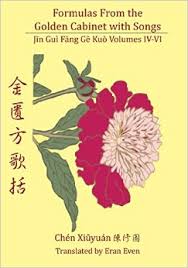
膠艾湯 Jiāo Ài Tāng from the Jīn Guì Fāng Gē Kuò

The following is another teaser from the book, which will most likely be the last, as we are literally in the final stages of publishing.  The book should be set free into the world within the next few weeks.ai+ye.jpg

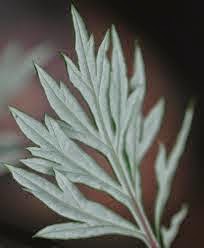
膠艾湯

Jiāo Ài Tāng

Donkey-Hide Gelatin and Mugwort Decoction

治婦人有漏下者,有半產後因續下血都不絕者,有妊娠下血者,假令妊娠腹中痛,為胞阻,以此湯主之。

A treatment for women with [either] spotting, incessant blood descent following late miscarriage, or blood descent in pregnancy. If [there is] abdominal pain in pregnancy, [then] this is uterine obstruction, and this decoction rules it.

乾地黃(六兩)川芎   阿膠     甘草(各二兩)艾葉   當歸(各三兩)芍藥(四兩)

gān dì huáng

乾地黃

18g

chuān xiōng

川芎

6g

ē jiāo

阿膠

6g

gān cǎo

甘草

6g

ài yè

艾葉

9g

dāng guī

當歸

9g

sháo yào

芍藥

12g

上七味,以水五升、 清酒三升,合煮取三升,去滓,內膠令消盡,溫服一升,日三服,不差更作。

Simmer the seven ingredients above in 1,000ml of water with 600ml of clear wine, until reduced to 600ml. Remove the dregs, and dissolve the ē jiāo in the decoction. Take 200ml warm, three doses per day, and repeat if [the condition] fails to resolve.

Song 歌曰:

妊娠腹滿阻胎胞,名曰胞阻,以胞中氣血虛寒,而阻其化育也。二兩芎藭草與膠,歸艾各三芍四兩,地黃六兩去枝梢。

Abdominal fullness in pregnancy with fetal obstruction, this is called fetal obstruction, which is the result of qì and blood vacuity with cold, which hinders the growth and development of the fetus. Six grams chuān xiōng*,  gān cǎo, and ē jiāo, nine grams each of dāng guī and ài yè, twelve of sháo yào, and eighteen of dì huáng eliminates the tip of the branch.

Commentary by [Chén] Yuánxī男元犀按:

芎藭、 芍、 地,補血之藥也;然血不自生,生於陽明水谷,故以甘草補之。阿膠滋血海,爲胎産百病之要藥;艾葉暖子宮,爲調經安胎之專品,合之爲厥陰、 少陰、 陽明及衝任兼治之神劑也。後人去甘草、 阿膠 、艾葉,名爲四物湯,則板實而不靈矣。

Chuān xiōng , sháo yào, and dì huáng are blood-supplementing medicinals. Blood is not generated on its own, but is engendered from water and grains in yángmíng therefore, gān cǎo is used to supplement [yángmíng]. Ē jiāo enriches the sea of blood, and is a very important medicinal for treating various pregnancy related diseases. Ài yè warms the uterus, and is a specific medicinal to regulate menstruation and calm the fetus. This is a divine formula, which unites juéyīn, shàoyīn and yángmíng, and simultaneously treats the thoroughfare and controlling vessel. In later times, people have removed the gān cǎoē jiāo and ái yé, renaming it Sì Wù Tāng, making this formula stiff, bound and ineffective!

*Although the Chinese above says xiōng qiáng 芎藭, I have opted to translate this medicinal using its alternate, more common name chuān xiōng 川芎, and will appear as such in the remainder of the text.