Two Cases On The Use of Táohé Chéng Qì Tāng In Severe Psychiatric Disorders

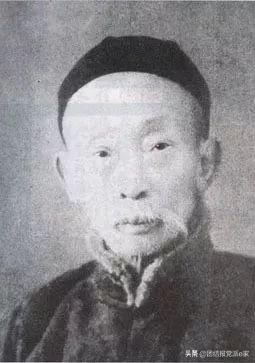
Case of Blood Amassment Induced Madness by Cao Yingfu 曹颖甫

Shen Shiwan’s younger sister, a frail young woman under the age of twenty, suddenly suffered a fright while out shopping. Upon returning home, she descended into madness—attacking anyone she encountered with seemingly boundless strength.

Several days passed without improvement, and I was called to examine her. By then, her condition had persisted for seven or eight days, with no signs of relief. Upon inquiry, I learned that she had not had her menstrual period for two months. Seizing an opportunity while she slept, I entered her room to examine her. Her pulse was deep and tight, and her lower abdomen appeared distended.

I stepped outside and told Shen Shiwan, “This is a case of blood amassment. A strong purgative will cure it.” I prescribed Táohé Chéng Qì Tāng as follows:

  • Táorén 1 liang
  • Dàhuáng 5 qian
  • Mángxiāo 2 qian
  • Zhìgāncǎo 2 qian
  • Guìzhī  2 qian
  • Zhǐshí 3 qian

The next day, I returned to check on her. She had passed a large amount of dark blood, her madness had completely subsided, she showed no signs of exhaustion, and she could even drink porridge. She was now ashamed to face others and refused to come out. (From Jingfang Shiyan Lu – Empirical Records of Classical Formulas)

Commentary:

The key diagnostic markers for Táohé Chéng Qì Tāng include “[patient] appears as if mad” and a “tense bound lower abdomen,” which strongly indicate its use in psychiatric disorders related to blood stagnation. The case aligns closely with classical descriptions—particularly the immediate menstrual discharge of dark purple blood after treatment, a vivid demonstration of the classical principle: “when blood is discharged, the illness will resolve.”

Hormonal changes can often lead to premenstrual symptoms such as irritability, insomnia, headaches, and cognitive issues, which frequently improve after menstruation. This phenomenon, referred to as blood amassment (xu xue 蓄血), remains a fascinating area for further study.

The prescription is quite potent and purgative. If hòupò were added, it would become a combination of Táohé Chéng Qì Tāng and Dà Chéng Qì Tāng. Interestingly, Dà Chéng Qì Tāng is also used in neurological conditions, including delirium, incoherent speech, hallucinations, clouded vision, and severe restlessness, often with more pronounced abdominal fullness and distension.

Case of Shock-Induced Immobility and Chest Oppression by Yè Júquán 叶橘泉

A businessman, known for his cautious and timid nature, had a habitual fondness for alcohol. At the time, Suzhou was under Japanese occupation. One midnight, Japanese military police, accompanied by local collaborators, conducted a household inspection. Terrified, the man was left speechless, eyes wide in shock, unable to respond. He was suddenly slapped across the face by the military police and collapsed to the ground, lying rigid and unconscious, appearing as if he had suffered a stroke.

I was invited to examine him. His pulse was thin and wiry, with a slippery sensation upon deep palpation. His face was flushed, tears welled up in his eyes, and though he appeared to have sensation when touched, he remained speechless and motionless in a rigid supine posture. His pupillary reflexes were normal, and no signs of hemiplegia were present, but his feet were icy cold, his rectus abdominis was tense, and there was a palpable mass in the lower abdomen. He had not had a bowel movement for several days.

I prescribed Táohé Chéng Qì Tāng with the addition of niúxī and chuānxiōng. After taking the formula, he had a bowel movement, his feet became warm, and he soon let out a deep sigh, moaning as if relieved of an immense weight. He then spoke for the first time, saying that he had felt a crushing pressure on his chest.

A second dose was given, after which his stool contained traces of blood. Upon examination, it was found that he had preexisting hemorrhoids, which had started bleeding. I then reduced the dosage and continued treatment for several more doses, leading to a full recovery. (From Zhongguo Bainian Bainming Zhongyi Linchuangjia Congshu – Yè JúquánA Century of Renowned Chinese Physicians: Yè Júquán)

Commentary:

This case illustrates a shock-induced immobility with clear signs of blood stasis and psychological disturbance. Although the patient did not exhibit violent mania, his mental dysfunction was undeniable. The physician skillfully identified abdominal tension, a palpable lower abdominal mass, and prolonged constipation as key indications for Táohé Chéng Qì Tāng, demonstrating a flexible application of classical formulas.

Two key diagnostic markers stand out in this case:

  1. Flushed face with cold lower limbs – a hallmark external manifestation of blood stasis, which can serve as a visual clue for selecting Táohé Chéng Qì Tāng.
  2. Post-treatment rectal bleeding – This reinforces the classical principle that “blood will discharge after taking the formula”, not only in the form of menstrual bleeding in women but also through lower gastrointestinal or even urinary tract bleeding in certain cases. However, this effect is not universally observed in all patients.
Chaihu Guizhi Ganjiang Tang [柴胡桂枝干姜汤] in the treatment of skin disorders

伤寒论六经辨证与方证新探——经方辨治皮肤病心法

欧阳卫权著

The following translation is taken from Ouyang Weiquan’s ‘Exploration of Cold Damage Six-Conformation Pattern Differentiation and Formula Presentations – Jingfang Approach to the Identification and Treatment of Skin Diseases.’ 

Chaihu Guizhi Ganjiang Tang [柴胡桂枝干姜汤]

皮肤病辨治心法

1.不论何种皮肤病、何种皮损,凡见太阴里虚寒证又见上热表现者,可考虑本方证。

2.年轻女性面部痤疮、脂溢性皮炎患者,使用本方证机会较多,常合用当归芍药散。

3.系统性红斑狼疮经长期激素治疗,常表现出本方证,临床对证用之,可迅速使皮损消退,改善症状。且坚持服用,各项狼疮指标多能转为正常。

4.其他如荨麻疹、慢性湿疹、银屑病等,皆有使用机会。

Approach to Identifying and Treating Skin Diseases

  1. Regardless of the type of skin disease or lesion, if there is a presentation of interior cold deficiency in the Taiyin channel along with symptoms of heat in the upper body, this formula can be considered.
  2. This formula is frequently used for young women with facial acne or seborrheic dermatitis and is often combined with Dang Gui Shao Yao San.
  3. Patients with systemic lupus erythematosus (SLE) who have undergone long-term corticosteroid treatment often present symptoms corresponding to this formula. Clinically, using this formula based on the diagnosis can quickly reduce skin lesions, alleviate symptoms, and, with consistent use, normalize various lupus-related indicators.
  4. Other conditions such as urticaria, chronic eczema, and psoriasis may also benefit from this formula.

医案实录

1.系统性红斑狼疮(柴胡桂枝干姜汤合当归芍药散)

杨某,女性,51岁,2005年5月13日初诊。系统性红斑狼疮

(SLE)病史13年。一直在风湿科、内科等中西医治疗,病情较稳定,现服泼尼松用量10mg/d。但患者四肢关节痛、颈、背痛不能缓解已2年余。现双肘、腕、指关节及双膝、踝关节疼痛、颈、背痛。稍怕冷,纳可,口稍干不欲饮,饮则喜温,小便少。舌暗红苔白,脉沉细。处方柴胡桂枝干姜汤合当归芍药散加味:

柴胡10g,桂枝9g,干姜4g,黄芩10g,甘草5g,花粉15g,牡蛎(先煎)20g,当归10g,白芍10g,川芎4g,茯苓15g,白术10g,泽泻10g,葛根12g,7剂。

Case Study

Systemic Lupus Erythematosus (SLE) Treated with Chai Hu Gui Zhi Gan Jiang Tang Combined with Dang Gui Shao Yao San

Yang, female, 51 years old. Initial consultation: May 13, 2005.
History of systemic lupus erythematosus (SLE) for 13 years. Previously treated with both Western medicine and Traditional Chinese Medicine in the rheumatology and internal medicine departments, with relatively stable disease progression. Currently taking 10 mg/day of prednisone.
However, the patient had been experiencing unrelieved joint pain in the limbs, neck, and back for over two years. Symptoms included pain in the elbows, wrists, finger joints, knees, and ankles, along with neck and back pain. She reported slight sensitivity to cold, normal appetite, slight dry mouth with no desire to drink, preference for warm drinks, and reduced urination. Tongue was dark red with a white coating, and the pulse was deep and thin.

Prescription:

Chai Hu Gui Zhi Gan Jiang Tang combined with Dang Gui Shao Yao San with modifications:

  • Chai Hu 10g
  • Gui Zhi 9g
  • Gan Jiang 4g
  • Huang Qin 10g
  • Gan Cao 5g
  • Tian Hua Fen 15g
  • Mu Li (pre-cooked) 20g
  • Dang Gui 10g
  • Bai Shao 10g
  • Chuan Xiong 4g
  • Fu Ling 15g
  • Bai Zhu 10g
  • Ze Xie 10g
  • Ge Gen 12g

Seven doses were prescribed.

患者服后感觉效果非常好,又自购药服12剂。药后明显好转,四肢关节及颈背痛基本消失,不觉怕冷,精神较佳,口干明显,舌暗红,苔中黄,脉细。前方加生石膏20g。上方服至2005年7月15日。诉服后关节痛全消,无其他不适,精神佳。遂改泼尼松为5mg/d。前方去石膏,继服巩固。

After taking the formula, the patient reported significant improvement. She obtained an additional 12 doses on her own. After taking the formula her joint pain in the limbs and neck/back had almost completely disappeared. Cold sensitivity was no longer noticeable, her energy levels had improved, and her dry mouth had markedly lessened. Her tongue was dark red with a yellowish coating, and her pulse was thin. 20g ofShi Gao was added to the previous formula.

The patient continued this treatment until July 15, 2005. By then, joint pain was completely resolved, and no other discomfort was reported. Her energy levels remained good. The dosage of prednisone was reduced to 5 mg/day. The prescription was adjusted by removing Shi Gao and continued as a consolidation treatment.

【按】

柴胡桂枝干姜汤见《伤寒论》第147条:“伤寒五六日,已发汗而复下之,胸胁满微结,小便不利,渴而不呕,但头汗出,往来寒热,心烦者,此为未解也,柴胡桂枝干姜汤主之。”为治热郁少阳,枢机不利,又兼太阴脾寒,水饮内伏之病变。胡希恕以此方合当归芍药散治疗SLE属血虚水盛、邪郁少阳证者多有效。笔者临床观察,SLE经西药激素控制稳定后常现本方证,依证用药确有效验。

Commentary:

The formula Chai Hu Gui Zhi Gan Jiang Tang originates from the Shang Han Lun, Clause 147, where is says:

“In cold damage that has lasted five or six days, sweating has already been promoted followed by purgation, and there is fullness and mild congestion in chest and ribs, with inhibited urination, thirst but no vomiting, and only the head is sweating, with alternating cold and heat, and heart vexation, this means that [the pattern] has not yet resolved, and Chaihu Guizhi Ganjiang Tang governs.”

 This formula addresses Shaoyang depressed heat with inhibition of the pivot mechanism combined with Taiyin spleen cold and internal deep-lying water-rheum. Hu Xishu frequently combined this formula with Dang Gui Shao Yao San to treat SLE presenting with blood deficiency, exuberant water, and Shaoyang depressed heat, with notable efficacy.

The authors own clinical observations suggest that after systemic lupus erythematosus (SLE) is stabilized with corticosteroid treatment, symptoms often align with the pattern corresponding to this formula presentation. Using the formula according to the pattern has proven to be effective.

Medical Case of Professor Huang Shipei: With an 89-Year-Old Patient – Would You Dare Use 20g of Dahuang?

黄仕沛系广州市名中医,广州中医药大学兼职副教授,南京中医药大学客座教授,十三行国医馆名誉馆长,当代经方临床大家,著名经方学者。学术上独尊经方,推崇“方证对应”,临床以大剂著称,著有《黄仕沛经方亦步亦趋录》、《黄仕沛经方亦步亦趋录(续)》、《梦回伤寒四大金刚》、《黄仕沛经方师传录》。

Professor Huang Shipei is a renowned traditional Chinese medicine (TCM) doctor in Guangzhou, a part-time associate professor at Guangzhou University of Chinese Medicine, a visiting professor at Nanjing University of Chinese Medicine, and an honorary director at the Thirteen Halls National Medical Museum. He is a contemporary expert in classical formulas (Jingfang) and a famous scholar in the field. Academically, he exclusively focuses on classical formulas, advocating the “correspondence between formula and symptoms” approach. His clinical practice is notable for using large doses, and he has authored several books, including “Huang Shipei’s Follow-up Records of Classical Formulas,” “Huang Shipei’s Follow-up Records of Classical Formulas (Continued),” “Dreaming of the Four Great Masters of Shanghan,” and “Huang Shipei’s Record of Teaching and Transmission of Classical Formulas.”

何某,女性,89岁。因有老年性痴呆病史,长期居住老人院。2010年7月13日开始出现食入即吐,腹胀满,大便秘结,当时无寒战发热,无腹痛、呕血、黑便等不适。即由家属送至我市某三甲医院住院,行血常规,WBC:11.98*109/L,NE:84.7%,腹部CT:不完全性肠梗阻。因患者高龄,不能耐受手术,暂予禁食,抗感染,补液支持为主,并予桃核承气汤及开塞露,灌肠。

Case Study:

He, female, 89 years old. 

Senile dementia, long-term resident in a nursing home.

From July 13, 2010, she started experiencing vomiting immediately after eating, abdominal distension and fullness, as well as constipation. No chills, fever, abdominal pain, hematemesis, or melena were reported. Her family took her to a tertiary hospital in our city, where she was admitted. Blood tests showed WBC: 11.98*10^9/L and NE: 84.7%. Abdominal CT indicated partial intestinal obstruction. Due to her advanced age and inability to tolerate surgery, she was treated with fasting, antibiotics, fluid infusions, and given Taohe Chengqi Tang to open the stoppage as well as enemas.

灌肠后,可解少量硬便,但如是治疗十余日后,患者食入即吐及腹胀满症状未见好转,家属要求转我院继续治疗。入院时患者暂无呕吐,腹胀满而不痛,复查腹平片仍提示不全肠梗阻,仍予禁食及补液。

Following the enema, she was able to pass a small amount of hard stool. However, after over ten days of treatment, her symptoms of vomiting after eating and abdominal distension did not improve, and her family requested a transfer to our hospital for further treatment. Upon admission, she had no vomiting but had abdominal fullness and distension without pain. Abdominal X-ray still indicated partial intestinal obstruction, so fasting and fluid infusions were continued.

主管医师与黄仕沛教授短信联系,问其能否继续予承气汤类中药内服及灌肠,黄师认为此患者无腹痛,以胀满为主,非痞、满、燥、实、坚的大承气汤证。此患者老年体虚,虽腹胀、便秘、呕吐,但无明显腹痛,其肠梗阻的主要原因考虑为肠麻痹引起,动力不足所致。而此患者在外院已反复攻下而不愈,其虚证更明显。虽有便秘等可下之证,但并非具大承气汤痞、满、燥、实、坚之证,更不是第106条“热结膀胱,其人如狂……但少腹急结”下焦瘀血的桃核承气汤证。可试以厚朴生姜半夏甘草人参汤合小承气汤。

The attending physician contacted Professor Huang Shipei via text message, asking whether the patient could continue taking a Chengqi Tang type of formula and the enemas. Professor Huang believed that this patient, who mainly suffers from bloating without abdominal pain, does not exhibit the symptoms typically treated by a Da Chengqi Tang pattern, such as glomus, fullness, dryness, and hardness. This elderly patient is physically weak and although experiences bloating, constipation, and vomiting, does not have obvious abdominal pain. The primary cause of the patient’s intestinal obstruction is likely intestinal paralysis, resulting in insufficient motility. The patient has undergone repeated purgative treatments at another hospital without recovery, which has further weakened her condition. Although there are symptoms of constipation that might suggest a purgative treatment, the patient does not exhibit the specific symptoms required for Da Chengqi Tang [such as] glomus, fullness, dryness, and hardness, nor the pattern described in line 106 of the Shanghan Lun [where it states] “Heat accumulation in the bladder, causing the person to be manic… with a tense and firm lower abdomen,” which would indicate a Taohe Chengqi Tang pattern of static blood in the lower burner.  He suggested trying a combination of Houpo Shengjiang Banxia Gancao Renshen Tang and Xiao Chengqi Tang:

处方:

法夏24g,炙甘草12g,党参30g,厚朴25g(后下),生地45g,生姜15g,枳实30g,大黄20g(后下)。服第1剂药后,次晨解黑褐色烂便1次,量约100ml,并予开塞露,灌肠后,又解黑褐色烂便1次,量约200ml。如是共服药5天,每天均有大便解出,腹胀消。本欲复查腹平片评价患者肠梗阻情况,因患者痴呆,近日精神好转后,烦躁乱动,不能配合拍片,暂未予。尝试予少量进食,食后无呕吐。得泻后,改予小柴胡汤,处方:柴胡24g,黄芩15g,法夏24g,党参30g,大枣15g,炙甘草15g,厚朴(后下)20g,枳实20g。住院15天,可进食,无呕吐,大便每日可解,予出院。

Formula

  • Banxia 24g
  • Zhi Gancao 12g
  • Dangshen 30g
  • Houpo 25g (added later)
  • Shengdi 45g
  • Shengjiang 15g
  • Zhishi 30g
  • Dahuang 20g (added later)

After taking the first dose, the next morning, she passed about 100ml of blackish-brown loose stool. After another enema, she passed about 200ml of blackish-brown loose stool again. She continued this treatment for five days, with daily bowel movements and reduced abdominal distension.

We originally planned to conduct an abdominal X-ray to assess the patient’s intestinal obstruction. However, due to the patient’s dementia and recent improvement in mental state, the patient became agitated and restless, making it difficult to cooperate for the imaging, so it was temporarily postponed. We attempted to give the patient a small amount of food, and there was no vomiting after eating. After the patient had a bowel movement, we switched to Xiao Chaihu Tang.

  • Chaihu 24g
  • Huangqin 15g
  • Banxia 24g
  • Dangshen 30g
  • Dazao 15g
  • Zhi Gancao 15g
  • Houpo (added later) 20g
  • Zhishi 20g

After 15 days of hospitalization, she could eat without vomiting and had daily bowel movements, leading to her discharge.

Cinnamon Twig Decoction (guì zhī tāng)

The following is a very small snippet of the common cold/influenza section from our translation of Professor Huáng Huáng’s latest book, which will be published and released in January 2024 by Eastland Press. I am so honoured to have been a part of the translation team for this beautiful book alongside Daniel Eng and Craig Mitchell. Hope you enjoy.

Indications: Used for deficient patients who have come down with the common cold. This formula is commonly used for common colds in patients who have had major illnesses, surgery, chemotherapy, excessive medications, are menstruating or are postpartum, have congenital weaknesses, are debilitated, elderly, or are frequently ill. It has been observed in clinical practice that many of these patients do not present with obvious fevers, but instead with fear of cold, weakness, a runny nose with clear mucus, and a pale and dark tongue; These patients commonly experience spontaneous sweating, an aversion to drafts, fever or a subjective sensation of being hot, a feeling of upward surging, palpitations, and a floating, weak and slack pulse.

Important Issues: After taking the formula, one should drink hot congee. The congee can be made of millet or rice, which should be cooked over a gentle heat until the grain has broken down completely. The second important issue is that drafts and cold should be avoided, and ideally one should cover up until a sweat has been obtained. The third is that the patient should be advised to consume light and bland food and drink in order to avoid any extra burden on the digestive system.

Usage And Modifications:

1. This is an ancient formula used for strengthening and fatigue recovery. It is applicable for diseases with signs and symptoms of palpitations, abdominal pain, spontaneous sweating, emaciation, a weak pulse, etc. It can also adjust and regulate a weak and deficient constitution. It is unsuitable for overweight patients or those with edema.

2. Modifications:

• For fatigue, profuse sweating, and cold and painful joints, add Aconiti Radix lateralis praeparata (zhì fù zǐ) 10g.

• For profuse sweating and a sallow complexion, add Astragali Radix (huáng qí) 15g.

With emaciation and a poor appetite, add Codonopsis Radix (dǎng shēn) 15g

With stiffness and pain in the nape and back, dizziness and headache, add Puerariae Radix (gé gēn) 30g.

Representative Case History:

Fifty-four-year-old female, 156cm/64kg.

Initial consultation on September 27, 2014.

History: Sinusitis for over 20 years, with a weekly tendency to catch a cold. With these colds she would experience headaches, frequent sneezing, an aversion to drafts, and sweating from the head. She would also be hungry easily, crave sweet foods, and have a difficult time falling asleep.

Signs: dark, red complexion; dark and dull lips; dark, red tongue; a thick tongue coating; and a moderate pulse, at 72 beats per minute.

Prescription: Cinnamomi Ramulus (guì zhī) 10g, Cinnamomi Cortex (ròu guì) 5g, Paeoniae Radix alba (bái sháo) 15g, Zingiberis Rhizoma (gān jiāng) 5g, Jujubae Fructus (dà zǎo) 30g, Glycyrrhizae Radix (gān cǎo) 10g, Astragali Radix (huáng qí) 30g; 10 packets; 5 days on and 2 days off.

Second consultation on October 7, 2014: After taking the formula, she did not sneeze, and had not contracted a common cold in 7 days. Her appetite and sleep were improved, yet she still woke easily. She continued with another 15 packets of the same formula, one packet taken every other day.

Treatment of Prostatic Hyperplasia with Zhēn Wǔ Tāng

Lú Chónghàn [卢崇汉]

From ‘The Complete Interpretation of Case Studies from Chinese Medicines’ Fire Spirit School’

中医火神派医案全解

Case: Eto, 58 years old, Japanese patient, presented with prostatic hyperplasia, which manifested with frequent, urgent and difficult urination for six years. Symptoms had been increasing over the last two to three years. Symptoms were worse in the afternoon with an inability to hold his urine in and frequent urination. In addition, he suffered from nocturia up to fifteen-sixteen times a night, scanty urine and and a weak flow. Every time he would urinate, he would have to wait three to five minutes and this was accompanied by lower abdominal swelling and distention. 

Doctor Lu always treats based on the tongue, coating and pulse. [This patients] tongue body was pale and swollen with teeth marks along the edges, tongue coating was white, slippery and slimy, and pulse was deep and moderate with a lack of strength on deeper palpation. Doctor Lu felt that this was due to kidney yang weakness and debilitation as well as the settling and obstruction of water-dampness. Treatment method involved warming yang and disinhibiting water with Zhen Wu Tang [真武汤]. 

Zhi Fu Pian 75g (pre-cooked for two hours) 

Sheng Bai Zhu 15g

Fu Ling 25g

Yin Yang Huo 20g

Sheng Jiang 60g


After one package, his urine volume increased, frequency decreased, and flow was smooth. After three packages, his urination was very smooth, nocturia reduced to two times, but he still felt that the strength of his urination was not good. 

At the second consult, 25g of Gui Zhi was added, which had increased the strength of urinary flow. 

At the third consult, 15g of Sha Ren was added in order to absorb the qi of the five viscera into the kidneys. All together thirty packages were taken, at which point the condition had completely improved, urination was normal, nocturia occurred once a night, and urination felt more vigorous. 

Lu Chonghan believes that prostatic hyperplasia, occurs in middle aged and elderly patients, because middle aged and elderly patients’ yang qi has declined and qi transformation is deficient. Because qi transformation is deficient, this results in stoppage and obstruction of water-damp, which follows the Shaoyang triple warmer, descends, and settles in the anterior yin, eventually resulting in prostatic hyperplasia and swelling, leading to difficult urination. When serious this can cause blockage and stoppage which can result in dribbling urinary block. From the perspective of the root and branch, kidney yang vacuity and debilitation and deficient qi transformation are the root, while the pressure in the urinary tract, obstruction and lack of flow are the branch. Therefore, by grasping the root, we must warm yang, transform qi, disinhibit water and drain turbidity. Zhen Wu Tang is Zhongjing’s formula for Shaoyin yang vacuity, with water-damp collecting internally. When used for middle-aged and elderly patients with prostatic hyperplasia, the results are typically quite ideal. 


In clinical practice, Zhen Wu Tang is commonly used with variations, here using Yin Yang Huo as a substitute for Bai Shao. Acrid and majorly hot Fuzi is used to strengthen kidney yang, and is able to support and overcome kidney water, which causes the exuberance of the qi of true yang, so that qi transformation moves and turbid yin can be dispelled. Shengjiang can warm the stomach and dissipate water, as well as open and diffuse lung qi, which opens the upper water-gate, achieving the objective of opening the source of water (the lungs are the upper source of water). Baizhu can move the spleen and eliminate dampness. When the spleens’ function of moving dampness is improved, water can be properly controlled. Fuling is used to blandly percolate and disinhibit water, which regulates the middle burner. This leads to the outward expelling of turbid dampness. Yin Yang Huo guides yang into yin, frees and disinhibits the blood vessels and resolves hypertonicity in the sinews, thereby achieving the objective of freeing the waterways. When these medicinals are combined, the functions of the five viscera are all regulated and rectified, the yang of qi transformation is strengthened, and the qi transformation mechanism is initiated. 


How do we determine if the disease is caused by a yang vacuity? We can [diagnose it] based on the tongue, [tongue] coating, and pulse. If the tongue body is swollen and pale, with teeth marks, and the coating slippery, slimy, and white, or if the coating is white underneath and dry and yellow at the surface. From the perspective of the pulse, when the pulse is deep-slow, deep-moderate, or deep-weak, these all belong to Shaoyin yang vacuity and it can be determined that there is water-damp obstruction, which is yin cold obstruction. This is an extremely reliable pattern indicator. If turbid yin is not transformed and resolved, this easily causes settling and obstruction, which can manifest in the tongue. As a result, the tongue will commonly have teeth marks. If the tongue coating is white and slippery, this is a manifestation of a yang vacuity and loss of the warming and transformation function of true yang. When the tongue coating is white and slimy, this is a manifestation of yang vacuity cold damp obstruction in the lower burner. When the coating is white underneath and dry and yellow at the surface, this indicates that enduring damp depression is beginning to transform into heat. Although there is transformation into heat, the patient’s root pattern is still one of yang vacuity insufficiency, and in clinical practice, one must be aware of this. A deep pulse is due to yang vacuity. If all these tongue, [tongue] coating, and pulse signs exist, we can determine that the underlying patho-mechanism is one of yang vacuity damp obstruction. 

A Cháihú jiā lónggǔ mǔlì tāng case – Huáng Huáng

Wang, 58-year-old male, 186cm/64kg. 

Initial consultation on June 11, 2019. 

History: Patient had a history of stomach disease for over 30 years, accompanied by an inability to eat much food, stomach distention following meals, poor appetite, no desire to eat, coldness in the lower abdomen, a fear of cold, constipation, difficulty falling asleep, and a shallow, dream-disturbed sleep.  

Lab results: Gastroscopy on May 2, 2019, which revealed intermediate chronic atrophic gastritis with intestinal metaplasia in the lesser curvature of the gastric antrum and mild chronic atrophic gastritis with intestinal metaplasia in the greater curvature of the gastric antrum.  

Signs: Sallow complexion, distinct abdominal pulsations, a long face, indifferent expression, slightly thin build, red tip of the nose, and a thin-slippery pulse. 

Prescription:

Bupleuri Radix (chái hú) 15g, Scutellariae Radix (huáng qín) 10g, ginger-fried Pinelliae Rhizoma praeparatum (jiāng bàn xià) 10g, Codonopsis Radix (dǎng shēn) 15g, Cinnamomi Ramulus (guì zhī) 10g, Poria (fú líng) 15g, prepared Rhei Radix et Rhizoma (zhì dà huáng) 5g, Fossilia Ossis Mastodi (lóng gǔ) 15g, Ostreae Concha (mǔ lì) 15g, Zingiberis Rhizoma (gān jiāng) 5g, Jujubae Fructus (dà zǎo) 20g; 10 packets, 1 packet for 2 days. Taken right before bed. 

Second consultation on July 2, 2019: Patient now had a desire to eat, daily bowel movements, and decreased coldness in his lower abdomen. If he overate then he experienced abdominal distention, still had a fear of cold, woke easily due to a dream-disturbed sleep, and was fatigued. 

Prescription 1: Same formula; 1 packet to be taken over 2 days. 

Prescription 2: Bupleuri Radix (chái hú) 15g, Paeoniae Radix alba (bái sháo) 15g, Aurantii Fructus (zhǐ ké) 15g, Glycyrrhizae Radix (gān cǎo) 5g, dried Lilii Bulbus (bǎi hé gān) 30g; 10 packets of each, to be taken on an alternating basis. 

What is a Formula Presentation 方证?

The formula presentation is a theoretical model of herbal formula application that lies between the herbs and formulas on one hand, and the disease pattern on the other. It is the arrow aiming for the target in relation to disease treatment. The formula presentation is the guiding principle behind how a formula is selected. ‘Zheng’(证) refers to evidence, proof, results or efficacy (证验), and also symptoms (症状). Therefore, when all these definitions are taken together, the formula presentation refers to a formula’s key presentation, or instance where a formula displays its main efficacy or results.

Currently in China, many consider the earliest recording of this concept to be found in the Wu Shi Er Bing Fang (五十二病方, Prescriptions for Fifty-Two Diseases), yet many scholars believe that it wasn’t until Zhang Zhongjing’s (张仲景) writings that the concept really took hold, only to be further developed by later generations of physicians. The idea of a formula correspondence (方证相应) is seen in the postscript for line 317 of the Shang Han Lun (伤寒论, Treatise on Cold Damage) which states:

[Only when] the disease corresponds to the formula [can the formula] be taken.

病皆与方相应者,乃服之。

This line offers the most succinct explanation and definition of a formula presentation and implies that all diseases have a corresponding formula, a ‘formula presentation.’ The Shang Han Lun also refers to specific ‘herb presentations’ (药证) such as a ‘Chai Hu (Bupleuri Radix) presentation’ (柴胡证), or a ‘Gui Zhi (Cinnamomi Ramulus) presentation’ (桂枝证). In addition, line 16 of the Shang Han Lun states: 

Observe the pulse and signs, know what error [you] have committed, [and then] treat according to the signs. 

观其的脉证,知犯何逆,随证治之。

The Shang Han Za Bing Lun (伤寒杂病论, Treatise on Cold Damage and Miscellaneous Diseases) was arguably the first text to suggest not just the concept of a formula presentation, but also the principle that became known as ‘determining treatment by patterns identified’ (辨证论治), which lays importance on not just simply knowing which formula treats specific signs, but also on having a clear understanding of the underlying pathomechanism involved. Once the pattern is clearly understood, the choice of the correct formula can be made. According to Professor Huang Huang (黄煌教授), once a formula presentation is clearly identified, not only will the formula be safe to use, but the treatment will also be effective. Following Zhang Zhongjing, physicians such as Sun Simiao (孙思邈), Zhu Gong (朱肱), Xu Lingtai (徐灵胎), Ke Qin (柯琴) and Yu Jiayan (喻嘉言) were highly influential in the ‘school of formula types’ (方类证派), adhering to the concept of ‘formula presentations with similar clauses’ (方证同条).  Song dynasty Zhu Gong referred to a formula presentation simply as a ‘herb presentation.’ The Japanese physician Todo Yoshimasu (吉益东洞) was a strict adherent to the model laid out by Zhang Zhongjing, and was a major contributor to the Japanese Classical Formula School (日本古方派). Although many of these physicians adhered to the formula presentation model, there are some differences in their overall approach and in the method with which they arrived at the presentation. For example, Ke Qin wrote: “Patterns are differentiated from the conformations, therefore the pattern is named after the formula” (证从经分,以方名证), referring to the six conformations (六经), while Xu Lingtai wrote: “In order to [determine] the formula presentation type, [one must] not differentiate according to the conformations” (以方类证,方不分经). While both used the formula presentation model as their method to choose a formula, Ke Qin recorded signs and symptoms exactly as they appear in the Shang Han Lun’s six conformations, while Xu Lingtai worked with general signs and symptoms.  Essentially, a formula presentation is experience: the experienced usage of herbs and formulas over thousands of years. 

Chén Xiūyuán on Gùi Líng Wǔ Wèi Gān Cǎo Tāng

桂苓五味甘草湯
Guì Líng Wǔ Wèi Gān Cǎo Tāng
Cinnamon Bark, Poria, Schisandra, and Licorice Decoction

治青龍湯下已, 多唾口燥, 寸脈沉, 尺脈微, 手足厥逆, 氣從少腹上衝胸咽, 手足痹, 其面翕熱如醉狀, 因復下流陰股, 小便難, 時復冒者, 與此湯, 治其氣衝。

A treatment for when after taking xiǎo qīng long tāng there is copious spittle, a dry mouth, a deep pulse at the inch opening and a faint pulse at the cubit position. [In addition] there is reverse counterflow in the hands and feet, qi surging up from the lower abdomen to the chest and throat, impediment in the extremities, a red flushed face as if drunk, and because of repeated downpour into the groin, there is difficult urination, and periodically recurring muddledness. Give this decoction to treat the surging qi.

按: 脈沉微, 支厥痹, 面如醉, 氣衝時復冒, 似少陰陰陽不交之症, 學者可於臨症時參辨之則可。

Commentary: [When there is] a deep and faint pulse, propping [rheum] with reversal impediment,
a face as if drunk, and qi surging with periodic muddledness, this resembles a pattern of
non-interaction between the yīn and yang of shaoyīn. When arriving at these patterns, students can
compare and differentiate these principles.

Guì Zhī 4 liǎng 桂枝
Fú Líng 4 liǎng 茯苓(各四兩)
Wǔ Wèi [Zǐ] 五味[子] 1/2 shēng(半升)
Zhì Gān Cǎo 3 liǎng 甘草(三兩, 炙)

上四味, 以水八升, 煮取三升, 去滓, 分溫三服。

Simmer the four ingredients above in 1,600ml of water, until reduced to 600ml. Remove the dregs, divide, and take warm in three doses.

Song歌曰:

青龍卻礙腎元虧,
腎元虧而誤服之,
則動衝任之火,
致變為已下諸証。
上逆下流又冒時;
氣從少腹上衝胸咽,
或面熱如醉,
或熱氣流於兩股,
或小便難而昏冒,
忽上忽下,
在陽無主,
如電光之閃爍無定,
味用半升苓桂四,
甘三扶土鎮衝宜。

Xiǎo Qīng Lóng Tāng may cause (further) depletion to the original (qì) of the kidney.
(Original kidney qi was debilitated, and (Xiǎo Qīng Lóng Tāng) was erroneously administered.  
This led to the stirring and surging of conception vessel fire,
which changed into one of the various patterns (which follow) administration].
Ascending counterflow with downpour, in addition to periodic muddledness,
[qi surging upward from the lower abdomen into the chest,
or a red flushed face as if drunk,
or warm qi flowing into the groin,
or difficult urination, and clouded veiling,
which fluctuate sharply, are (the result) of yáng not ruling,
and is unpredictable like the flickering of lightening].
100ml of wǔ wèi zǐ, twelve grams of fú líng and guì zhī,
and nine grams of gān cǎo, are suitable to support earth and settle the surging.

Commentary by (Chén) Yuánxī 男元犀按:

仲師五味子必與乾薑同用, 獨此方不用者, 以誤服青龍之後衝氣大動, 取其靜以制動, 故暫停不用也。 尤雲: 苓、 桂能抑衝氣使之下行, 然逆氣非斂不降, 故以五味之酸斂其氣, 土厚則陰火自伏, 故以甘草之甘補其中也。

Master (Zhàng) Zhōng Jǐng’s wǔ weì zǐ is always combined with gān jiāng (however) in this formula (gān jiāng) is not used. Following the erroneous administration of Xiǎo Qīng Lóng Tāng, there is major stirring of surging qì.  Take this (formula) to tranquilize in order to control the stirring, and once it stops, there is no need to (continue) taking it.  Yóu Zàijīng says: fú líng, and guì zhī are able to control surging qì allowing it to move downwards, and (if) counterflow qì fails to go down due to a lack of restraint, sour wǔ wèi zǐ is used to restrain it. (Once) earth is thickened, yīn fire will conceal on its own, and for this reason sweet gān cǎo is used to supplement earth.

Cáo Yǐngfǔ on the Use of Xiǎo Jiàn Zhōng Tāng 

Master Cao was a pivotal force in the classical formulas school (经方派) and was a true master in using the underlying principles and formulas found in the Shang Han Lun and Jin Gui Yao Lue. Master Cao felt that the medical texts, which followed were too insignificant to study and discuss, and therefore he attached great importance to the thorough study of these texts to his students, and felt that Zhang Zhongjing’s theories and formulas were the perfect framework for successful medical practice. In addition to being skillfully versed in these medical canons, Cao Yingfu was also an accomplished poet, often interweaving the two when attempting to convey his thought process in clinic, often instructing his students to compose a poem and matching it with a relevant line from the classics. This kind of inquiry and thought process truly shows the breadth of his skill and how his mind rarely waivered from the classical Chinese medicine concept of the human body being a reflection of his environment, the microcosm of the macrocosm.
However, master Cao was not completely strict in his formula choices and would often use formulas like Bu Zhong Yi Qi Tang, Xiao Yao San, and Liu Wei Di Huang Wan, in addition to herbs such as niu bang zi, qian hu and various others. This shows that he was obviously well read and did not quickly write off more modern formulas. His use of these non Zhang Zhongjing formulas displayed his deep understanding in the formula constructions and where they were applicable. He advocated that students must understand and study the root of the medical philosophies and not just pick the flowers, and it’s from this same feeling that he encouraged his students to read the Yue Fu (乐府诗集) poetry of the Han and Wei dynasties and specifically the poet Wang Yuyang (王漁洋).

When the Japanese invaded the south, his hometown of Jiangyin, Jiangsu province fell into enemy hands and on December 7th, 1937, he died heroically resisting the invaders. While master Cao died a hero, the world lost a great Chinese medicine master. We are very fortunate to have several of his books available in order for subsequent generations to learn from not just in China, but also around the world. It is my hope in translating some of his cases that this knowledge can spread. We are also very fortunate to have scholar-physicians like my teacher Dr. Huang Huang uphold this love and dedication to master Cao’s work and to classical literature.

Case 1
Female. Since delivering a child her cycles come every forty days, which are accompanied by distending pain in the epigastrium following meals. When the cycle arrives, there is pain extending from the stomach to the lower abdomen. During the pain she experiences a strong desire to have a bowel movement. After the bowel movement the pain would typically stop. Pain would return the following afternoon and stop during the menstrual flow, and once again come and go the following day. Both pulses were wiry.
This is liver and gall-bladder exploiting deficiency of the spleen viscera. In this case Xiao Jian Zhong Tang with Chai hu and Huang Qin is appropriate.


Gui Zhi 3 qian
Sheng Bai Shao 5 qian
Zhi (Gan) Cao 2 qian
Sheng Jiang 5 pcs
Hong Zao 12 pieces
Yi Tang 2 liang
Chai Hu 3 qian
Jiu (Huang) Qin 1 qian
Tai Wu Yao 1.5 qian

After one package, her pain stopped and the menses ceased. Patient continued with two more packages, after which the condition resolved.
The master (Zhang Zhongjing) in his great classic said:


“In cold damage, (when) the yang pulse is choppy and the yin pulse is wiry, as a rule there should be urgent pain in the abdomen. First give Xiao Jian Zhong Tang; if it does not reduce, Xiao Chai Hu Tang governs.”
“伤寒,阳脉涩,阴脉弦,法当腹中急痛,先与小建中汤,不差者,小柴胡汤主之”.

Cao Yingfu (曹颖甫): Now here (in this case) I feel it goes without saying that there had not been a reduction and I immediately added Chai Hu and Huang Qin to treat her, why not? This woman’s situation was a menstrual disease and many belong to Chai Hu patterns, and so it was clearly obvious (to add it). The following day it was reported that the disease had resolved.

Case 2
Abdominal pain which liked pressure. During episodes of pain a distressing sensation of cold air was felt moving up and down (the body). Pulse was wiry-deficient. In addition there was an aversion to cold.
This is due to the liver exploiting the spleen and Xiao Jian Zhong Tang governs.
Gui Zhi 9g
Bai Shao 18g
Sheng Jiang 9g
Zhi Gan Cao 6g
Da Zao 6g
Yi Tang 30g

Liáo Shēng annotation: “This case is a pattern of abdominal pain (due to) central yang insufficiency with interior deficiency. The patient experienced abdominal pain, which liked pressure, the pulse was wiry-deficient and an aversion to cold was present. This signifies the overabundance of yin cold-qi, central yang insufficiency, and liver wood exploiting spleen (earth). Therefore Xiao Jian Zhong Tang was used to treat and resolve the condition.
The function of this formula is to supplement deficiency, quiet the center, moderate urgency and stop pain. The name of this formula is center fortifying (decoction). Fortify means to establish or set up, and because central qi is insufficient, it is very important to ‘establish’ or ‘set it up’. The formula contains sweat inducing (herbs) and not central effusing (herbs). It is referred to as a ‘minor’ (decoction) and only half (of the formula) resolves the exterior, so it does not completely secure the center. Xiao Jian Zhong Tang uses a heavy dose of Yi Tang, which is sweet, warm and serves as the sovereign to supplement the center. Bai Shao is the minister, which is sour and sweet to tonify yin. The assistant Gui Zhi is acrid-warm, which effuses and scatters. Combined with Bai Shao it regulates the nutritive and defense. In addition, Gan Cao, Da Zao and Sheng Jiang, which are sweet moderating and acrid warm, nourish the stomach and harmonize the center. Therefore (this formula) is able to warm and nourish central qi, calm and supplement yin and yang and regulate the nutritive and defense.”

*Xióng Liáo-Shēng (熊廖笙) style name Yǐ Xíng (以行) was born in 1905 in Ba County in Chongqing, Sichuan Province. Master Xióng was well versed in the classics, primarily the Nei Jing, Nan Jing, Shang Han Lun, and Jin Gui Yao Lue. The author of several books, Dr. Xióng possessed a deep and profound scholarship of the Shang Han Lun and was highly skilled in distilling the essence and precise details of various ancient doctors cases, which were found in his various annotations.

Don’t forget to join the Classical Chinese Medicine community by adding your email address to the bar on the right to be notified of any future publications, translations and writings!

Huáng Huáng’s Use of Guì Zhī Fú Líng Wán in Respiratory Conditions

Cinnamon Twig and Poria Pill (guì zhī fú líng wán)

Indications: Bronchial asthma, chronic obstructive pulmonary disease (COPD), pulmonary arterial hypertension, pleurisy, pleural effusion, interstitial pneumonia, pulmonary fibrosis, and recurrent pulmonary infections typically manifesting with a dark-red complexion, a stifling sensation and pain in the chest, purple lips and a dark tongue. This formula has a blood invigorating, stasis transforming effect, which can improve the blood supply of the heart and lungs.

Usage & Modifications:

1. Patients for whom this formula is suitable tend to have a red or purple-red complexion, abdominal fullness, resistance to pressure in the lower left abdomen with possible tenderness, headaches, dizziness, insomnia, irritability, restlessness, stirring palpitations, and a dark tongue body with possible purple spots.

2. For patients that experience diarrhea after taking the formula, have them take in after meals or decrease the dosage.

3. Use with caution in pregnancy.

4. Modifications:

  • If there is a stifling sensation and pain in the chest, a chronic cough, and a wan and sallow complexion, add Angelicae sinensis Radix (dāng guī) 15g, Chuanxiong Rhizoma (chuān xiōng) 15g, and Salviae miltiorrhizae Radix (dān shēn) 15g
  • If there is a stifling sensation in the chest, abdominal distention, and an oily complexion, add Citri reticulatae Pericarpium (chén pí) 20g, Aurantii Fructus (zhǐ ké) 20g, and Zingiberis Rhizoma recens (shēng jiāng) 20g
  • If there is a stifling sensation in the chest  and constipation, add Aurantii Fructus (zhǐ ké) 20g, Allii macrostemi Bulbus (xiè bái) 20g, and Trichosanthis Fructus (quán guā lóu) 30g.

Representative Case History:

Yu, 74-year-old male, 160cm/70kg.

Initial consultation on June 5, 2018

Chief complaint: Recurrent cough and wheezing for 9 years, with dyspnea, an inability to climb stairs quickly, and abdominal distention following meals.

History: In April 2018 during a hospital visit, he was diagnosed with an acute exacerbation of chronic obstructive pulmonary disease (COPD), arrhythmia, atrial fibrillation, cardiac insufficiency, heart valve disease, and a fatty liver.

Signs: average build, dark, red and oily complexion, obvious bags under the eyes, purple-dark lips and tongue, stasis marks under the tongue, abdominal fullness, and resistance to pressure in the lower costal arch (flanks).

Prescription: Cinnamomi Ramulus (guì zhī) 10g, Cinnamomi Cortex (ròu guì) 10g, Poria (fú líng) 20g, Paeoniae Radix rubra (chì sháo) 20g, Moutan Cortex (mǔ dān pí) 15g, Persicae Semen (táo rén) 15g, Angelicae sinensis Radix (dāng guī) 15g, Chuanxiong Rhizoma (chuān xiōng) 15g, Salviae miltiorrhizae Radix (dān shēn) 15g, Aurantii Fructus (zhǐ ké) 30g, Citri reticulatae Pericarpium (chén pí) 30g, Zingiberis Rhizoma (gān jiāng) 10g; 15 packets.

Second consultation on June 25, 2018: After taking the herbs, his breathing was smooth and easy, however cough and wheezing were still present, but he was still able to play mah-jong. The same formula was continued.

Third consultation on August 20, 2018: No labored breathing when walking and he was able to climb 3 floors. The stasis marks under his tongue had improved.