Cinnamon Twig Decoction (guì zhī tāng)

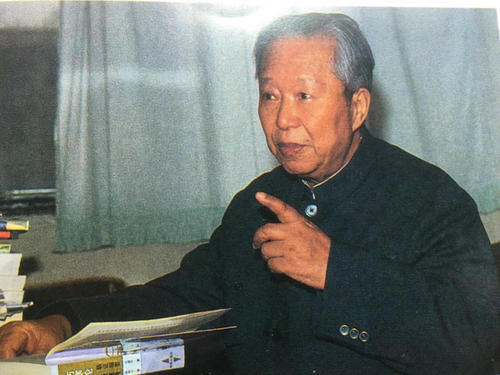
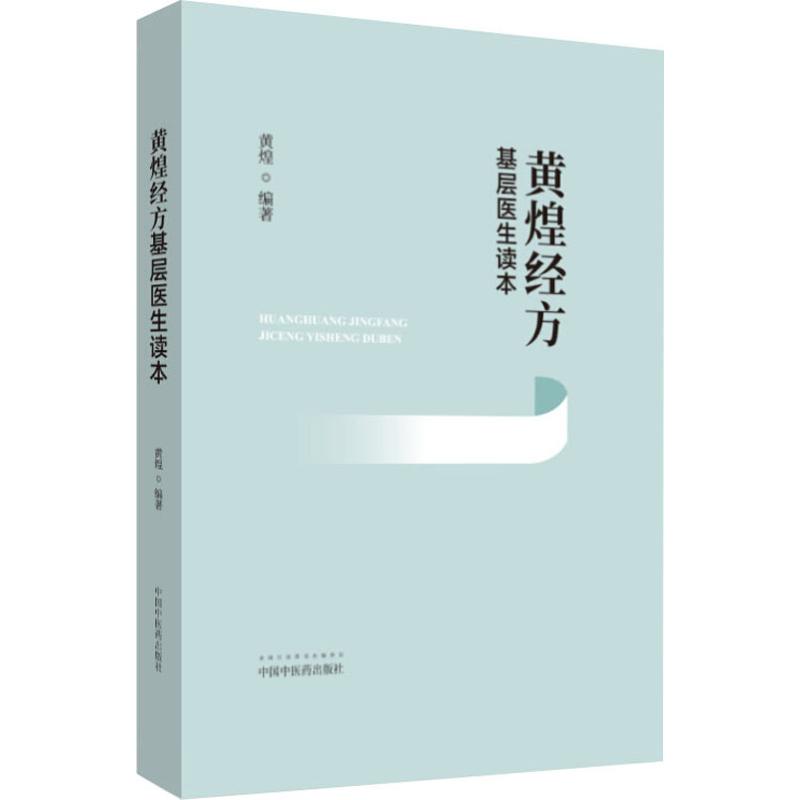
The following is a very small snippet of the common cold/influenza section from our translation of Professor Huáng Huáng’s latest book, which will be published and released in January 2024 by Eastland Press. I am so honoured to have been a part of the translation team for this beautiful book alongside Daniel Eng and Craig Mitchell. Hope you enjoy.

Indications: Used for deficient patients who have come down with the common cold. This formula is commonly used for common colds in patients who have had major illnesses, surgery, chemotherapy, excessive medications, are menstruating or are postpartum, have congenital weaknesses, are debilitated, elderly, or are frequently ill. It has been observed in clinical practice that many of these patients do not present with obvious fevers, but instead with fear of cold, weakness, a runny nose with clear mucus, and a pale and dark tongue; These patients commonly experience spontaneous sweating, an aversion to drafts, fever or a subjective sensation of being hot, a feeling of upward surging, palpitations, and a floating, weak and slack pulse.

Important Issues: After taking the formula, one should drink hot congee. The congee can be made of millet or rice, which should be cooked over a gentle heat until the grain has broken down completely. The second important issue is that drafts and cold should be avoided, and ideally one should cover up until a sweat has been obtained. The third is that the patient should be advised to consume light and bland food and drink in order to avoid any extra burden on the digestive system.

Usage And Modifications:

1. This is an ancient formula used for strengthening and fatigue recovery. It is applicable for diseases with signs and symptoms of palpitations, abdominal pain, spontaneous sweating, emaciation, a weak pulse, etc. It can also adjust and regulate a weak and deficient constitution. It is unsuitable for overweight patients or those with edema.

2. Modifications:

• For fatigue, profuse sweating, and cold and painful joints, add Aconiti Radix lateralis praeparata (zhì fù zǐ) 10g.

• For profuse sweating and a sallow complexion, add Astragali Radix (huáng qí) 15g.

With emaciation and a poor appetite, add Codonopsis Radix (dǎng shēn) 15g

With stiffness and pain in the nape and back, dizziness and headache, add Puerariae Radix (gé gēn) 30g.

Representative Case History:

Fifty-four-year-old female, 156cm/64kg.

Initial consultation on September 27, 2014.

History: Sinusitis for over 20 years, with a weekly tendency to catch a cold. With these colds she would experience headaches, frequent sneezing, an aversion to drafts, and sweating from the head. She would also be hungry easily, crave sweet foods, and have a difficult time falling asleep.

Signs: dark, red complexion; dark and dull lips; dark, red tongue; a thick tongue coating; and a moderate pulse, at 72 beats per minute.

Prescription: Cinnamomi Ramulus (guì zhī) 10g, Cinnamomi Cortex (ròu guì) 5g, Paeoniae Radix alba (bái sháo) 15g, Zingiberis Rhizoma (gān jiāng) 5g, Jujubae Fructus (dà zǎo) 30g, Glycyrrhizae Radix (gān cǎo) 10g, Astragali Radix (huáng qí) 30g; 10 packets; 5 days on and 2 days off.

Second consultation on October 7, 2014: After taking the formula, she did not sneeze, and had not contracted a common cold in 7 days. Her appetite and sleep were improved, yet she still woke easily. She continued with another 15 packets of the same formula, one packet taken every other day.

Transformative Tales: Harnessing the Power of Chinese Medicine – Two Remarkable Case Studies

I’d like to share two cases from my personal clinic, involving patients I saw this week for follow-up after they started their Chinese herbal formulas. The first patient had never tried Chinese herbs before, so this was a new experience for her. The second patient, of Chinese descent, had grown up taking herbs her grandmother would prepare for her, so she was quite used to the ‘deliciousness’ of the herbs. The purpose of these two cases is to illustrate the remarkable effectiveness of Chinese herbal medicine, especially in situations where their allopathic physicians had few treatment options to offer.

In a follow up post, I will discuss my reasoning for the formula selections as well as the underlying mechanisms involved.

Case 1

Initial consultation on August 25, 2023.

A 43-year-old female presented with a longstanding issue of pain in her hands that had been bothering her for over 15 years, and it had recently worsened. This pain was significantly affecting her ability to work, as she is a sculptor and a professor. She had been managing the pain with Ibuprofen, but this approach had become less effective in recent times.

The pain was localized exclusively to her hands and would cause them to swell up easily, appearing “puffy” without any noticeable discoloration. This pain also had a negative impact on her range of motion and grip strength, which was affecting her ability to engage in activities such as swimming. Rest provided some relief from the pain. Additionally, she was experiencing edema in her feet and hands and had frequent and inhibited urination. She also reported occasional dry mouth and thirst, and her hands, feet, and nose would become cold while the rest of her body remained warm.

Despite these discomforts, she maintained a good appetite without experiencing bloating. She mentioned being a light sleeper and often woke up due to the pain. The patient also had varicose veins and spider veins, dry heels, and occasional headaches. She had a tendency to sweat easily.

Notably, there were no complaints of dizziness or palpitations, and while she experienced occasional nausea, it was not a frequent occurrence. Her bowel movements were regular. The consultation was conducted via video, so no pulse reading was performed.

Formula: Fangji Huangqi Tang + Wuling San + Guizhi Fuling Wan

Fangji 18g
Huangqi 25g
Cangzhu 20g
Gancao 15g
Ganjiang 18g
Fuling 20g
Zhuling 18g
Zexie 25g
Guizhi 20g
Chishao 20g
Mudanpi 20g
Taoren 18g

Raw herb powder – 9g daily.

Follow-up on September 29, 2023. The patient reported significant improvement. After just one week on the prescribed formula, the pain in her hands had subsided dramatically, and she has not experienced any soreness or flares since then. She has not needed any pain medication and was able to swim and work without any issues. The swelling in her hands and feet had also reduced, with a more substantial improvement in her hands. Urination was less inhibited and easier, and all other symptoms were under control.

The same formula was continued for the time being, with a follow-up scheduled for November.

Case 2

Initial consultation on August 25, 2023.

A 37-year-old female presented with a chronic issue of dry eyes that had been troubling her for several years. Notably, the condition had been progressively worsening over the past few months. Her eyes would frequently become red, feel gritty, and occasionally produce excess tears, although this excessive tearing did not alleviate the dryness. She found wearing contact lenses uncomfortable. She had undergone a procedure before COVID to address potential blockages, but it had provided limited relief, and she had not pursued any further procedures since then. She also experienced frontal headaches, which were related to eye strain. She had a tendency to feel cold easily, suffered from hot flashes preceding her menstrual period, and had regular bouts of constipation, with a bowel movement occurring every other day. Additionally, she complained of dryness in her mouth and throat. She had previously received treatment for dizziness, which was no longer a concern. There were no issues with nausea, night sweats, palpitations, sleep quality, or appetite, and she did not experience reflux. Pulses were deep-thin and wiry bilaterally.

Formula: Wen Jing Tang (standard doses), with the addition of Gegen (25g) and Juhua (20g). Raw herb powder – 8g daily.

Follow-up on September 29, 2023: the patient reported experiencing several good days over the past month when her eyes felt great. While there were still some bad days, these were often associated with increased screen time and the quality of her sleep the night before. The redness in her eyes had significantly reduced, and they were no longer gritty. She also noticed that she could lubricate her eyes more easily with a few blinks, whereas previously, it took several minutes. Although there was improvement in her bowel movements, they were not yet perfect. She had also observed a warm sensation throughout her body after drinking the formula, and her general sensitivity to cold had improved. The patient had recently experienced a canker sore outbreak, and had neglected to mention during the previous visit that this was a relatively common experience during times of stress. A week prior to the follow-up appointment, she had undergone an eye assessment, which diagnosed her with moderate-severe dry eye syndrome. Treatment options involving invasive procedures were offered, but given the positive effects of the herbs thus far, she opted to monitor her progress over the next few months before deciding on any further procedures. The same formula was continued, with Wuzhuyu reduced to 6g and the addition of Huanglian (6g) and Zhishi (18g). 

Fú Líng Yǐn (Poria Drink) 茯苓饮

Today, I am eager to share some insights and offer a comprehensive overview of a formula that often goes overlooked but possesses remarkable effectiveness. Through the presentation of its original lines, patient characteristics, suitable conditions, and a case study, my aim is to illuminate the precise contexts, timing, and rationales behind the application of this formula.

治心胸中有停痰宿水,自吐出水後,心胸間虛,氣滿不能食,消痰氣,令能食。
A treatment for collected phlegm and abiding water in the heart and chest with a vacuity of the
heart and chest, fullness of qi, and an inability to eat following the spontaneous vomiting of water.
[This formula] disperses phlegm-qi, and enables one to eat.

Jingui Yaolue 12

Composition:

Fu Ling 3 liang
Ren Shen 3 liang
Bai Zhu 3 liang
Zhi Shi 2 liang
Ju Pi 2.5 liang
Sheng Jiang 4 liang

Formula Presentation:

  • Stifling sensation in the chest
  • Abdominal distention
  • Vomiting of watery mucus
  • The sound of splashing water in the stomach
  • Poor appetite.

Patient Characteristics:

Emaciation: gaunt appearance, a pale and sallow complexion that lacks luster, dusky pale lips and tongue or a slight degree of superficial facial edema.

Digestive upset: lack of appetite, a loss of hunger sensation or abdominal fullness and discomfort after eating, frequent belching, a bitter taste in the mouth, vomiting of fluids, acid reflux, and heartburn. The tongue coating will be thick and could also be white and/or greasy.

Stoppage of fluids in the stomach: a soft abdominal wall that lacks resistance or one that although tight has a sense of nothing underneath; this is most often observed along with splash sounds in the stomach and accumulations of qi in the upper abdomen.

Suitable Conditions

Digestive diseases including gastric diseases such as gastric prolapse, gastric atony, chronic gastritis, peptic ulcers, gastric injury from NSAIDs, and anorexia; intestinal diseases such as pediatric diarrhea, irritable bowel syndrome, habitual constipation; chronic pancreatitis, and post-operative abdominal pain.

Other disorders including cardiac insufficiency, breast lobular hyperplasia, fibroadenomas of the breast, uterine prolapse, hypotension, motion sickness, eczema, and chilblains.

Commentary by Huang Huang

Great formula for gastric motility and is able to speed up gastric emptying and eliminate fluids retained in the stomach. In this way it restores the appetite. Patients are usually thin and weak with flat abdomens, abdominal walls that lack elasticity, and prominent splash sounds in the stomach. If these weak patients are mistakenly given enriching and tonifying substances, it can result in ascending fire with them feeling upset, irritable, and restless.

Patients typically experience abdominal distention right after eating and complain of a strong sense of pressure in the chest and abdomen that is slightly relieved by belching. They will vomit up fluids or froth and do not feel hungry. This discomfort in the stomach often leads them to be depressed and anxious and have insomnia, palpitations, lightheadedness, and headache. This can be accompanied by a bitter taste in the mouth and a sense of something being stuck in the throat.

While these patients have a rather thick tongue coating, the tongue body itself is not necessarily swollen and may in fact be thin and small. Usually it tends to be dusky.

Dr. Huang usually increases the dosages of zhǐ shí and chén pí up to 30g each.

Case Study

Li, 39-year-old female, 160cm/48kg.

Initial consultation on January 6, 2017.

History: Two years ago, after giving birth, the patient suffered from depression that manifested as a stifling sensation in the chest, fluttering in the chest, irritability and uneasiness, and a poor appetite. Recently she had experienced epigastric distention and pain that was more pronounced after eating, with occasional acid reflux. Her stools were typically loose, and she was frequently dizzy, had a hard time falling asleep and occasionally had difficulty getting to sleep throughout the night. In addition, she had vitreous opacity and dry eye disease.

Signs: Thin build, sallow complexion with dark spots, splash sounds in the stomach, periumbilical pulsations, red inner eyelids (checked by drawing down the lower lid), a thick-greasy tongue coating, and a weak pulse, which was forceless hardon heavy pressure. Her blood pressure tended to be low.

Prescription: fú líng 40g dǎng shēn 15g, bái zhú 20g, zhǐ ké 20g, chén pí 20g, gān jiāng 5g, guì zhī 15g, zhì gān cǎo) 5g; 10 packets.

Second consultation on February 14, 2017: After taking the formula, her abdominal distention was reduced and her sleep improved. Her tongue coating was still thin, and her facial spots were less dark. The same formula was given, to be taken every other day.

Treatment of Prostatic Hyperplasia with Zhēn Wǔ Tāng

Lú Chónghàn [卢崇汉]

From ‘The Complete Interpretation of Case Studies from Chinese Medicines’ Fire Spirit School’

中医火神派医案全解

Case: Eto, 58 years old, Japanese patient, presented with prostatic hyperplasia, which manifested with frequent, urgent and difficult urination for six years. Symptoms had been increasing over the last two to three years. Symptoms were worse in the afternoon with an inability to hold his urine in and frequent urination. In addition, he suffered from nocturia up to fifteen-sixteen times a night, scanty urine and and a weak flow. Every time he would urinate, he would have to wait three to five minutes and this was accompanied by lower abdominal swelling and distention. 

Doctor Lu always treats based on the tongue, coating and pulse. [This patients] tongue body was pale and swollen with teeth marks along the edges, tongue coating was white, slippery and slimy, and pulse was deep and moderate with a lack of strength on deeper palpation. Doctor Lu felt that this was due to kidney yang weakness and debilitation as well as the settling and obstruction of water-dampness. Treatment method involved warming yang and disinhibiting water with Zhen Wu Tang [真武汤]. 

Zhi Fu Pian 75g (pre-cooked for two hours) 

Sheng Bai Zhu 15g

Fu Ling 25g

Yin Yang Huo 20g

Sheng Jiang 60g


After one package, his urine volume increased, frequency decreased, and flow was smooth. After three packages, his urination was very smooth, nocturia reduced to two times, but he still felt that the strength of his urination was not good. 

At the second consult, 25g of Gui Zhi was added, which had increased the strength of urinary flow. 

At the third consult, 15g of Sha Ren was added in order to absorb the qi of the five viscera into the kidneys. All together thirty packages were taken, at which point the condition had completely improved, urination was normal, nocturia occurred once a night, and urination felt more vigorous. 

Lu Chonghan believes that prostatic hyperplasia, occurs in middle aged and elderly patients, because middle aged and elderly patients’ yang qi has declined and qi transformation is deficient. Because qi transformation is deficient, this results in stoppage and obstruction of water-damp, which follows the Shaoyang triple warmer, descends, and settles in the anterior yin, eventually resulting in prostatic hyperplasia and swelling, leading to difficult urination. When serious this can cause blockage and stoppage which can result in dribbling urinary block. From the perspective of the root and branch, kidney yang vacuity and debilitation and deficient qi transformation are the root, while the pressure in the urinary tract, obstruction and lack of flow are the branch. Therefore, by grasping the root, we must warm yang, transform qi, disinhibit water and drain turbidity. Zhen Wu Tang is Zhongjing’s formula for Shaoyin yang vacuity, with water-damp collecting internally. When used for middle-aged and elderly patients with prostatic hyperplasia, the results are typically quite ideal. 


In clinical practice, Zhen Wu Tang is commonly used with variations, here using Yin Yang Huo as a substitute for Bai Shao. Acrid and majorly hot Fuzi is used to strengthen kidney yang, and is able to support and overcome kidney water, which causes the exuberance of the qi of true yang, so that qi transformation moves and turbid yin can be dispelled. Shengjiang can warm the stomach and dissipate water, as well as open and diffuse lung qi, which opens the upper water-gate, achieving the objective of opening the source of water (the lungs are the upper source of water). Baizhu can move the spleen and eliminate dampness. When the spleens’ function of moving dampness is improved, water can be properly controlled. Fuling is used to blandly percolate and disinhibit water, which regulates the middle burner. This leads to the outward expelling of turbid dampness. Yin Yang Huo guides yang into yin, frees and disinhibits the blood vessels and resolves hypertonicity in the sinews, thereby achieving the objective of freeing the waterways. When these medicinals are combined, the functions of the five viscera are all regulated and rectified, the yang of qi transformation is strengthened, and the qi transformation mechanism is initiated. 


How do we determine if the disease is caused by a yang vacuity? We can [diagnose it] based on the tongue, [tongue] coating, and pulse. If the tongue body is swollen and pale, with teeth marks, and the coating slippery, slimy, and white, or if the coating is white underneath and dry and yellow at the surface. From the perspective of the pulse, when the pulse is deep-slow, deep-moderate, or deep-weak, these all belong to Shaoyin yang vacuity and it can be determined that there is water-damp obstruction, which is yin cold obstruction. This is an extremely reliable pattern indicator. If turbid yin is not transformed and resolved, this easily causes settling and obstruction, which can manifest in the tongue. As a result, the tongue will commonly have teeth marks. If the tongue coating is white and slippery, this is a manifestation of a yang vacuity and loss of the warming and transformation function of true yang. When the tongue coating is white and slimy, this is a manifestation of yang vacuity cold damp obstruction in the lower burner. When the coating is white underneath and dry and yellow at the surface, this indicates that enduring damp depression is beginning to transform into heat. Although there is transformation into heat, the patient’s root pattern is still one of yang vacuity insufficiency, and in clinical practice, one must be aware of this. A deep pulse is due to yang vacuity. If all these tongue, [tongue] coating, and pulse signs exist, we can determine that the underlying patho-mechanism is one of yang vacuity damp obstruction. 

Huáng Yuányù on Guìzhī

桂枝 味甘、辛,氣香,性溫,入足厥陰肝、足太陽膀胱經。入肝家而行血分,走經絡而達營郁,善解風邪,最調木氣,升清陽脫陷,降濁陰沖逆,舒筋脈之急攣,利關節之壅阻,入肝膽而散遏抑,極止痛楚,通經絡而開痹澀,甚去濕寒,能止奔豚,更安驚悸。

Guìzhī: 

Sweet and acrid flavour, with a fragrant qi and warm nature. Enters the foot Jueyin liver and foot Taiyang bladder channels. [By] entering the liver domain it moves the blood layer and the channels and network vessels, as well as outthrusts depressed nutritive [qi]. [It is] excellent at resolving wind pathogens, and most excellent at regulating wood qi. It ascends clear yang, which has fallen and deserted, as well as downbears turbid yin, which has resulted in turbid counterflow. Guìzhī soothes tension and hypertonicity in the sinews and disinhibits congestion and obstruction in the joints. By entering the liver and gallbladder it dissipates and restrains, which results in the resolution of pain. It frees the channels and network vessels thereby opening impediment, excels at eliminating damp-cold, is able to alleviate running piglet, and calms fright palpitations. 

The above short little ditty on this beautiful herb, is an example of some of the rich textual works we’ll be covering in my upcoming class on the Guìzhī formula family. For anyone interested in being notified about these classes and any upcoming ones, please feel free to add yourself to my newsletter list by clicking here!

On Gé Gēn 葛根

Gé Gēn (Radix Puerariae)

《神农本草经》: 味⽢,平。主消渴,⾝⼤热,呕吐,诸痹,起阴⽓,解诸毒。
[Shén Nóng Běn Cǎo Jīng]: Sweet flavour, and neutral Qi. Governs dispersion thirst, major body heat, vomiting, and various kinds of impediment. It raises the Yīn Qì and resolves all toxins.

《名医别录》:⽆毒。主治伤寒中风头痛,解肌发表出汗,开腠理,疗⾦疮,⽌痛,肋风痛。
[Míng Yī Bié Lù (Táo Hǒngjǐng – 456-536)]: “[It] has no toxicity. It governs the treatment of cold damage and wind strike headache; [it] releases the muscles, effuses the surface and promotes sweating; [it] opens the interstices, heals metal sores, stops pain and [treats] subcostal wind pain.”

东垣云:葛根⽢平温,世⼈初病太阳证,便服葛根升⿇汤,⾮也.
Lǐ Dōngyuán (1180-1251) said: “Gé Gēn is sweet, neutral and warm; common people, at the onset of a taiyang disease pattern, give Gegen Shengma Tang, this is incorrect.”

好古⽈:⽓平味⽢,升也,阳也。阳明经⾏经的药也。
(Wáng) Hǎogǔ (1200-1264) said: “It’s qi is neutral and flavour sweet, [for it] ascends, and is yang. Gé Gēn is a medicinal which moves the Yangming channel.”

Zhāng Zhìcōng (1616-1674): “sweet and acrid, white when powdered, therefore enters Yangming; the skin is black and flower red, and so unites with Taiyang. Therefore, Gé Gēn is able to diffuse and outthrust the qi of yangming center earth, and unite the taiyang channel on the exterior.”

《本草备要》:轻宣解肌,升阳散⽕。
[Essentials of the Materia Medica (Wáng Āng 1664)]: “[Gé Gēn] Lightly effuses and resolves the muscles, ascends yang, and scatters fire.”

(唐宗海 : “根深能引⽔⽓上达苗叶,故兼能升津液也.”
Táng Zōnghǎi (1846-1897): “[The] Deep roots [of Gé Gēn] are able to carry water qi upwards into the sprouts and leaves, [and is] therefore able to ascend fluids.”

According to Professor Huáng Huáng, patients that respond well to Gé Gēn formulas have the following characteristics.

  • Big, strong patients with thick, strong muscles
  • Slightly overweight
  • Heavy, cumbersome bodies
  • Coarse, thick skin
  • Hairy
  • Lazy appearance
  • Sallow, dark complexion

These patients have the following propensities:

  • Stiff neck and back due to tight muscles (tension in traps, levator scapula, sub-occipitals, etc.)
  • Headaches (Taiyang – Yangming)
  • Heavy Head (cloudy, foggy, etc.)
  • Dizziness
  • Loose Stools
  • Heavy and Cumbersome body

To learn more about Ge Gen and its various formulas, click here to check out my Gé Gēn class

Gé Gēn Tāng Case – Liú Dùzhōu

Selected Clinical Case Histories of Liu Duzhou《刘渡舟临证验案精选》

Li X, a 38-year-old male.

He had suffered with persistent migraines for 2 years that remained unresolved despite long periods of treatment. He was introduced to Doctor Liu by a good friend and brought in for a consultation.

Chief complaint: right sided headaches, which commonly extended to the forehead and supraorbital ridge. This was accompanied by an absence of sweating, chills, a runny nose with clear mucus, irritability, a red complexion, dizziness, and poor sleep. The range of motion in his back was limited and he reported tightness in his neck and occipital area that became more severe during his headaches. His tongue was pale with a white coat, and his pulse was floating and slightly rapid.

This was differentiated as being cold pathogen lodged in the taiyang channels, resulting in symptoms of inhibited flow of channel qi.

Treatment required the promotion of sweat to expel pathogens, and unblock taiyang qi, so Kudzu Decoction (gé gēn tāng) was given:

Ephedrae Herba (má huáng) 4g
Puerariae Radix (gé gēn) 18g
Cinnamomi Ramulus (guì zhī) 12g
Paeoniae Radix alba (bái sháo) 12g
Glycyrrhizae Radix praeparata (zhì gān cǎo) 6g
Zingiberis Rhizoma recens (shēng jiāng) 12g
Jujubae Fructus (dà zǎo) 12 pieces.

Ephedrae Herba (má huáng) and Puerariae Radix (gé gēn) were to be decocted first with the froth removed before adding the other ingredients. After taking the decoction, the patient was covered up so a slight sweat could be obtained. He was to avoid drafts and cold.

After taking 3 packets, his back felt warm, which was followed by a mild sweat throughout the body, and a reduction in his headache and neck tension. 15 packets of the same formula were prescribed again, which completely resolved his headaches and neck tension.

A Cháihú jiā lónggǔ mǔlì tāng case – Huáng Huáng

Wang, 58-year-old male, 186cm/64kg. 

Initial consultation on June 11, 2019. 

History: Patient had a history of stomach disease for over 30 years, accompanied by an inability to eat much food, stomach distention following meals, poor appetite, no desire to eat, coldness in the lower abdomen, a fear of cold, constipation, difficulty falling asleep, and a shallow, dream-disturbed sleep.  

Lab results: Gastroscopy on May 2, 2019, which revealed intermediate chronic atrophic gastritis with intestinal metaplasia in the lesser curvature of the gastric antrum and mild chronic atrophic gastritis with intestinal metaplasia in the greater curvature of the gastric antrum.  

Signs: Sallow complexion, distinct abdominal pulsations, a long face, indifferent expression, slightly thin build, red tip of the nose, and a thin-slippery pulse. 

Prescription:

Bupleuri Radix (chái hú) 15g, Scutellariae Radix (huáng qín) 10g, ginger-fried Pinelliae Rhizoma praeparatum (jiāng bàn xià) 10g, Codonopsis Radix (dǎng shēn) 15g, Cinnamomi Ramulus (guì zhī) 10g, Poria (fú líng) 15g, prepared Rhei Radix et Rhizoma (zhì dà huáng) 5g, Fossilia Ossis Mastodi (lóng gǔ) 15g, Ostreae Concha (mǔ lì) 15g, Zingiberis Rhizoma (gān jiāng) 5g, Jujubae Fructus (dà zǎo) 20g; 10 packets, 1 packet for 2 days. Taken right before bed. 

Second consultation on July 2, 2019: Patient now had a desire to eat, daily bowel movements, and decreased coldness in his lower abdomen. If he overate then he experienced abdominal distention, still had a fear of cold, woke easily due to a dream-disturbed sleep, and was fatigued. 

Prescription 1: Same formula; 1 packet to be taken over 2 days. 

Prescription 2: Bupleuri Radix (chái hú) 15g, Paeoniae Radix alba (bái sháo) 15g, Aurantii Fructus (zhǐ ké) 15g, Glycyrrhizae Radix (gān cǎo) 5g, dried Lilii Bulbus (bǎi hé gān) 30g; 10 packets of each, to be taken on an alternating basis. 

What is a Formula Presentation 方证?

The formula presentation is a theoretical model of herbal formula application that lies between the herbs and formulas on one hand, and the disease pattern on the other. It is the arrow aiming for the target in relation to disease treatment. The formula presentation is the guiding principle behind how a formula is selected. ‘Zheng’(证) refers to evidence, proof, results or efficacy (证验), and also symptoms (症状). Therefore, when all these definitions are taken together, the formula presentation refers to a formula’s key presentation, or instance where a formula displays its main efficacy or results.

Currently in China, many consider the earliest recording of this concept to be found in the Wu Shi Er Bing Fang (五十二病方, Prescriptions for Fifty-Two Diseases), yet many scholars believe that it wasn’t until Zhang Zhongjing’s (张仲景) writings that the concept really took hold, only to be further developed by later generations of physicians. The idea of a formula correspondence (方证相应) is seen in the postscript for line 317 of the Shang Han Lun (伤寒论, Treatise on Cold Damage) which states:

[Only when] the disease corresponds to the formula [can the formula] be taken.

病皆与方相应者,乃服之。

This line offers the most succinct explanation and definition of a formula presentation and implies that all diseases have a corresponding formula, a ‘formula presentation.’ The Shang Han Lun also refers to specific ‘herb presentations’ (药证) such as a ‘Chai Hu (Bupleuri Radix) presentation’ (柴胡证), or a ‘Gui Zhi (Cinnamomi Ramulus) presentation’ (桂枝证). In addition, line 16 of the Shang Han Lun states: 

Observe the pulse and signs, know what error [you] have committed, [and then] treat according to the signs. 

观其的脉证,知犯何逆,随证治之。

The Shang Han Za Bing Lun (伤寒杂病论, Treatise on Cold Damage and Miscellaneous Diseases) was arguably the first text to suggest not just the concept of a formula presentation, but also the principle that became known as ‘determining treatment by patterns identified’ (辨证论治), which lays importance on not just simply knowing which formula treats specific signs, but also on having a clear understanding of the underlying pathomechanism involved. Once the pattern is clearly understood, the choice of the correct formula can be made. According to Professor Huang Huang (黄煌教授), once a formula presentation is clearly identified, not only will the formula be safe to use, but the treatment will also be effective. Following Zhang Zhongjing, physicians such as Sun Simiao (孙思邈), Zhu Gong (朱肱), Xu Lingtai (徐灵胎), Ke Qin (柯琴) and Yu Jiayan (喻嘉言) were highly influential in the ‘school of formula types’ (方类证派), adhering to the concept of ‘formula presentations with similar clauses’ (方证同条).  Song dynasty Zhu Gong referred to a formula presentation simply as a ‘herb presentation.’ The Japanese physician Todo Yoshimasu (吉益东洞) was a strict adherent to the model laid out by Zhang Zhongjing, and was a major contributor to the Japanese Classical Formula School (日本古方派). Although many of these physicians adhered to the formula presentation model, there are some differences in their overall approach and in the method with which they arrived at the presentation. For example, Ke Qin wrote: “Patterns are differentiated from the conformations, therefore the pattern is named after the formula” (证从经分,以方名证), referring to the six conformations (六经), while Xu Lingtai wrote: “In order to [determine] the formula presentation type, [one must] not differentiate according to the conformations” (以方类证,方不分经). While both used the formula presentation model as their method to choose a formula, Ke Qin recorded signs and symptoms exactly as they appear in the Shang Han Lun’s six conformations, while Xu Lingtai worked with general signs and symptoms.  Essentially, a formula presentation is experience: the experienced usage of herbs and formulas over thousands of years. 

Chén Xiūyuán on Gùi Líng Wǔ Wèi Gān Cǎo Tāng

桂苓五味甘草湯
Guì Líng Wǔ Wèi Gān Cǎo Tāng
Cinnamon Bark, Poria, Schisandra, and Licorice Decoction

治青龍湯下已, 多唾口燥, 寸脈沉, 尺脈微, 手足厥逆, 氣從少腹上衝胸咽, 手足痹, 其面翕熱如醉狀, 因復下流陰股, 小便難, 時復冒者, 與此湯, 治其氣衝。

A treatment for when after taking xiǎo qīng long tāng there is copious spittle, a dry mouth, a deep pulse at the inch opening and a faint pulse at the cubit position. [In addition] there is reverse counterflow in the hands and feet, qi surging up from the lower abdomen to the chest and throat, impediment in the extremities, a red flushed face as if drunk, and because of repeated downpour into the groin, there is difficult urination, and periodically recurring muddledness. Give this decoction to treat the surging qi.

按: 脈沉微, 支厥痹, 面如醉, 氣衝時復冒, 似少陰陰陽不交之症, 學者可於臨症時參辨之則可。

Commentary: [When there is] a deep and faint pulse, propping [rheum] with reversal impediment,
a face as if drunk, and qi surging with periodic muddledness, this resembles a pattern of
non-interaction between the yīn and yang of shaoyīn. When arriving at these patterns, students can
compare and differentiate these principles.

Guì Zhī 4 liǎng 桂枝
Fú Líng 4 liǎng 茯苓(各四兩)
Wǔ Wèi [Zǐ] 五味[子] 1/2 shēng(半升)
Zhì Gān Cǎo 3 liǎng 甘草(三兩, 炙)

上四味, 以水八升, 煮取三升, 去滓, 分溫三服。

Simmer the four ingredients above in 1,600ml of water, until reduced to 600ml. Remove the dregs, divide, and take warm in three doses.

Song歌曰:

青龍卻礙腎元虧,
腎元虧而誤服之,
則動衝任之火,
致變為已下諸証。
上逆下流又冒時;
氣從少腹上衝胸咽,
或面熱如醉,
或熱氣流於兩股,
或小便難而昏冒,
忽上忽下,
在陽無主,
如電光之閃爍無定,
味用半升苓桂四,
甘三扶土鎮衝宜。

Xiǎo Qīng Lóng Tāng may cause (further) depletion to the original (qì) of the kidney.
(Original kidney qi was debilitated, and (Xiǎo Qīng Lóng Tāng) was erroneously administered.  
This led to the stirring and surging of conception vessel fire,
which changed into one of the various patterns (which follow) administration].
Ascending counterflow with downpour, in addition to periodic muddledness,
[qi surging upward from the lower abdomen into the chest,
or a red flushed face as if drunk,
or warm qi flowing into the groin,
or difficult urination, and clouded veiling,
which fluctuate sharply, are (the result) of yáng not ruling,
and is unpredictable like the flickering of lightening].
100ml of wǔ wèi zǐ, twelve grams of fú líng and guì zhī,
and nine grams of gān cǎo, are suitable to support earth and settle the surging.

Commentary by (Chén) Yuánxī 男元犀按:

仲師五味子必與乾薑同用, 獨此方不用者, 以誤服青龍之後衝氣大動, 取其靜以制動, 故暫停不用也。 尤雲: 苓、 桂能抑衝氣使之下行, 然逆氣非斂不降, 故以五味之酸斂其氣, 土厚則陰火自伏, 故以甘草之甘補其中也。

Master (Zhàng) Zhōng Jǐng’s wǔ weì zǐ is always combined with gān jiāng (however) in this formula (gān jiāng) is not used. Following the erroneous administration of Xiǎo Qīng Lóng Tāng, there is major stirring of surging qì.  Take this (formula) to tranquilize in order to control the stirring, and once it stops, there is no need to (continue) taking it.  Yóu Zàijīng says: fú líng, and guì zhī are able to control surging qì allowing it to move downwards, and (if) counterflow qì fails to go down due to a lack of restraint, sour wǔ wèi zǐ is used to restrain it. (Once) earth is thickened, yīn fire will conceal on its own, and for this reason sweet gān cǎo is used to supplement earth.