Case of Coldness in the Tips of the Toes Followed by Abdominal Discomfort and Diarrhea (Lóu Shàokūn)

The patient is a 50-year-old male farmer from Yongqiang. He has always been healthy and has never been ill until the last 5 years. Recently, he frequently experiences coldness in his toes, especially in the summer. Whenever his toes feel cold, he also feels discomfort in his abdomen, which is followed by diarrhea. This year, the symptoms have become more frequent, and his hands and feet have started to experience spasms, which he never had before. This has caused him some anxiety. He has visited many doctors who all diagnosed him with intestinal dysfunction, but the treatments did not bring noticeable results. The patient is also a distant relative of mine, so he came to seek my help.

First Consultation (July 10, 2005):
Upon examination, the patient reported the symptoms mentioned above, along with night sweats in winter, spontaneous sweating in summer, and a lack of thirst. However, there were no significant abnormalities found in his pulse or tongue. Abdominal examination revealed thin, weak abdominal muscles. Based on this, I suspected a Guìzhī Tāng pattern. The patient’s symptoms of cold feet in summer leading to abdominal discomfort reminded me of a Japanese Kampo [physicians] experience, where he said: “Cold feet in summer causing abdominal pain should be treated with Guìzhī Jiā Fùzǐ Tāng.” Therefore, I prescribed 7 doses of Guìzhī Jiā Fùzǐ Tāng, replacing shēngjiāng with gānjiāng, essentially combining Guìzhī Tāng and Sì Nì Tāng.

Follow-up Consultation (July 17, 2005):
After taking the medicine for one week, the patient reported feeling very comfortable and as if he had met a long-lost friend. The coldness in his toes, abdominal discomfort, and diarrhea had also improved. Since the prescription had been effective, I continued with Guìzhī Jiā Fùzǐ Tāng for another 7 doses.

Follow-up Consultation (July 24, 2005):
After another week of medication, the patient’s condition continued to improve. The spasms in his hands and feet had disappeared, and the symptoms of cold toes, abdominal discomfort, and diarrhea had significantly improved. However, spontaneous sweating continued. Based on the symptoms, I added Yù Píng Fēng Sǎn to the original formula and instructed the patient to take it for two weeks before stopping the medication to observe the results.

After a month of continuous treatment with the combined formula of Guìzhī Jiā Fùzǐ Tāng and Yù Píng Fēng Sǎn, the patient’s symptoms disappeared, and he stopped the medication. A year later, when I met his family, I learned that his condition had been completely cured.

Note:
In classical Chinese medicine, it’s important to pay attention to experience-based maxims. As Gě Hóng from the Jin Dynasty mentioned in Bàopǔzǐ: “In the transmission of medical secrets, words are not written down, only passed down through oral formulas.” In traditional herbal medicine, treatment is based on patterns and symptom differentiation. The treatment in this case is simple and effective when considering the pattern and maxim: “Cold feet in summer causing abdominal pain should be treated with Guìzhī Jiā Fùzǐ Tāng.”

In this case, the “coldness in the toes” symptom might suggest the use of xìxīn, which treats retained fluids and dampness. However, the patient’s coldness, spontaneous sweating, and diarrhea were more in line with the Sì Nì Tāng pattern, so I added fùzǐ and replaced shēngjiāng with gānjiāng to match the correct pattern.

Two Cases On The Use of Táohé Chéng Qì Tāng In Severe Psychiatric Disorders

Case of Blood Amassment Induced Madness by Cao Yingfu 曹颖甫

Shen Shiwan’s younger sister, a frail young woman under the age of twenty, suddenly suffered a fright while out shopping. Upon returning home, she descended into madness—attacking anyone she encountered with seemingly boundless strength.

Several days passed without improvement, and I was called to examine her. By then, her condition had persisted for seven or eight days, with no signs of relief. Upon inquiry, I learned that she had not had her menstrual period for two months. Seizing an opportunity while she slept, I entered her room to examine her. Her pulse was deep and tight, and her lower abdomen appeared distended.

I stepped outside and told Shen Shiwan, “This is a case of blood amassment. A strong purgative will cure it.” I prescribed Táohé Chéng Qì Tāng as follows:

  • Táorén 1 liang
  • Dàhuáng 5 qian
  • Mángxiāo 2 qian
  • Zhìgāncǎo 2 qian
  • Guìzhī  2 qian
  • Zhǐshí 3 qian

The next day, I returned to check on her. She had passed a large amount of dark blood, her madness had completely subsided, she showed no signs of exhaustion, and she could even drink porridge. She was now ashamed to face others and refused to come out. (From Jingfang Shiyan Lu – Empirical Records of Classical Formulas)

Commentary:

The key diagnostic markers for Táohé Chéng Qì Tāng include “[patient] appears as if mad” and a “tense bound lower abdomen,” which strongly indicate its use in psychiatric disorders related to blood stagnation. The case aligns closely with classical descriptions—particularly the immediate menstrual discharge of dark purple blood after treatment, a vivid demonstration of the classical principle: “when blood is discharged, the illness will resolve.”

Hormonal changes can often lead to premenstrual symptoms such as irritability, insomnia, headaches, and cognitive issues, which frequently improve after menstruation. This phenomenon, referred to as blood amassment (xu xue 蓄血), remains a fascinating area for further study.

The prescription is quite potent and purgative. If hòupò were added, it would become a combination of Táohé Chéng Qì Tāng and Dà Chéng Qì Tāng. Interestingly, Dà Chéng Qì Tāng is also used in neurological conditions, including delirium, incoherent speech, hallucinations, clouded vision, and severe restlessness, often with more pronounced abdominal fullness and distension.

Case of Shock-Induced Immobility and Chest Oppression by Yè Júquán 叶橘泉

A businessman, known for his cautious and timid nature, had a habitual fondness for alcohol. At the time, Suzhou was under Japanese occupation. One midnight, Japanese military police, accompanied by local collaborators, conducted a household inspection. Terrified, the man was left speechless, eyes wide in shock, unable to respond. He was suddenly slapped across the face by the military police and collapsed to the ground, lying rigid and unconscious, appearing as if he had suffered a stroke.

I was invited to examine him. His pulse was thin and wiry, with a slippery sensation upon deep palpation. His face was flushed, tears welled up in his eyes, and though he appeared to have sensation when touched, he remained speechless and motionless in a rigid supine posture. His pupillary reflexes were normal, and no signs of hemiplegia were present, but his feet were icy cold, his rectus abdominis was tense, and there was a palpable mass in the lower abdomen. He had not had a bowel movement for several days.

I prescribed Táohé Chéng Qì Tāng with the addition of niúxī and chuānxiōng. After taking the formula, he had a bowel movement, his feet became warm, and he soon let out a deep sigh, moaning as if relieved of an immense weight. He then spoke for the first time, saying that he had felt a crushing pressure on his chest.

A second dose was given, after which his stool contained traces of blood. Upon examination, it was found that he had preexisting hemorrhoids, which had started bleeding. I then reduced the dosage and continued treatment for several more doses, leading to a full recovery. (From Zhongguo Bainian Bainming Zhongyi Linchuangjia Congshu – Yè JúquánA Century of Renowned Chinese Physicians: Yè Júquán)

Commentary:

This case illustrates a shock-induced immobility with clear signs of blood stasis and psychological disturbance. Although the patient did not exhibit violent mania, his mental dysfunction was undeniable. The physician skillfully identified abdominal tension, a palpable lower abdominal mass, and prolonged constipation as key indications for Táohé Chéng Qì Tāng, demonstrating a flexible application of classical formulas.

Two key diagnostic markers stand out in this case:

  1. Flushed face with cold lower limbs – a hallmark external manifestation of blood stasis, which can serve as a visual clue for selecting Táohé Chéng Qì Tāng.
  2. Post-treatment rectal bleeding – This reinforces the classical principle that “blood will discharge after taking the formula”, not only in the form of menstrual bleeding in women but also through lower gastrointestinal or even urinary tract bleeding in certain cases. However, this effect is not universally observed in all patients.

Case Studies of Yè Bǐngrén 叶秉仁

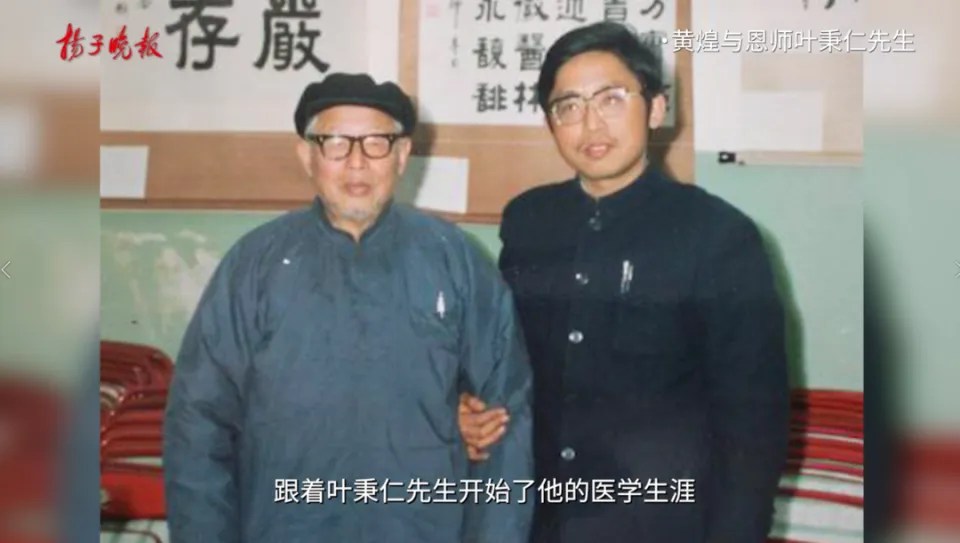
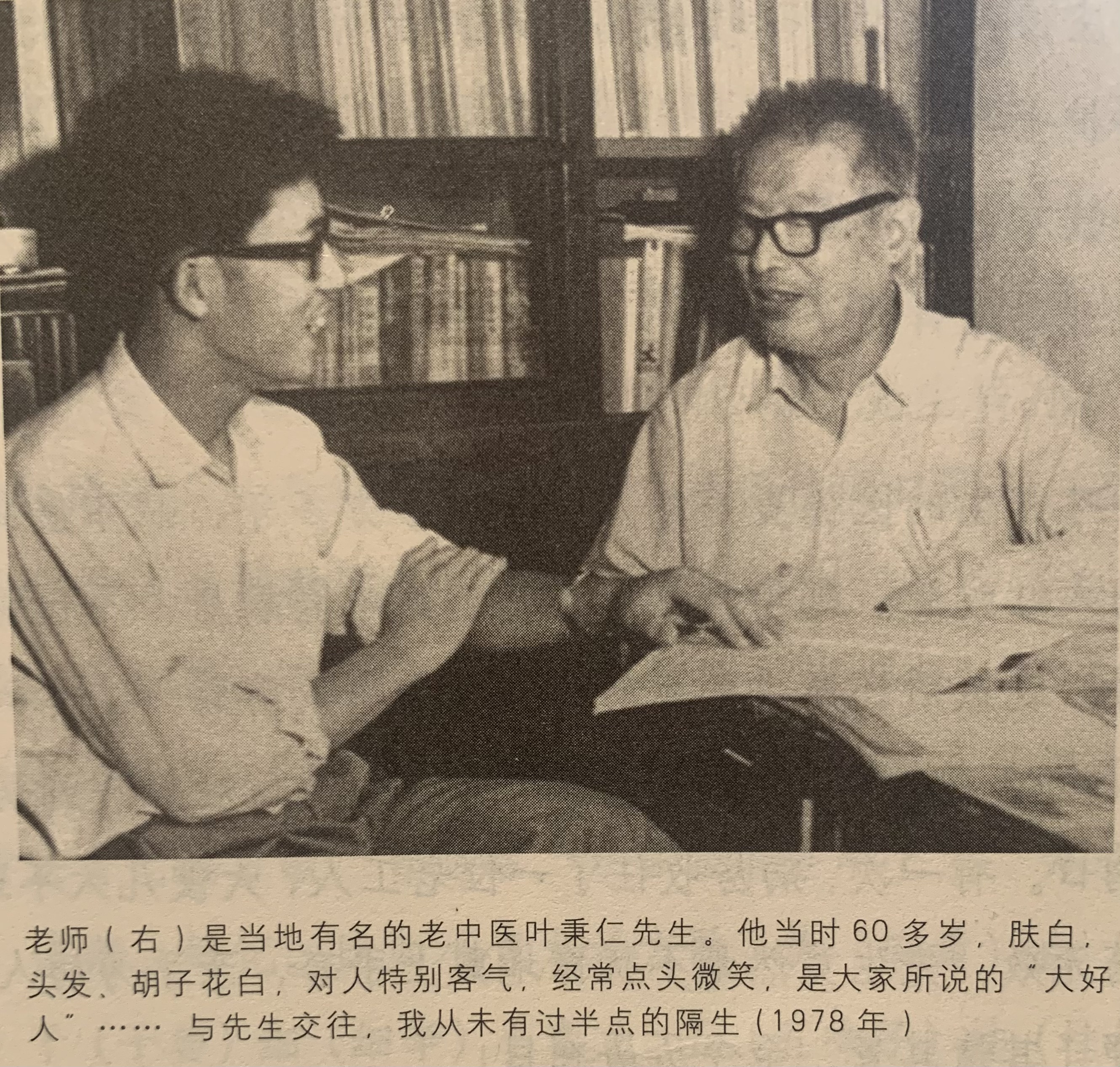
Ye Bingren (1908–1994), originally named Ye Bingcheng, was a native of Huashi, Jiangyin, Jiangsu Province, and was recognized as one of Jiangsu’s first distinguished Chinese medicine practitioners. 

Ye devoted his life to clinical exploration in integrated Chinese and Western medicine and was recognized as a pioneer of this approach in Jiangyin’s Chinese medicine community. Ye Bingren was my teacher Professor Huang Huang’s first mentor in his own medical studies, and from 1973 onward, Professor Huang followed him at the Jiangyin Traditional Chinese Medicine Hospital, studying both Chinese and Western internal medicine for over six years.

Ye excelled in integrating Chinese and Western medicine, particularly in treating severe and critical conditions, and had extensive clinical experience in this field. He did not rigidly adhere to any single school or doctrine, skillfully utilizing classical formulas (jingfang), contemporary prescriptions, folk remedies, and herbal medicine. However, in Huang Huang’s view, his application of classical formulas was particularly distinctive. Practicing medicine for nearly 60 years, he saved countless lives using both Chinese and Western medical methods. He was one of the few senior Chinese medicine practitioners capable of handling emergency cases, outpatient consultations, and inpatient care.

The book Ye Bingren’s Medical Theories and Case Studies compiles and organizes his clinical experience, providing valuable insights for practitioners.

Case #1: A Malaria Case (Ye Bingren)

In the autumn of 1941, in Gongjia Alley, Huashi, Gong, who had recently married, suddenly developed chills followed by high fever and severe headaches, as if his head were splitting. After sweating, the fever subsided slightly, but the attacks recurred multiple times a day. On the fourth day, he fell into a coma. His relatives and father-in-law, who were knowledgeable in medicine, consulted renowned local physicians, all of whom diagnosed the condition as summer-heat disease, but their treatments yielded no improvement.

One evening, as the sun was setting, I was invited to examine him. I arrived to find his family gathered in panic. The patient was unconscious, but his pupils showed no abnormalities. His tongue was pale, indicating deficiency of qi and blood. His abdomen was full but not tender upon pressure, and a palpable mass was evident beneath his left ribs. Having treated similar cases successfully before, I determined that the condition was not beyond cure. The previous physicians had mistakenly attributed the illness to the six climatic factors, failing to recognize it as malarial toxin.

I prescribed a modified combination of Xiao Chai Hu Tang and Da Yuan Yin, adding Shi Chang Pu and Yu Jin. After four doses, the fever reduced, and his consciousness gradually returned. Upon the next consultation, his tongue coating was thick and turbid, and he passed foul gas, indicating a Shaoyang-Yangming combination disorder. I then prescribed Da Chai Hu Tang to purge the intestines and clear heat. After completing the prescription, his bowels moved, the fever subsided, and he recovered.

(Ye Bingren’s Medical Theories and Cases)

Commentary:
The term “pattern” (zheng) in pattern-based formulas refers to the clinical evidence used to select a formula. Disease names are crucial diagnostic evidence. The key to success in this case was the clear diagnosis of malaria, leading to the effective use of Xiao Chai Hu Tang combined with Da Yuan Yin. Classical texts describe Xiao Chai Hu Tang as treating “alternating chills and fever” that “stop and start periodically,” which aligns with malaria’s cyclic chills, fever, and sweating. The symptom “fullness in the chest and rib-sides“ also corresponds to splenomegaly and hepatomegaly seen in malaria. Later generations of physicians frequently used Xiao Chai Hu Tang for malaria.

As for Da Yuan Yin, it originates from the Wen Yi Lun (Treatise on Epidemic Diseases) and is essentially a modified version of Huang Qin Tang, serving as a fundamental formula for febrile diseases. The combination of these two formulas effectively clears heat and expels pathogens, leading to the patient’s rapid recovery.

***********************************************************************

Case #2: Persistent Dysentery Due to Yang Deficiency with Lingering Toxins (By Ye Bingren)

Patient: Hu, male, 6 years old.
Year: 1942, late summer to early autumn.

The child had been suffering from dysentery for several months, with little improvement despite various treatments. By the time he sought my care, he was severely emaciated, his eyes lacked vitality, and he was passing bloody and mucus-filled stools with abdominal pain. Additionally, rectal prolapse was observed.

Upon examination, his hands and feet were cold, his pulse was deep and thin, and his tongue was pale red with a glossy, peeled coating at the front and mixed yellow-white coating at the root. This indicated a condition of yang deficiency with lingering toxins, involving both deficiency and excess.

Treatment:

The approach required both warming and clearing therapies, so I prescribed a modified version of Baitouweng Tang from the Bei Ji Qian Jin Yao Fang, removing Houpo and Longgu.

Prescription:

  • Baitouweng 10g
  • Qinpi 10g
  • Huangbai 6g
  • Huanglian 3g
  • Ganjiang 2g
  • Danggui 10g
  • Zhigancao 3g
  • A small amount of Japonica Rice
  • Ejiao 10g
  • Chishizhi 20g
  • Danfu Pian 6g
  • Fuling 12g
  • Hongzao 4 pieces

Outcome:
After three doses, the child’s body temperature normalized, pulse became stronger, and rectal prolapse resolved. Another three doses stopped the dysentery completely, and his appetite greatly improved. With further dietary adjustments, he made a full recovery. (From Ye Bingren’s Medical Theory and Cases.)

Commentary:

This case involves a complex pattern of pathogenic heat entering the jueyin and shaoyin conformations, causing dysentery with cold extremities and yang deficiency.

  • Heat toxin damaging the lower burner’s blood level → bloody mucus stools
  • Jueyin qi rebellion → abdominal pain
  • Shaoyin cold transformation → fatigue, cold limbs, deep thin pulse

Because the condition involved both heat and cold, excess and deficiency, neither pure warming nor pure clearing methods would have been effective. Instead, a balanced formula combining warming, clearing, tonifying, and astringing herbs was used.

Therefore, I prescribed Bai Tou Weng Tang from the Bei Ji Qian Jin Yao Fang as it was quite suitable. This formula is derived from the Shang Han Lun’s Bai Tou Weng Tang, Si Ni Tang, and Huai Hua Tang, combined with Zhu Che Wan from the Bei Ji Qian Jin Yao Fang, and modified with Hou Po and Sheng Long Gu. The purpose of this combination is to use Bai Tou Weng to clear and expel the heat toxin from the intestines, Si Ni Tang to restore yang and rescue from reversal, Dang Gui and E Jiao to nourish yin and blood, and Huai Hua Tang to astringe and consolidate. By using both warming and clearing herbs together, addressing both deficiency and excess, the treatment achieves rapid results. This method reflects the effective practices learned from the experiences of later practitioners.

Chaihu Guizhi Ganjiang Tang [柴胡桂枝干姜汤] in the treatment of skin disorders

伤寒论六经辨证与方证新探——经方辨治皮肤病心法

欧阳卫权著

The following translation is taken from Ouyang Weiquan’s ‘Exploration of Cold Damage Six-Conformation Pattern Differentiation and Formula Presentations – Jingfang Approach to the Identification and Treatment of Skin Diseases.’ 

Chaihu Guizhi Ganjiang Tang [柴胡桂枝干姜汤]

皮肤病辨治心法

1.不论何种皮肤病、何种皮损,凡见太阴里虚寒证又见上热表现者,可考虑本方证。

2.年轻女性面部痤疮、脂溢性皮炎患者,使用本方证机会较多,常合用当归芍药散。

3.系统性红斑狼疮经长期激素治疗,常表现出本方证,临床对证用之,可迅速使皮损消退,改善症状。且坚持服用,各项狼疮指标多能转为正常。

4.其他如荨麻疹、慢性湿疹、银屑病等,皆有使用机会。

Approach to Identifying and Treating Skin Diseases

  1. Regardless of the type of skin disease or lesion, if there is a presentation of interior cold deficiency in the Taiyin channel along with symptoms of heat in the upper body, this formula can be considered.
  2. This formula is frequently used for young women with facial acne or seborrheic dermatitis and is often combined with Dang Gui Shao Yao San.
  3. Patients with systemic lupus erythematosus (SLE) who have undergone long-term corticosteroid treatment often present symptoms corresponding to this formula. Clinically, using this formula based on the diagnosis can quickly reduce skin lesions, alleviate symptoms, and, with consistent use, normalize various lupus-related indicators.
  4. Other conditions such as urticaria, chronic eczema, and psoriasis may also benefit from this formula.

医案实录

1.系统性红斑狼疮(柴胡桂枝干姜汤合当归芍药散)

杨某,女性,51岁,2005年5月13日初诊。系统性红斑狼疮

(SLE)病史13年。一直在风湿科、内科等中西医治疗,病情较稳定,现服泼尼松用量10mg/d。但患者四肢关节痛、颈、背痛不能缓解已2年余。现双肘、腕、指关节及双膝、踝关节疼痛、颈、背痛。稍怕冷,纳可,口稍干不欲饮,饮则喜温,小便少。舌暗红苔白,脉沉细。处方柴胡桂枝干姜汤合当归芍药散加味:

柴胡10g,桂枝9g,干姜4g,黄芩10g,甘草5g,花粉15g,牡蛎(先煎)20g,当归10g,白芍10g,川芎4g,茯苓15g,白术10g,泽泻10g,葛根12g,7剂。

Case Study

Systemic Lupus Erythematosus (SLE) Treated with Chai Hu Gui Zhi Gan Jiang Tang Combined with Dang Gui Shao Yao San

Yang, female, 51 years old. Initial consultation: May 13, 2005.
History of systemic lupus erythematosus (SLE) for 13 years. Previously treated with both Western medicine and Traditional Chinese Medicine in the rheumatology and internal medicine departments, with relatively stable disease progression. Currently taking 10 mg/day of prednisone.
However, the patient had been experiencing unrelieved joint pain in the limbs, neck, and back for over two years. Symptoms included pain in the elbows, wrists, finger joints, knees, and ankles, along with neck and back pain. She reported slight sensitivity to cold, normal appetite, slight dry mouth with no desire to drink, preference for warm drinks, and reduced urination. Tongue was dark red with a white coating, and the pulse was deep and thin.

Prescription:

Chai Hu Gui Zhi Gan Jiang Tang combined with Dang Gui Shao Yao San with modifications:

  • Chai Hu 10g
  • Gui Zhi 9g
  • Gan Jiang 4g
  • Huang Qin 10g
  • Gan Cao 5g
  • Tian Hua Fen 15g
  • Mu Li (pre-cooked) 20g
  • Dang Gui 10g
  • Bai Shao 10g
  • Chuan Xiong 4g
  • Fu Ling 15g
  • Bai Zhu 10g
  • Ze Xie 10g
  • Ge Gen 12g

Seven doses were prescribed.

患者服后感觉效果非常好,又自购药服12剂。药后明显好转,四肢关节及颈背痛基本消失,不觉怕冷,精神较佳,口干明显,舌暗红,苔中黄,脉细。前方加生石膏20g。上方服至2005年7月15日。诉服后关节痛全消,无其他不适,精神佳。遂改泼尼松为5mg/d。前方去石膏,继服巩固。

After taking the formula, the patient reported significant improvement. She obtained an additional 12 doses on her own. After taking the formula her joint pain in the limbs and neck/back had almost completely disappeared. Cold sensitivity was no longer noticeable, her energy levels had improved, and her dry mouth had markedly lessened. Her tongue was dark red with a yellowish coating, and her pulse was thin. 20g ofShi Gao was added to the previous formula.

The patient continued this treatment until July 15, 2005. By then, joint pain was completely resolved, and no other discomfort was reported. Her energy levels remained good. The dosage of prednisone was reduced to 5 mg/day. The prescription was adjusted by removing Shi Gao and continued as a consolidation treatment.

【按】

柴胡桂枝干姜汤见《伤寒论》第147条:“伤寒五六日,已发汗而复下之,胸胁满微结,小便不利,渴而不呕,但头汗出,往来寒热,心烦者,此为未解也,柴胡桂枝干姜汤主之。”为治热郁少阳,枢机不利,又兼太阴脾寒,水饮内伏之病变。胡希恕以此方合当归芍药散治疗SLE属血虚水盛、邪郁少阳证者多有效。笔者临床观察,SLE经西药激素控制稳定后常现本方证,依证用药确有效验。

Commentary:

The formula Chai Hu Gui Zhi Gan Jiang Tang originates from the Shang Han Lun, Clause 147, where is says:

“In cold damage that has lasted five or six days, sweating has already been promoted followed by purgation, and there is fullness and mild congestion in chest and ribs, with inhibited urination, thirst but no vomiting, and only the head is sweating, with alternating cold and heat, and heart vexation, this means that [the pattern] has not yet resolved, and Chaihu Guizhi Ganjiang Tang governs.”

 This formula addresses Shaoyang depressed heat with inhibition of the pivot mechanism combined with Taiyin spleen cold and internal deep-lying water-rheum. Hu Xishu frequently combined this formula with Dang Gui Shao Yao San to treat SLE presenting with blood deficiency, exuberant water, and Shaoyang depressed heat, with notable efficacy.

The authors own clinical observations suggest that after systemic lupus erythematosus (SLE) is stabilized with corticosteroid treatment, symptoms often align with the pattern corresponding to this formula presentation. Using the formula according to the pattern has proven to be effective.

Typical Abdominal Diagnosis Cases: Da Chai Hu Tang and Tao He Cheng Qi Tang Case Example

Original Work by Keisetsu Ōtsuka, with translation [from Japanese to Chinese] and commentary by Wang Ningyuan: Kampo and Abdominal Diagnosis

Primary Gangrene of the Left Big Toe

The patient is a 52-year-old male with a good complexion and obesity.

Two years prior, he began experiencing pain in the left big toe, which was diagnosed as primary gangrene.
At the same time, there was swelling and hardness near the left lower abdomen close to the iliac fossa, accompanied by tenderness. After being examined by a renowned surgeon, exploratory laparotomy was performed but no abnormal lesions were found.

Initial Consultation: November 7, 1925

  • Pulse: Left side was deep and choppy; right side was deep and small.
  • Blood Pressure: 112/70 mmHg.
  • Symptoms: The left dorsal artery of the foot was undetectable. The left big toe appeared purplish, with blackened toenails. The degree of pain fluctuated and worsened after exertion, significantly impacting sleep due to the pain.

Abdominal Diagnosis 

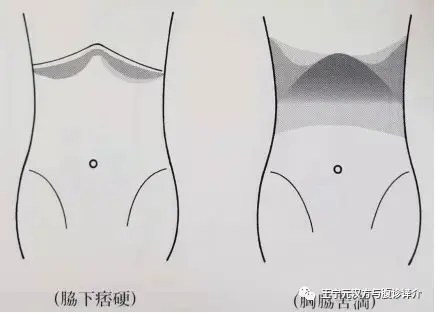
On the right side, there was fullness and discomfort in the chest and hypochondrium. In the lower left abdomen, at the site of the previous surgery, there was resistance and tenderness.

The patient had bowel movements once a day, but they were not smooth.

I considered the resistance and tenderness in the left lower abdomen to be an abdominal sign of blood stasis. The resistance and tenderness, which were previously suspected by the surgeon to indicate a tumor, may also have been due to blood stasis.

Based on the signs of right-sided chest and hypochondriac fullness and the abdominal sign of blood stasis, I prescribed a combination of Da Chai Hu Tang and Tao He Cheng Qi Tang.

Course of Treatment

  • One week later: No significant changes.
  • Ten days later: The affected foot felt lighter, and the pain lessened.
  • After about two months: The color of the toenails improved, and the patient reported almost no pain. However, the dorsal artery of the foot remained undetectable.
  • After about ten months: The affected toe started showing a reddish color, the toenails turned pink, and although weak, the pulse of the dorsal artery became palpable.

Later, the patient developed swelling in the right knee joint and was treated with Yue Bi Jia Zhu Tang for about three weeks, which resolved the condition.

It has now been eight years, and the gangrene has not recurred.

— From Thirty Years of Kampo Clinical Practice, authored by Keisetsu Ōtsuka, translated by Wang Ningyuan

Medical Case of Professor Huang Shipei: With an 89-Year-Old Patient – Would You Dare Use 20g of Dahuang?

黄仕沛系广州市名中医,广州中医药大学兼职副教授,南京中医药大学客座教授,十三行国医馆名誉馆长,当代经方临床大家,著名经方学者。学术上独尊经方,推崇“方证对应”,临床以大剂著称,著有《黄仕沛经方亦步亦趋录》、《黄仕沛经方亦步亦趋录(续)》、《梦回伤寒四大金刚》、《黄仕沛经方师传录》。

Professor Huang Shipei is a renowned traditional Chinese medicine (TCM) doctor in Guangzhou, a part-time associate professor at Guangzhou University of Chinese Medicine, a visiting professor at Nanjing University of Chinese Medicine, and an honorary director at the Thirteen Halls National Medical Museum. He is a contemporary expert in classical formulas (Jingfang) and a famous scholar in the field. Academically, he exclusively focuses on classical formulas, advocating the “correspondence between formula and symptoms” approach. His clinical practice is notable for using large doses, and he has authored several books, including “Huang Shipei’s Follow-up Records of Classical Formulas,” “Huang Shipei’s Follow-up Records of Classical Formulas (Continued),” “Dreaming of the Four Great Masters of Shanghan,” and “Huang Shipei’s Record of Teaching and Transmission of Classical Formulas.”

何某,女性,89岁。因有老年性痴呆病史,长期居住老人院。2010年7月13日开始出现食入即吐,腹胀满,大便秘结,当时无寒战发热,无腹痛、呕血、黑便等不适。即由家属送至我市某三甲医院住院,行血常规,WBC:11.98*109/L,NE:84.7%,腹部CT:不完全性肠梗阻。因患者高龄,不能耐受手术,暂予禁食,抗感染,补液支持为主,并予桃核承气汤及开塞露,灌肠。

Case Study:

He, female, 89 years old. 

Senile dementia, long-term resident in a nursing home.

From July 13, 2010, she started experiencing vomiting immediately after eating, abdominal distension and fullness, as well as constipation. No chills, fever, abdominal pain, hematemesis, or melena were reported. Her family took her to a tertiary hospital in our city, where she was admitted. Blood tests showed WBC: 11.98*10^9/L and NE: 84.7%. Abdominal CT indicated partial intestinal obstruction. Due to her advanced age and inability to tolerate surgery, she was treated with fasting, antibiotics, fluid infusions, and given Taohe Chengqi Tang to open the stoppage as well as enemas.

灌肠后,可解少量硬便,但如是治疗十余日后,患者食入即吐及腹胀满症状未见好转,家属要求转我院继续治疗。入院时患者暂无呕吐,腹胀满而不痛,复查腹平片仍提示不全肠梗阻,仍予禁食及补液。

Following the enema, she was able to pass a small amount of hard stool. However, after over ten days of treatment, her symptoms of vomiting after eating and abdominal distension did not improve, and her family requested a transfer to our hospital for further treatment. Upon admission, she had no vomiting but had abdominal fullness and distension without pain. Abdominal X-ray still indicated partial intestinal obstruction, so fasting and fluid infusions were continued.

主管医师与黄仕沛教授短信联系,问其能否继续予承气汤类中药内服及灌肠,黄师认为此患者无腹痛,以胀满为主,非痞、满、燥、实、坚的大承气汤证。此患者老年体虚,虽腹胀、便秘、呕吐,但无明显腹痛,其肠梗阻的主要原因考虑为肠麻痹引起,动力不足所致。而此患者在外院已反复攻下而不愈,其虚证更明显。虽有便秘等可下之证,但并非具大承气汤痞、满、燥、实、坚之证,更不是第106条“热结膀胱,其人如狂……但少腹急结”下焦瘀血的桃核承气汤证。可试以厚朴生姜半夏甘草人参汤合小承气汤。

The attending physician contacted Professor Huang Shipei via text message, asking whether the patient could continue taking a Chengqi Tang type of formula and the enemas. Professor Huang believed that this patient, who mainly suffers from bloating without abdominal pain, does not exhibit the symptoms typically treated by a Da Chengqi Tang pattern, such as glomus, fullness, dryness, and hardness. This elderly patient is physically weak and although experiences bloating, constipation, and vomiting, does not have obvious abdominal pain. The primary cause of the patient’s intestinal obstruction is likely intestinal paralysis, resulting in insufficient motility. The patient has undergone repeated purgative treatments at another hospital without recovery, which has further weakened her condition. Although there are symptoms of constipation that might suggest a purgative treatment, the patient does not exhibit the specific symptoms required for Da Chengqi Tang [such as] glomus, fullness, dryness, and hardness, nor the pattern described in line 106 of the Shanghan Lun [where it states] “Heat accumulation in the bladder, causing the person to be manic… with a tense and firm lower abdomen,” which would indicate a Taohe Chengqi Tang pattern of static blood in the lower burner.  He suggested trying a combination of Houpo Shengjiang Banxia Gancao Renshen Tang and Xiao Chengqi Tang:

处方:

法夏24g,炙甘草12g,党参30g,厚朴25g(后下),生地45g,生姜15g,枳实30g,大黄20g(后下)。服第1剂药后,次晨解黑褐色烂便1次,量约100ml,并予开塞露,灌肠后,又解黑褐色烂便1次,量约200ml。如是共服药5天,每天均有大便解出,腹胀消。本欲复查腹平片评价患者肠梗阻情况,因患者痴呆,近日精神好转后,烦躁乱动,不能配合拍片,暂未予。尝试予少量进食,食后无呕吐。得泻后,改予小柴胡汤,处方:柴胡24g,黄芩15g,法夏24g,党参30g,大枣15g,炙甘草15g,厚朴(后下)20g,枳实20g。住院15天,可进食,无呕吐,大便每日可解,予出院。

Formula

  • Banxia 24g
  • Zhi Gancao 12g
  • Dangshen 30g
  • Houpo 25g (added later)
  • Shengdi 45g
  • Shengjiang 15g
  • Zhishi 30g
  • Dahuang 20g (added later)

After taking the first dose, the next morning, she passed about 100ml of blackish-brown loose stool. After another enema, she passed about 200ml of blackish-brown loose stool again. She continued this treatment for five days, with daily bowel movements and reduced abdominal distension.

We originally planned to conduct an abdominal X-ray to assess the patient’s intestinal obstruction. However, due to the patient’s dementia and recent improvement in mental state, the patient became agitated and restless, making it difficult to cooperate for the imaging, so it was temporarily postponed. We attempted to give the patient a small amount of food, and there was no vomiting after eating. After the patient had a bowel movement, we switched to Xiao Chaihu Tang.

  • Chaihu 24g
  • Huangqin 15g
  • Banxia 24g
  • Dangshen 30g
  • Dazao 15g
  • Zhi Gancao 15g
  • Houpo (added later) 20g
  • Zhishi 20g

After 15 days of hospitalization, she could eat without vomiting and had daily bowel movements, leading to her discharge.

The Fire Spirit Schools Emphasis on Kidney Yang 

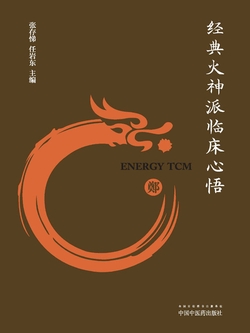
Taken from ‘Classical Clinical Insights from the Fire Spirit Current’ by Zhang Cun’ti [张存悌, 经典火神派临床心悟]

Yang qi is divided into upper, middle, and lower parts. The upper burner contains the Yang of the heart and lungs, the middle burner contains the Yang of the spleen and stomach, and the lower burner contains the Yang of the liver and kidneys. “The lower Yang is the root of the Yang of the upper and middle burners,” signifies that the Kidney Yang in the lower burner is the root of Yang qi in the upper and middle burners. In other words, among all types of Yang qi, Zheng Qin’an particularly emphasized the role of Kidney Yang. “A person’s life and destiny rely entirely on the single Yang [line] in the Kan hexagram,” indicating that Kidney Yang is the fundamental source of Yang qi in the human body and the root of life and destiny. This also forms the theoretical basis for his advocacy of using Fuzi and Sini-type prescriptions to warm and support Kidney Yang.

圖友人黄某,乙酉九月患腹痛,每食甜物少愈。医者以为燥也,用甘润之药不效。旋用下药,痛益甚。延子诊视,六脉细小,喜按,口淡,倦怠,断为寒证。投以理中汤加木香,旋止旋发,夜间更甚。予曰:“夜为阴,阴寒盛,夜间痛更甚也。”用通脉四逆汤加白芍,十余服痊愈。(易巨荪治案)

A friend named Mr. Huang suffered from abdominal pain in the ninth month of the Yiyou year. The pain lessened whenever he ate sweet foods. Doctors believed it to be dryness and used sweet and moistening medicines to no avail. Subsequently, they used purgative medicines, which worsened the pain. Upon examination, all six of his pulses were thin and small, he liked pressure on the abdomen, had a bland taste in his mouth, and felt fatigued. I diagnosed it as a cold condition. I prescribed Lizhong Tang with added Mu Xiang, which provided temporary relief but the pain recurred, especially at night. I said, “Night is Yin time, and Yin cold is prevalent, hence the pain worsens at night.” I then used Tongmai Sini Tang with added Baishao, and after more than ten doses, he fully recovered. (Case of Yi Jusun)

张存悌按(以下简称张按):此案腹痛,先从中阳论治,“投以理中汤加木香,旋止旋发”。以“夜为阴,阴寒盛,夜间痛更甚”为辨证眼目,专力扶肾阳,用通脉四逆汤加白芍而愈,值得揣摩。

Commentary by Zhang Cunti

In this case of abdominal pain, the initial treatment focused on the Yang of the middle burner with “Lizhong Tang plus Mu Xiang,” which provided temporary relief. The key to the differentiating [factor of the] pattern was that “night is Yin, and Yin cold is prevalent at night, hence the pain worsens at night,” leading to the decision to specifically support Kidney Yang using Tongmai Sini Tang with added Baishao, resulting in the resolution [of the condition]. This approach is worth pondering.

Cinnamon Twig Decoction (guì zhī tāng)

The following is a very small snippet of the common cold/influenza section from our translation of Professor Huáng Huáng’s latest book, which will be published and released in January 2024 by Eastland Press. I am so honoured to have been a part of the translation team for this beautiful book alongside Daniel Eng and Craig Mitchell. Hope you enjoy.

Indications: Used for deficient patients who have come down with the common cold. This formula is commonly used for common colds in patients who have had major illnesses, surgery, chemotherapy, excessive medications, are menstruating or are postpartum, have congenital weaknesses, are debilitated, elderly, or are frequently ill. It has been observed in clinical practice that many of these patients do not present with obvious fevers, but instead with fear of cold, weakness, a runny nose with clear mucus, and a pale and dark tongue; These patients commonly experience spontaneous sweating, an aversion to drafts, fever or a subjective sensation of being hot, a feeling of upward surging, palpitations, and a floating, weak and slack pulse.

Important Issues: After taking the formula, one should drink hot congee. The congee can be made of millet or rice, which should be cooked over a gentle heat until the grain has broken down completely. The second important issue is that drafts and cold should be avoided, and ideally one should cover up until a sweat has been obtained. The third is that the patient should be advised to consume light and bland food and drink in order to avoid any extra burden on the digestive system.

Usage And Modifications:

1. This is an ancient formula used for strengthening and fatigue recovery. It is applicable for diseases with signs and symptoms of palpitations, abdominal pain, spontaneous sweating, emaciation, a weak pulse, etc. It can also adjust and regulate a weak and deficient constitution. It is unsuitable for overweight patients or those with edema.

2. Modifications:

• For fatigue, profuse sweating, and cold and painful joints, add Aconiti Radix lateralis praeparata (zhì fù zǐ) 10g.

• For profuse sweating and a sallow complexion, add Astragali Radix (huáng qí) 15g.

With emaciation and a poor appetite, add Codonopsis Radix (dǎng shēn) 15g

With stiffness and pain in the nape and back, dizziness and headache, add Puerariae Radix (gé gēn) 30g.

Representative Case History:

Fifty-four-year-old female, 156cm/64kg.

Initial consultation on September 27, 2014.

History: Sinusitis for over 20 years, with a weekly tendency to catch a cold. With these colds she would experience headaches, frequent sneezing, an aversion to drafts, and sweating from the head. She would also be hungry easily, crave sweet foods, and have a difficult time falling asleep.

Signs: dark, red complexion; dark and dull lips; dark, red tongue; a thick tongue coating; and a moderate pulse, at 72 beats per minute.

Prescription: Cinnamomi Ramulus (guì zhī) 10g, Cinnamomi Cortex (ròu guì) 5g, Paeoniae Radix alba (bái sháo) 15g, Zingiberis Rhizoma (gān jiāng) 5g, Jujubae Fructus (dà zǎo) 30g, Glycyrrhizae Radix (gān cǎo) 10g, Astragali Radix (huáng qí) 30g; 10 packets; 5 days on and 2 days off.

Second consultation on October 7, 2014: After taking the formula, she did not sneeze, and had not contracted a common cold in 7 days. Her appetite and sleep were improved, yet she still woke easily. She continued with another 15 packets of the same formula, one packet taken every other day.

Transformative Tales: Harnessing the Power of Chinese Medicine – Two Remarkable Case Studies

I’d like to share two cases from my personal clinic, involving patients I saw this week for follow-up after they started their Chinese herbal formulas. The first patient had never tried Chinese herbs before, so this was a new experience for her. The second patient, of Chinese descent, had grown up taking herbs her grandmother would prepare for her, so she was quite used to the ‘deliciousness’ of the herbs. The purpose of these two cases is to illustrate the remarkable effectiveness of Chinese herbal medicine, especially in situations where their allopathic physicians had few treatment options to offer.

In a follow up post, I will discuss my reasoning for the formula selections as well as the underlying mechanisms involved.

Case 1

Initial consultation on August 25, 2023.

A 43-year-old female presented with a longstanding issue of pain in her hands that had been bothering her for over 15 years, and it had recently worsened. This pain was significantly affecting her ability to work, as she is a sculptor and a professor. She had been managing the pain with Ibuprofen, but this approach had become less effective in recent times.

The pain was localized exclusively to her hands and would cause them to swell up easily, appearing “puffy” without any noticeable discoloration. This pain also had a negative impact on her range of motion and grip strength, which was affecting her ability to engage in activities such as swimming. Rest provided some relief from the pain. Additionally, she was experiencing edema in her feet and hands and had frequent and inhibited urination. She also reported occasional dry mouth and thirst, and her hands, feet, and nose would become cold while the rest of her body remained warm.

Despite these discomforts, she maintained a good appetite without experiencing bloating. She mentioned being a light sleeper and often woke up due to the pain. The patient also had varicose veins and spider veins, dry heels, and occasional headaches. She had a tendency to sweat easily.

Notably, there were no complaints of dizziness or palpitations, and while she experienced occasional nausea, it was not a frequent occurrence. Her bowel movements were regular. The consultation was conducted via video, so no pulse reading was performed.

Formula: Fangji Huangqi Tang + Wuling San + Guizhi Fuling Wan

Fangji 18g
Huangqi 25g
Cangzhu 20g
Gancao 15g
Ganjiang 18g
Fuling 20g
Zhuling 18g
Zexie 25g
Guizhi 20g
Chishao 20g
Mudanpi 20g
Taoren 18g

Raw herb powder – 9g daily.

Follow-up on September 29, 2023. The patient reported significant improvement. After just one week on the prescribed formula, the pain in her hands had subsided dramatically, and she has not experienced any soreness or flares since then. She has not needed any pain medication and was able to swim and work without any issues. The swelling in her hands and feet had also reduced, with a more substantial improvement in her hands. Urination was less inhibited and easier, and all other symptoms were under control.

The same formula was continued for the time being, with a follow-up scheduled for November.

Case 2

Initial consultation on August 25, 2023.

A 37-year-old female presented with a chronic issue of dry eyes that had been troubling her for several years. Notably, the condition had been progressively worsening over the past few months. Her eyes would frequently become red, feel gritty, and occasionally produce excess tears, although this excessive tearing did not alleviate the dryness. She found wearing contact lenses uncomfortable. She had undergone a procedure before COVID to address potential blockages, but it had provided limited relief, and she had not pursued any further procedures since then. She also experienced frontal headaches, which were related to eye strain. She had a tendency to feel cold easily, suffered from hot flashes preceding her menstrual period, and had regular bouts of constipation, with a bowel movement occurring every other day. Additionally, she complained of dryness in her mouth and throat. She had previously received treatment for dizziness, which was no longer a concern. There were no issues with nausea, night sweats, palpitations, sleep quality, or appetite, and she did not experience reflux. Pulses were deep-thin and wiry bilaterally.

Formula: Wen Jing Tang (standard doses), with the addition of Gegen (25g) and Juhua (20g). Raw herb powder – 8g daily.

Follow-up on September 29, 2023: the patient reported experiencing several good days over the past month when her eyes felt great. While there were still some bad days, these were often associated with increased screen time and the quality of her sleep the night before. The redness in her eyes had significantly reduced, and they were no longer gritty. She also noticed that she could lubricate her eyes more easily with a few blinks, whereas previously, it took several minutes. Although there was improvement in her bowel movements, they were not yet perfect. She had also observed a warm sensation throughout her body after drinking the formula, and her general sensitivity to cold had improved. The patient had recently experienced a canker sore outbreak, and had neglected to mention during the previous visit that this was a relatively common experience during times of stress. A week prior to the follow-up appointment, she had undergone an eye assessment, which diagnosed her with moderate-severe dry eye syndrome. Treatment options involving invasive procedures were offered, but given the positive effects of the herbs thus far, she opted to monitor her progress over the next few months before deciding on any further procedures. The same formula was continued, with Wuzhuyu reduced to 6g and the addition of Huanglian (6g) and Zhishi (18g). 

Fú Líng Yǐn (Poria Drink) 茯苓饮

Today, I am eager to share some insights and offer a comprehensive overview of a formula that often goes overlooked but possesses remarkable effectiveness. Through the presentation of its original lines, patient characteristics, suitable conditions, and a case study, my aim is to illuminate the precise contexts, timing, and rationales behind the application of this formula.

治心胸中有停痰宿水,自吐出水後,心胸間虛,氣滿不能食,消痰氣,令能食。
A treatment for collected phlegm and abiding water in the heart and chest with a vacuity of the
heart and chest, fullness of qi, and an inability to eat following the spontaneous vomiting of water.
[This formula] disperses phlegm-qi, and enables one to eat.

Jingui Yaolue 12

Composition:

Fu Ling 3 liang
Ren Shen 3 liang
Bai Zhu 3 liang
Zhi Shi 2 liang
Ju Pi 2.5 liang
Sheng Jiang 4 liang

Formula Presentation:

  • Stifling sensation in the chest
  • Abdominal distention
  • Vomiting of watery mucus
  • The sound of splashing water in the stomach
  • Poor appetite.

Patient Characteristics:

Emaciation: gaunt appearance, a pale and sallow complexion that lacks luster, dusky pale lips and tongue or a slight degree of superficial facial edema.

Digestive upset: lack of appetite, a loss of hunger sensation or abdominal fullness and discomfort after eating, frequent belching, a bitter taste in the mouth, vomiting of fluids, acid reflux, and heartburn. The tongue coating will be thick and could also be white and/or greasy.

Stoppage of fluids in the stomach: a soft abdominal wall that lacks resistance or one that although tight has a sense of nothing underneath; this is most often observed along with splash sounds in the stomach and accumulations of qi in the upper abdomen.

Suitable Conditions

Digestive diseases including gastric diseases such as gastric prolapse, gastric atony, chronic gastritis, peptic ulcers, gastric injury from NSAIDs, and anorexia; intestinal diseases such as pediatric diarrhea, irritable bowel syndrome, habitual constipation; chronic pancreatitis, and post-operative abdominal pain.

Other disorders including cardiac insufficiency, breast lobular hyperplasia, fibroadenomas of the breast, uterine prolapse, hypotension, motion sickness, eczema, and chilblains.

Commentary by Huang Huang

Great formula for gastric motility and is able to speed up gastric emptying and eliminate fluids retained in the stomach. In this way it restores the appetite. Patients are usually thin and weak with flat abdomens, abdominal walls that lack elasticity, and prominent splash sounds in the stomach. If these weak patients are mistakenly given enriching and tonifying substances, it can result in ascending fire with them feeling upset, irritable, and restless.

Patients typically experience abdominal distention right after eating and complain of a strong sense of pressure in the chest and abdomen that is slightly relieved by belching. They will vomit up fluids or froth and do not feel hungry. This discomfort in the stomach often leads them to be depressed and anxious and have insomnia, palpitations, lightheadedness, and headache. This can be accompanied by a bitter taste in the mouth and a sense of something being stuck in the throat.

While these patients have a rather thick tongue coating, the tongue body itself is not necessarily swollen and may in fact be thin and small. Usually it tends to be dusky.

Dr. Huang usually increases the dosages of zhǐ shí and chén pí up to 30g each.

Case Study

Li, 39-year-old female, 160cm/48kg.

Initial consultation on January 6, 2017.

History: Two years ago, after giving birth, the patient suffered from depression that manifested as a stifling sensation in the chest, fluttering in the chest, irritability and uneasiness, and a poor appetite. Recently she had experienced epigastric distention and pain that was more pronounced after eating, with occasional acid reflux. Her stools were typically loose, and she was frequently dizzy, had a hard time falling asleep and occasionally had difficulty getting to sleep throughout the night. In addition, she had vitreous opacity and dry eye disease.

Signs: Thin build, sallow complexion with dark spots, splash sounds in the stomach, periumbilical pulsations, red inner eyelids (checked by drawing down the lower lid), a thick-greasy tongue coating, and a weak pulse, which was forceless hardon heavy pressure. Her blood pressure tended to be low.

Prescription: fú líng 40g dǎng shēn 15g, bái zhú 20g, zhǐ ké 20g, chén pí 20g, gān jiāng 5g, guì zhī 15g, zhì gān cǎo) 5g; 10 packets.

Second consultation on February 14, 2017: After taking the formula, her abdominal distention was reduced and her sleep improved. Her tongue coating was still thin, and her facial spots were less dark. The same formula was given, to be taken every other day.