Guìzhī Jiā Lónggǔ Mǔlì Tāng Combined with Líng Guì Zhú Gān Tāng for the Treatment of Palpitations and Vertigo

From ‘The Study of Kampo Clinical Practice and Diagnosis’ by Terasawa Katsutoshi (寺泽捷年), and translated into Chinese by Wang Ningyuan.

A 34-year-old housewife presented with paroxysmal palpitations and vertigo.

Approximately six months earlier, while driving through an intersection on a rainy day, the vehicle in front of her stopped suddenly. She was unable to brake in time and rear-ended the other car. Fortunately, she sustained no obvious injuries, and the accident was resolved without incident. However, following the accident, she began experiencing several episodes of palpitations every day.

During each episode, she felt as though a ball-like object surged upward from the epigastrium and beside the umbilicus toward the chest. Within a few seconds it reached the chest, her pulse gradually accelerated, and palpitations developed, accompanied by a sensation of chest oppression, uneasiness, and vertigo.

When the attacks were mild, this state lasted 10–20 minutes before resolving completely. During more severe attacks, however, she experienced intense anxiety, a sensation of heat in the face, vertigo, and even transient loss of consciousness. She was required to remain in bed for 2–3 hours before recovering. There was no associated nausea or vomiting.

She had previously sought treatment locally. Electrocardiography and other examinations revealed no abnormalities. She was prescribed a sedative, which reduced the severity of the attacks and improved her sleep, but the frequency remained essentially unchanged, with palpitations occurring one to two times daily.

Height: 152 cm
Weight: 45 kg
Blood pressure: 108/72 mmHg
Temperature: 36.7°C
Pulse: 72 beats/min

Her complexion was slightly flushed, the lower limbs were cold, her appearance was otherwise normal, there was sweating of the hands and feet, the pulse was weak, and the tongue was normal with a thin white coating.

Abdominal examination: The abdominal strength was slightly weak.

  • Pulsation above the umbilicus (++) (脐上悸(++)
  • Epigastric pulsation (心下悸)
  • Splashing sound in the stomach (胃部振水音)
  • Tension of the rectus abdominis muscles (腹直肌拘挛)

Abdominal strength: 2/5 (腹力 2/5)

A 24-hour Holter ECG captured changes during an attack. Her resting heart rate was 70 beats/min but gradually increased over several minutes to 120 beats/min, at which point she perceived the palpitations. Ten minutes later, the pulse rate gradually declined and returned to normal. During the attacks there was no hyperventilation. Arterial blood gas analysis, electroencephalography, blood biochemistry, and other investigations revealed no abnormalities.

Discussion

Although this condition resembles paroxysmal tachycardia, it was excluded because the pulse increased gradually rather than abruptly. It must also be differentiated from hyperventilation syndrome; however, there was no hyperventilation during the attacks, and arterial blood gas analysis was normal, allowing this diagnosis to be excluded. The condition would generally be diagnosed as cardiac neurosis or neurosis.

From the perspective of Kampo medicine, this presentation represents the pathological state of Qi Counterflow (Running Piglet Qi, 奔豚气). Most cases of Running Piglet Qi are triggered by events involving intense fear, shock, or frightening memories. In this case, the precipitating factor was becoming the responsible party in a traffic accident.

Treatment Course

The patient was prescribed Guìzhī Jiā Lónggǔ Mǔlì Tāng granules and Língguì Zhúgān Tāng granules, 7.5 g of each daily in three divided doses, while continuing the previously prescribed 2 mg sedative as needed.

On the day treatment began, she noticed warmth returning to her lower limbs. Beginning on the second day, she experienced only one mild attack. During the following two weeks, she had only three attacks in total. After taking a cumulative dose of 10 mg of the sedative, it was discontinued. After one month of treatment, the attacks had almost completely disappeared, and after three months the herbal treatment was discontinued.

This pattern corresponds to the indication for Língguì Gānzǎo Tāng. However, because granules of Língguì Gānzǎo Tāng were unavailable, Guìzhī Jiā Lónggǔ Mǔlì Tāng combined with Língguì Zhúgān Tāng was used as a substitute.

Terasawa Katsutoshi (寺泽捷年)

Born in 1944, Terasawa Katsutoshi is a renowned Japanese Kampo physician and Medical Doctor. He served as Professor of Kampo Medicine at the Graduate School of Chiba University and Director of the Kampo Department at Chiba Central Medical Center. He studied under Fujihira Ken, Ogura Shigenari, and Itō Kiyoo. 

He has held numerous distinguished positions, including Director of the World Health Organization (WHO) Collaborating Centre, Vice President of Toyama Medical and Pharmaceutical University, Director of its affiliated hospital, President of the Japan Society for Oriental Medicine, President of the Society of Japanese and Oriental Medicine, and President of the East Asian Medical Association.

His principal works include Clinical Kampo Medicine (originally published as Kampo Diagnosis and Treatment: Learning from Clinical Cases), Research on Yoshimasu Tōdō: The Thought that Founded Japanese Kampo, Studies on Kampo Abdominal Diagnosis: Mechanisms of Pattern Formation, Complete Translation of Hōgi Zasshi, Complete Translation of Ikai no Tetsuzui, and Supplement to the Iken Collection.

Typical Abdominal Diagnosis Cases: Da Chai Hu Tang and Tao He Cheng Qi Tang Case Example

Original Work by Keisetsu Ōtsuka, with translation [from Japanese to Chinese] and commentary by Wang Ningyuan: Kampo and Abdominal Diagnosis

Primary Gangrene of the Left Big Toe

The patient is a 52-year-old male with a good complexion and obesity.

Two years prior, he began experiencing pain in the left big toe, which was diagnosed as primary gangrene.
At the same time, there was swelling and hardness near the left lower abdomen close to the iliac fossa, accompanied by tenderness. After being examined by a renowned surgeon, exploratory laparotomy was performed but no abnormal lesions were found.

Initial Consultation: November 7, 1925

  • Pulse: Left side was deep and choppy; right side was deep and small.
  • Blood Pressure: 112/70 mmHg.
  • Symptoms: The left dorsal artery of the foot was undetectable. The left big toe appeared purplish, with blackened toenails. The degree of pain fluctuated and worsened after exertion, significantly impacting sleep due to the pain.

Abdominal Diagnosis 

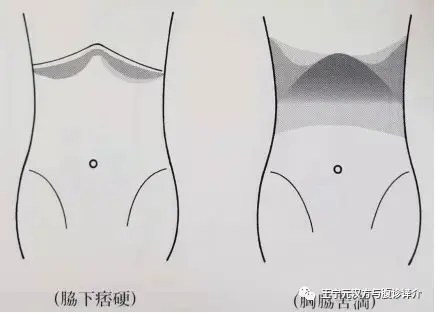
On the right side, there was fullness and discomfort in the chest and hypochondrium. In the lower left abdomen, at the site of the previous surgery, there was resistance and tenderness.

The patient had bowel movements once a day, but they were not smooth.

I considered the resistance and tenderness in the left lower abdomen to be an abdominal sign of blood stasis. The resistance and tenderness, which were previously suspected by the surgeon to indicate a tumor, may also have been due to blood stasis.

Based on the signs of right-sided chest and hypochondriac fullness and the abdominal sign of blood stasis, I prescribed a combination of Da Chai Hu Tang and Tao He Cheng Qi Tang.

Course of Treatment

  • One week later: No significant changes.
  • Ten days later: The affected foot felt lighter, and the pain lessened.
  • After about two months: The color of the toenails improved, and the patient reported almost no pain. However, the dorsal artery of the foot remained undetectable.
  • After about ten months: The affected toe started showing a reddish color, the toenails turned pink, and although weak, the pulse of the dorsal artery became palpable.

Later, the patient developed swelling in the right knee joint and was treated with Yue Bi Jia Zhu Tang for about three weeks, which resolved the condition.

It has now been eight years, and the gangrene has not recurred.

— From Thirty Years of Kampo Clinical Practice, authored by Keisetsu Ōtsuka, translated by Wang Ningyuan

Chronic Hepatitis (A Case by Dōmei Yakazu)

杨大华. 汉方治验选读

慢性肝炎(矢数道明治验) 

48岁妇女,5年前发病。由于有胸不适,右肩酸痛,右颈部肿,右手麻木,微热持续不退,在大学附属医院诊察,诊为急性结核性淋巴结炎,进行了链霉素和对氨基水杨酸钠治疗。 但又引起剧烈的胃障碍,出现严重黄疸,甚为惊恐,又住入其他医院诊为急性肝炎,2个月后出院。

Case taken from “Selected Readings on the Efficacy of Kampo Formulas”, by Yang Dahua

Chronic Hepatitis (A Case by Dōmei Yakazu)

A 48-year-old woman developed symptoms five years ago. She experienced chest discomfort, right shoulder pain, swelling in the right side of her neck, numbness in her right hand, and persistent mild fever. After being examined at a university-affiliated hospital, she was diagnosed with acute tuberculous lymphadenitis and treated with streptomycin and para-aminosalicylic acid. However, this led to severe stomach problems and the onset of serious jaundice. Alarmed, she was admitted to another hospital and diagnosed with acute hepatitis. After two months, she was discharged.

此后5年来,右肩酸痛,右手麻木,浮肿一向不治,过劳淋巴结立即肿大。又胸中苦于胀满,裤带一勒紧即感恶心。 体格、营养状态一般,面色尚可,脉弱,血压正常。心下紧张如板状,有剧烈压痛,右季肋下痛尤为明显。肩酸痛严重时有短气。

Over the following five years, her right shoulder pain, hand numbness, and swelling remained untreated. Her lymph nodes would swell with overwork, and she suffered from a persistent feeling of distention and fullness in her chest, with nausea when tightening her belt. Her physical condition and nutrition were average, her complexion was decent, and her pulse was weak but her blood pressure normal. She had tightness below her chest like a hard plate with intense tenderness on palpation, as well as quite noticeable pain below her right ribs. When the shoulder pain was severe, she would experience shortness of breath.

以上所见正与“心下急,郁郁微烦,胸胁苦满,心下痞硬,呕吐,腹满痛”之大柴胡汤条文几乎一致。由于右肩酸痛与右手麻木、右季肋紧张压痛相互关联,故胸胁苦满有时轻快,有时不轻快。尽管脉较弱,仍与大柴胡汤加葛根5g。 服用本方10日,5年来之肩酸痛、右手麻木、胸闷不舒,几乎痊愈。1个月后,乘汽车、电车晕车亦消失,心下痞硬和苦满等症状好转。服用3个月,宿疾一扫而光,停药。(《临床应用汉方处方解说》) 

The symptoms observed closely align with the [Original] line of Dà Chái Hú Tāng [from the Shang Han Lun]: “Distress below the heart, a feeling of depression and slight vexation, fullness in the chest and rib-sides, hard glomus below the heart, vomiting, and abdominal fullness and pain.” Because of the connection between the right shoulder pain, hand numbness, and the tightness with tenderness below the right ribs, the fullness in the chest and rib-sides would fluctuate, sometimes improving and other times remaining unchanged. Although her pulse was relatively weak, Dà Chái Hú Tāng was prescribed with the addition of 5g of gé gēn (Pueraria root).

After taking this prescription for 10 days, the shoulder pain, hand numbness, and chest discomfort she had suffered with for five years was almost completely resolved. A month later, her motion sickness while traveling in cars and trains also resolved, and her hard glomus below the heart and fullness improved. After three months, her long-standing issues were completely resolved, so she discontinued the herbs. (Explanation of the Clinical Applications of Kampo Formulas by Dōmei Yakazu).

剧烈的胃障碍,出现严重黄疸”要考虑对氨基水杨酸钠的不良反应。诊为急性肝炎不恰当,应该是药物性肝损更为合适。停药及治疗后恢复正常,此后5年来的一切不适与肝损无关。“心下紧张如板状,有剧烈压痛,右季肋下痛尤为明显”,这些腹证也不是肝脏疾病的表现。

The severe stomach disturbance and jaundice should be considered an adverse reaction to para-aminosalicylic acid. Diagnosing it as acute hepatitis was inappropriate, [whereas] drug-induced liver damage would have been more accurate. After stopping the medication and undergoing treatment, her condition returned to normal, and her discomfort over the next five years had nothing to do with liver damage. The phrase “tightness below the chest like a hard plate, with intense pain on palpation, as well as quite noticeable pain below her right ribs” does not indicate symptoms of liver disease.

患者的大柴胡汤证非常典型,因此抛开肢体症状独取腹证。加葛根可能是兼顾“右肩酸痛,右手麻木”的肢体症状。如果不加葛根,是否也一样有效?既然认准是大柴胡汤证,就没有必要加葛根。且大柴胡汤加味药多为芒硝、厚朴,加葛根则为少见。

The patient’s case was a typical presentation of Dà Chái Hú Tāng, so it was appropriate to prioritize the abdominal symptoms without giving much attention to the limb symptoms. The addition of gé gēn was likely to address the limb symptoms of right shoulder pain and hand numbness. However, would the formula have been equally effective without adding gé gēn? Since the formula aligned with the Dà Chái Hú Tāng pattern, adding gé gēn might not have been necessary. It is also not common to add gé gēn to Dà Chái Hú Tāng, whereas herbs such as máng xiāo or hòu pò are more common. 

脉弱,依然用大柴胡汤,体现了重腹证、轻脉象的理念。大柴胡汤证体现在慢性病中,脉象的反应有可能不像急性病那样强烈,也就是说,当脉象与腹证不一致时,需要舍脉从腹证。《重要汉方处方解说口诀集》(邱年永翻译)说“大柴胡汤证之脉为沉实或沉迟而有力是正证,但不必拘泥此种脉象”。并举例痈疽、下利、温病等出现大柴胡汤证时脉象等变化。也就是说,大柴胡汤证等腹证相对稳定,但脉象可以因疾病的不同而有个体差异。

The decision to use Dà Chái Hú Tāng despite the weak pulse reflects a preference for focusing on the abdominal signs as opposed to the pulse. In chronic conditions, the pulse may not react as strongly as in acute illnesses. In other words, when the pulse and abdominal signs do not align, it is necessary to prioritize the abdominal signs. The Essential Guide to Key Kampo Formulas: A Collection of Mnemonics (translated by Qiu Nianyong) states, “The pulse for the Dà Chái Hú Tāng pattern is usually deep and excess, or deep, slow and strong, yet [one] need not rigidly adhere to this pulse manifestation.” [The text] also gives examples of variances in the pulse when Dà Chái Hú Tāng is indicated in cases of abscesses, diarrhea, warm diseases, etc. This suggests that the abdominal signs associated with Dà Chái Hú Tāng are relatively stable, while the pulse can vary according to the disease.

患者的大柴胡汤腹证是否为结核性淋巴结炎所致?不得而知。肢体症状均在右侧,右季肋下痛是否与此相关?也许在汉方医生眼中,肢体的症状与腹证都属于同一种病理变化,是一棵树上的叶与花。使用大柴胡汤之后这些表现都得以解除,则大柴胡汤相当于将树连根拔起,花叶俱萎。从本案来看,肢体的症状先消失,腹证则消除缓慢,类似于花与叶的差别。花与叶对营养的需求不同,凋落自然有迟有早。腹证与肢体症状在形成上也并非一致,其成因应该更加复杂。

Was the patient’s abdominal pattern caused by tuberculous lymphadenitis? It is unclear. Her limb symptoms were all on the right side—was the pain below the right ribs related? Perhaps from the perspective of a Kampo physician, the limb and abdominal symptoms could be manifestations of the same pathological change, like leaves and flowers on the same tree. Once Dà Chái Hú Tāng was administered, all these symptoms resolved, suggesting that the formula uprooted the tree, causing both the flowers and leaves to wither. In this case, the limb symptoms disappeared first, while the abdominal symptoms resolved more slowly, akin to the different timing of the leaves and flowers falling. The development of abdominal signs and limb symptoms is not necessarily the same, and their underlying causes are likely more complex.

~~~~~~~~~~~~~~~~~~~~~~~~~~~~~~~~~~~~~~~~~~~~~~~~~~~~~

Dōmei Yakazu (1905-2002), was a Japanese physician born in Tokyo. Dōmei graduated from the Tokyo Medical College in 1930 and later studied Chinese medicine. In 1954, he conducted pharmacological research at Tokyo Medical University, obtaining his doctorate in 1959.

For over 50 years, Dōmei Yakazu, together with Keisetsu Ōtsuka, dedicated himself to the revival of Kampo (traditional Japanese medicine) in Japan, making significant contributions to the promotion and development of Eastern medicine. His notable works include; Explanation of Key Kampo Formulas from Later Generations, Explanation of the Clinical Applications of Kampo Formulas, Practical Kampo Diagnosis and Treatment, The Great Encyclopedia of Kampo Medicine, The Medical Encyclopedia of Kampo Diagnosis and Treatment, A Brief History of Kampo over the Past Century of the Meiji Era, and A Hundred Stories of Kampo Therapy.