The Wandering Kidney – A Discussion on Shèn Qí Wán by Keisetsu Ōtsuka

 The Wandering Kidney
– Keisetsu Ōtsuka (大塚敬節)
A while back, a male presented at the clinic looking to improve his overall health.  He complained that he would be easily fatigued following exercise, and afterwards would experience lower back and abdominal pain. He had been diagnosed with various conditions such as gallstones, kidney stones, and chronic appendicitis. Most recently following thorough examination, he was diagnosed with a wandering or floating kidney[1]on the right side. During abdominal diagnosis his kidney was easily palpated below his ribs on the right side when sitting up, however, when laying down the kidney was difficult to palpate. His appetite was normal as were his bowel movements and urination.
Shèn Qì Wán was administered, in accordance with the Jīn Guì Yào Lüè line that states,
“For deficiency taxation manifesting with lumbar pain, lesser abdominal hypertonicity, and inhibited urination, Bā Wèi Shèn Qì Wán (Eight-Ingredient Kidney Qi Pill) is indicated”.
After one month his fatigue had markedly improved and he no longer felt the lower back and abdominal pain.
Not long after this case, I saw a woman with a floating kidney, for which I reluctantly administered Shèn Qì Wán. Although the previous patient had excellent results with the formula, after giving this patient Shèn Qì Wán, she suffered from vomiting and poor appetite. The formula was discontinued after two days. This patients’ entire abdomen was soft and weak, with water sounds in the abdomen on percussion. In addition, her pulse was weak, appetite poor, and she experienced abdominal, back and lumbar pain, which were affecting her work. If Shèn Qì Wán is used in gastroptosia[2] or in patterns associated with sluggish stomach function manifesting with poor appetite, diarrhea, or vomiting there will frequently be side effects and great difficulty in resolution of the patients’ condition. There is also a line related to the formula in the Jīn Guì Yào Lüè, which states, “Eating and drinking as normal”, which clearly specifies that Shèn Qì Wán is not indicated in cases involving obstruction of the gastrointestinal tract. Although the line is very clear, I still administered the formula, ignoring the pattern identification and therefore failed to control the disease. I changed the formula to Liáng Zhǐ Tāng, which was able to control the symptoms, and reduce the abdominal, back and lumbar pain. In addition, this patient also had obvious umbilical pulsations.
The famous Japanese doctor Wada Tōkaku (和田東郭– 1744-1803), said that umbilical pulsations are a typical Dì Huáng formula sign, but should be combined with lóng gǔ (Fossilia Ossis Mastodi), mǔ lì (Ostreae Concha), guì zhī (Cinnamomi Ramulus) and gān cǎo (Glycyrrhizae Radix) formulas, which also present with umbilical pulsations. Therefore one must be cautious in using Shèn Qì Wán based on umbilical pulsations alone.
Liáng Zhǐ Tāng is líng guì cǎo zǎo tāng (Poria, Cinnamon Twig, Licorice, and Jujube Decoction) with the addition of zhǐ shí (Aurantii Fructus immaturus), bàn xià (Pinelliae Rhizoma preparatum), and liáng jiāng (Alpiniae Officinarum Rhizoma). When I find umbilical pulsations with hardness in the abdomen, I will typically use this formula to attack and move the pain.[3] 

[1] Floating kidney is a condition that is also termed as hypermobile kidney or the wandering kidney. The medical name of such a condition is nephroptosis. In such a condition the kidney is seen to drop downwards when a person stands up or is transiting from a lying down to an upright position. It is also known as the kidney prolapse condition. The kidney moving downward suggests that it is not fixed fully by the tissues that surround it. Such a condition is not uncommon and has been noted over a century by physicians in many cases.
[2] Downward displacement of the stomach.

Dr. Féng Shì-Lún on Tài Yīn Presentations

Classical Formulas Interior Yīn Presentations (Tài Yīn disease)%E5%86%AF%E4%B8%96%E7%BA%B6.jpg
  1. The Concept of Interior Yīn Presentations

Clause 273 in the Shāng hán lùn (傷寒論 Discussion of Cold Damage) says:

“In Tài Yīn disease, there is abdominal fullness and vomiting, inability to get food down, severe spontaneous diarrhea, and periodic spontaneous abdominal pain, and if purgation is used, there will be a hard bind below the chest”.

This is the essential outline of a Tài Yīn and interior yīn presentation, which is describing an interior vacuity with accumulation of rheum, therefore manifesting with abdominal fullness and vomiting, and an inability to get food down, not only because there is cold rheum in the stomach, but also because (the stomach) is unable to receive it, thus also manifesting with severe spontaneous diarrhea.  (When) cold qì descends into the lower abdomen there will be spontaneous abdominal pain, and when cold does not descend, pain will spontaneously cease. Tài Yīn disease should be treated with warmth, and not with purgation. If one fails to heed to these words and erroneously purges, this will increase the vacuity of the stomach and the rheum accumulation, which will result in the transformation of cold, manifesting with a hard bind below the chest. This is the general characteristics of a Tài Yīn disease, and any disease manifesting with these signs, can be deemed a Tài Yīn disease, and if (one) uses the methods of treatment for a Tài Yīn disease, all errors would be avoided.

  1. Treatment Principles for Interior Yīn Presentations

Clause 277 of the Shāng hán lùn (傷寒論 Discussion of Cold Damage) says:

“When there is spontaneous diarrhea and an absence of thirst, this belongs to Tài Yīn disease; because there is cold in the viscera, a warming treatment should be used, and a Sì Nì type (of formula) is suitable”.

Not only is this line expounding on the characteristics of a Tài Yīn disease, but also mentions its treatment principle. It is saying that all diseases manifesting with spontaneous diarrhea with an absence of thirst, belong to Tài Yīn disease. Here, there is no thirst due to cold rheum in the stomach, and in order to treat it, a sì nì type of formula is suitable to warm the center and expel cold. In short, both Yáng Míng and Tài Yīn diseases are located in the interior, with the former being a yáng presentation and the latter a yīn presentation.  Interior yáng Yáng Míng presentations manifest with copious heat and excess, while interior yīn Tài Yīn presentations manifest as cold and vacuity. Diarrhea can occur in both Yáng Míng and Tài Yīn diseases, however, with heat there is thirst, and with cold there is an absence of thirst. This is the key in differentiating these two patterns.  Sì Nì types of formulas warm the center, and expel cold, and not only do they treat Tài Yīn disease diarrhea, but they are also the standard formulas for addressing Tài Yīn diseases in general.

  1. The Major Formula Presentations in Interior Yīn patterns

In the Shāng hán lùn (傷寒論 Discussion of Cold Damage), it is said that in order to treat Tài Yīn disease, a warming strategy is appropriate, and a sì nì type of formula should be used.  However, there is not one specific formula for the multitude of presentations, and according to the concept of  “cold in the viscera” the following are the formulas used to address these patterns.

(i) Gān Jiāng Fù Zǐ Tāng (Dried Ginger and Aconite Accessory Root Decoction) Category of Formulas:

Gān Jiāng Fù Zǐ Tāng (Dried Ginger and Aconite Accessory Root Decoction):

gān jiāng (Zingiberis Rhizoma) 3 liǎng

fù zǐ (Aconiti Radix lateralis preparata) (used fresh) 3 liǎng

Cooking method: Use three glasses of water, boiling until reduced to one cup, and take warm.

Indications: Both gān jiāng (Zingiberis Rhizoma) and fù zǐ (Aconiti Radix lateralis preparata) are center warming, cold expelling medicinals. However, gān jiāng is mainly used to treat ascending counterflow of cold rheum, while fù zǐ is used to address cold rheum distressing the lower body. Combining these two medicinals to warm the upper and lower, creates a strong formula that will invariably warm the center and expel cold. It is used to treat cold extremities, generalized body coldness, and a deep-faint pulse.

Other similar formula presentations:

Sì Nì Tāng (Frigid Extremities Decoction):

zhì gān cǎo (Glycyrrhizae Radix preparata) 2 liǎng

gān jiāng (Zingiberis Rhizoma) 1 ½ liǎng

fù zǐ (Aconiti Radix lateralis preparata) (fresh) 1 piece

There are over ten detailed clauses in the Shāng hán lùn (傷寒論 Discussion of Cold Damage) describing the use of this formula, however, the main presentation of this formula is severe interior cold vacuity manifesting with cold extremities and a faint pulse verging on expiry.

Tōng Mài Sì Nì Tāng (Vessel Freeing Frigid Extremities Decoction):

This formula is sì nì tāng with increased dosages of gān jiāng and fù zǐ. It is used for a sì nì tāng presentation with more extreme vacuity cold.

Tōng Mài Sì Nì Jiā Zhū Dǎn Zhī Tāng (Vessel Freeing Frigid Extremities Decoction Plus Pig’s Bile:

This formula is tōng mài sì nì tāng with the addition of zhū dǎn zhī (pig’s bile). It is indicated for a more severe tōng mài sì nì tāng presentation with a faint pulse verging on expiry, or an imperceptible pulse.

Sì Nì Jiā Rén Shēn Tāng (Frigid Extremities Decoction plus Ginseng):

This is sì nì tāng with rén shēn (Ginseng Radix). It is indicated in cases of stomach qì vacuity with a weak pulse following vomiting or purgation.

Fú Líng Sì Nì Tāng (Poria Frigid Extremities Decoction):

This formula is sì nì jiā rén shēn tāng with fú líng (Poria). It is typically used in a sì nì jiā rén shēn tāng presentation with additional signs of palpitations below the heart, vexation, agitation, and inhibited urination.

(ii) Fù Zǐ Tāng (Aconiti Radix lateralis preparata Decoction) Category of Formulas:

Fù Zǐ Tāng (Aconiti Radix lateralis preparata Decoction):

fù zǐ (Aconiti Radix lateralis preparata) [blast fried] 1 piece

fú líng (Poria) 3 liǎng

rén shēn (Ginseng Radix) 2 liǎng

bái zhú (Atractylodis macrocephalae Rhizoma) 4 liǎng

sháo yào (Paeoniae Radix) 3 liǎng

Indications: stomach vacuity with cold rheum manifesting with inhibited urination, generalized body pain, joint pain, and possible abdominal cramping pain.

Other similar formula presentations:

Zhēn Wǔ Tāng (True Warrior Decoction):

This formula is fù zǐ tāng with the rén shēn removed, and the addition of shēng jiāng. It is used for a fù zǐ tāng presentation with dizziness, palpitations, edema in the lower extremities, and possible pain.

Fù Zǐ Jīng Mǐ Tāng (Aconite Root And Glutinous Rice Decoction):

fù zǐ (Aconiti Radix lateralis preparata) [blast fried] 1 piece

jīng mǐ (Glutinous Rice) ½ shēng

bàn xià (Pinelliae Rhizoma preparatum) ½ shēng

zhì gān cǎo (Glycyrrhizae Radix preparata) 1 liǎng

dà zǎo (Jujubae Fructus) 10 pieces

This formula is indicated for patterns of interior vacuity cold with abdominal pain, intestinal noise, nausea, and retching counterflow.

Chí Wán (Red Pill):

fú líng (Poria) 4 liǎng

bàn xià (Pinelliae Rhizoma preparatum) 4 liǎng

wū tóu (Aconiti Radix) [blast fried] 1 piece

xì xǐn (Asari Herba) 1 liǎng

This is indicated for cold natured abdominal pain accompanied by counterflow qì.

Dà Wū Tóu Jiān (Major Aconite Main Tuber Brew):

This formula is simply 5 large pieces of wū tóu (skin removed) boiled with honey added afterwards. It is used for cold mounting abdominal pain, reversal counterflow in the four extremities, and a deep, wiry pulse.

(iii) Gān Cǎo Gān Jiāng Tāng (Licorice and Ginger Decoction) Category of Formulas:

Gān Cǎo Gān Jiāng Tāng (Licorice and Ginger Decoction):

zhì gān cǎo (Glycyrrhizae Radix preparata) 6 liǎng

gān jiāng (Zingiberis Rhizoma) 3 liǎng

Indications:  Stomach vacuity cold with ejection of foamy drool and vomiting counterflow.

Other similar formula presentations:

Lǐ Zhōng Tāng or Wán (Regulate the Middle Decoction or Pill):

This formula is gān cǎo gān jiāng tāng with the addition of rén shēn and bái zhú. It treats a gān cǎo gān jiāng tāng presentation with hard epigastric glomus and inhibited urination.

Dà Jiàn Zhōng Tāng (Major Construct the Middle Decoction):

shǔ jiāo (Zanthoxyli Pericarpium) 3 liǎng

gān jiāng (Zingiberis Rhizoma) 6 liǎng

rén shēn (Ginseng Radix) 3 liǎng

jiāo yí (Malt Sugar) 1 shēng

This formula is indicated for stomach vacuity cold patterns manifesting with severe chest and abdominal pain, vomiting counterflow, and an inability to eat.

(iv.) Jú Pí Tāng (Tangerine Peel Decoction) Category of Formulas:

Jú Pí Tāng (Tangerine Peel Decoction):

jú pí (Citri Reticulatae Pericarpium) 4 liǎng

shēng jiāng (Zingiberis Rhizoma recens) 8 liǎng

Indications: Dry retching and poor food intake.

Other similar formula presentations:

Jú Pí Zhǐ Shí Shēng Jiāng Tāng (Tangerine Peel, Unripe Bitter Orange, and Fresh Ginger Decoction):

This formula is jú pí tāng with a higher dose of jú pí and distention clearing, bind breaking zhǐ shí added. It treats a jú pí tāng presentation with more severe counterflow fullness and glomus and congestion in the chest.

Jú Pí Zhú Rú Tāng (Tangerine Peel and Bamboo Shavings Decoction):

This formula is jú pí tāng with a double dose of jú pí and the additions of zhú rú (Bambusae Caulis in Taenia) to treat coughing and counterflow ascent of qì and gān cǎo, rén shēn, and dà zǎo to calm the center and relax tension. It is used to treat a jú pí tāng presentation with stomach vacuity hiccups, retching, cough and counterflow.

Fú Líng Yǐn (Poria Beverage):

This formula is jú pí zhǐ shí shēng jiāng tāng with the addition of rén shēn to strengthen the stomach, and fú líng to disinhibit water. It is indicated for patterns manifesting with epigastric distention and fullness, epigastric glomus, poor food intake, shortness of breath, and inhibited urination.

(v) Bàn Xià Tāng (Pinellia Decoction) Category of Formulas:

Bàn Xià Tāng (Pinellia Decoction):

bàn xià (Pinelliae Rhizoma preparatum) 1 shēng

shēng jiāng (Zingiberis Rhizoma recens) ½ jīn

Indications: water rheum in the stomach with vomiting counterflow and possible headaches and a lack of thirst.

Other similar formula presentations:

Shēng Jiāng Bàn Xià Tāng (Fresh Ginger and Pinellia Decoction):

This formula is xiǎo bàn xià tāng with an increased dosage of shēng jiāng. It treats a bàn xià Tāng presentation with more severe rheum.

Xiǎo Bàn Xià Jiā Fú Líng Tāng (Minor Pinellia Decoction Plus Poria):

This is xiǎo bàn xià tāng with the addition of fú líng, and treats a similar presentation with the additional signs of heart palpitations and dizziness.

Bàn Xià Gān Jiāng Sǎn (Pinellia and Dried Ginger Powder):

This is xiǎo bàn xià tāng with gān jiāng used instead of shēng jiāng.  It treats dry retching, and ejection of foamy drool due to stomach vacuity cold.

Dà Bàn Xià Tāng (Major Pinellia Decoction):

This formula is composed of:

bàn xià (Pinelliae Rhizoma preparatum) 2 shēng (washed)

rén shēn (Ginseng Radix) 3 liǎng

bái mì (honey) 1 shēng

It is used in stomach vacuity cold patterns with epigastric glomus and vomiting.

Gān Jiāng Bàn Xià Rén Shēn Wán (Dried Ginger, Pinellia, and Ginseng Pill):

This formula is a combination of xiǎo bàn xià tāng and bàn xià gān jiāng sǎn, and is used to treat more sever vomiting, and a hard epigastric glomus. The pill form of this medicine is milder, but is safer to use when treating morning sickness in pregnant patients.

Hòu Jiāng Bàn Gān Shēn Tāng (Officinal Magnolia Bark, Fresh Ginger, Pinellia, Licorice, and Ginseng Decoction):

This formula is shēng jiāng bàn xià tāng with a high dose of hòu pò to eliminate distention and fullness, and the additions of rén shēn and gān cǎo to supplement the center; therefore, it treats a shēng jiāng bàn xià tāng presentation with abdominal fullness and distention.

Bàn Xià Hòu Pò Tāng (Pinellia and Magnolia Bark Decoction):

This formula is xiǎo bàn xià jiā fú líng tāng with the addition of hòu pò and sū yè (zǐ). It treats phlegm-rheum qì bind causing chest fullness, throat blockage, coughing and counterflow.

Xuán Fù Dài Zhě Tāng (Inula and Hematite Decoction):

This formula is hòu jiāng bàn gān shēn tāng with hòu pò removed and xuán fù huā, dài zhě shí, and dà zǎo added.  It is indicated in patterns of stomach vacuity cold with vomiting counterflow.

(vi) Zhū Líng Sǎn (Polyporus Powder) Category of Formulas:

Zhū Líng Sǎn (Polyporus Powder):

This formula is composed of equal parts zhū líng, fú líng, and bái zhú. It treats stoppage and depression of fluids in the stomach transforming into heat with symptoms of vomiting, thirst, and inhibited urination.

Other similar formula presentations:

Zé Xiè Tāng (Alismatis Decoction):

This formula is zhū líng sǎn, with both zhū líng and fú líng removed, and zé xiè added. It treats water rheum in the stomach with inhibited urination and dizziness.

Fú Líng Zé Xiè Tāng (Poria and Alismatis Decoction):

This is líng guì zhú gān tāng with the addition of zé xiè and shēng jiāng, and treats vomiting, inhibited urination, and thirst with a desire to drink water.

Gān Cǎo Gān Jiāng Fú Líng Bái Zhú Tāng (Licorice, Dried Ginger, Poria, and Atractylodes Decoction):

This is gān cǎo gān jiāng tāng with the addition of fú líng and bái zhú. It treats lumbar cold and heaviness, and spontaneously uninhibited urination.

The above-mentioned formulas all treat Tài Yīn disease interior vacuity cold presentations. Tài Yīn disease is an interior yīn pattern, where pathogens have entered the interior, which will present with interior yīn signs. When a persons’ right qì is insufficient, and the right and pathogens contend with each other in the interior for an extended period of time, this can result in a whole host of transmuted patterns.

When interior vacuity cold is affected by blood vacuity or vacuity of fluids, blood nourishing or fluid generating formulas should be used, such as, xiōng guī jiāo ài tāng (Chuanxiong, Chinese Angelica, Ass Hide Glue, and Mugwort Decoction), dāng guī sháo yào sǎn (Tangkuei and Peony Powder), wēn jīng tāng (Channel-Warming Decoction), zhì gān cǎo tāng (Honey-Fried Licorice Decoction), huáng tǔ tāng (Yellow Earth Decoction), bā wèi wán (Eight-Ingredients Deoction), etc. In addition, when disease pathogens are in the interior and the condition responds differently, we must select different formulas with specific indications to address these changes, such as guā lóu xiè bái bàn xià tāng (Trichosanthes, Long Stamen Onion, and Pinellia Decoction), yì yǐ fù zǐ bài jiàng sǎn (Coix, Aconite, and Patrinia Powder), and several others.  Zhòng Jǐng discussed these fine details quite meticulously, and when we carefully consult his works, we can achieve positive (clinical) results.

  1. The Position of Tài Yīn Disease Amongst The Six Channels

In regards to classical formulas, generally speaking, when pathogens are in the exterior, the disease is easy to resolve and the disease nature is quite mild.  If pathogens are located in the interior, then the disease is difficult to cure, and the nature is more serious. This can be seen clearly from the analysis of formula presentations. With an interior disease, regardless if it is a yáng presentation or a yīn presentation, they are all more serious patterns.  For example, in an interior yáng Yáng Míng presentation, we see; “late afternoon tidal heat effusion, no aversion to cold and soliloquy as if the person is seeing ghosts, and if serious the person will not recognize people, will pick at the bedclothes, feel fear and disquietude, pant slightly and stare forward”.  “Delirious speech and tidal heat” is a dà chéng qì tāng (Major Order the Qi Decoction) presentation; Another example is; “abdominal fullness, generalized heaviness, difficulty turning sides, insensitivity of the mouth, grimy face, delirious speech, and enuresis. If sweating is promoted, there will be delirious speech, and if purgation is used, sweat will arise on the forehead, and there will be reversal cold of the extremities”.  This is a bái hǔ tāng (White Tiger Decoction) presentation.

These are all interior yáng presentations, which are quite serious and have already affected the mind. These are the interior signs that appear when right qi is still vigorous and can resist pathogenic qì, and if it becomes too weak, it must be treated otherwise it would threaten (one’s life). With interior yīn presentations, right qi is originally vacuous, and when pathogens are exuberant in the interior, right qì is unable to overcome these pathogens and they become dangerous in a very short time. By looking at the yáng returning and counterflow stemming effect of the sì nì formulas, this concept becomes quite clear. For example, clause 388 says:

“When there is vomiting and diarrhea, sweating, heat effusion, and aversion to cold, hypertonicity of the limbs, and reversal cold of the extremities, sn sì nì tāng (Frigid Extremities Decoction governs”.

Clause 389 says:

“When there is vomiting as well as diarrhea, then uninhibited urination, and great sweating, clear food diarrhea, internal cold and external heat, and the pulse is faint and verging on expiry, sì nì tāng (Frigid Extremities Decoction) governs”.

Clause 390 says:

When the vomiting has ceased and the diarrhea has stopped, yet there is sweating and reversal, unresolved hypertonicity of the limbs, and a pulse that is faint and verging on expiry, tōng mài sì nì jiā zhū dǎn zhī tāng (Vessel Freeing Frigid Extremities Decoction Plus Pig’s Bile governs”.

Clause 309 says:

“When in Shào Yīn disease there is vomiting and diarrhea, counterflow cold of the extremities, and vexation and agitation, as if the person is about to die, wú zhū yú tāng (Evodia Decoction) governs”.

In all these presentations, the bodies right qì and yáng qì are both vacuous, and pathogenic qì is strong and exuberant in the interior, already posing a risk and threatening life. One cannot hesitate with treatment, and for there to be a gleam of hope in survival, a major formula to return yáng and stem counterflow must be used.  Now, of course in clinical practice, not all Tài Yīn cases are this critical and severe, but most are chronic conditions, which are basically interior vacuity cold patterns, as seen with the xiǎo bàn xià tāng, dà bàn xià tāng, xuán fù dài zhě tāng, fú líng yǐn, wú zhū yú tāng, lǐ zhōng tāng, dà jiàn zhōng tāng, gān jiāng fù zǐ tāng, fù zǐ tāng, and sì nì tāng presentations. These formulas treat relatively mild Tài Yīn patterns, but from the perspective of the classic formulas categories we can see that many Tài Yīn disease are commonly quite dangerous, and many deaths occur in the Tài Yīn stage, hence the adage “when there is stomach qì, there is life, and the absence of stomach qì bodes death”. Because Tài Yīn patterns are commonly seen, we need to be knowledgeable about the Tài Yīn classic formulas.
A case of Xiǎo Jiàn Zhōng Tāng (minor construct the middle decoction)


Fàn Zhōng-Lín

A 22-year-old female factory manager from Chóng Qìng city presented at the clinic.

In July 1959 the patient had developed a high fever and lost consciousness. She was immediately taken into a local hospitals emergency department for investigation. She was administered an anti-pyretic medication, however her fever would not reduce. She was also given various medications to manage and reduce her heat all to no avail. Her diagnosis was inconclusive. At this point she was discharged from the hospital after requesting Chinese medical treatment. After taking two packages of a heat reducing formula, she had gradually regained consciousness. However, in the evening the following day she once again lost consciousness. Again, she was sent to the hospital for treatment, but as she had once again come down with a critical condition as before, they were still unable to make a clear diagnosis. The old Chinese medical doctor[1] was once again consulted who said he was able to diagnose her. After taking Chinese medicinals, her condition gradually improved.

The old Chinese medical doctor believed her condition was due to cerebral stagnation. She was sent for examination and film of her head, which clearly showed blood stagnation in her cranium, and was thus immediately sent to surgery in order to escape any form of danger.

A month following the surgery she was experiencing twitching in her extremities and coldness in the lower half of her body. She was discharged from hospital and continued using herbal medicines for the next five or six years, with very little clear improvement. In 1965 she travelled here to Róng[2] for a consultation.

Her current symptoms were, twitching in her extremities on the right side, occasional deviation of her mouth and eyes, which occurred five or six times per month and would precede the twitching. Afterwards she would feel numbness on her right side. Over the last few years she was especially fearful of cold, and even during the intense heat of June she would wear a sweater, and her extremities still experienced coldness. Her menstrual cycle was irregular with a pale dark color. Her vision had been receding becoming dim and unclear, and her memory and reaction time were remarkably decreased and slow. She was fatigued and had a poor appetite. Her tongue was pale with a scant amount of grey coating. Pulse was deep and thin.

Symptoms and Disease Mechanisms

  • Deep thin pulse, pale tongue, fear of cold, cold extremities, fatigue, twitching in half the body and extremities: symptoms belongs to a Tài Yīn and Shào Yīn spleen and kidney yáng deficiency pattern.
  • Twitching of the extremities, deviation of the mouth and eyes: This pattern belongs to tetany disease[3].

After suffering from such a major illness, both qì and blood are damaged, and thus tetany may form. When qì and blood are both deficient, the sinews and vessels will jerk and become hypertonic. For example, Sù Wèn chapter 74 ‘The Great Treatise on the Utmost Truth’ says,

“All Cold, with contraction and tautness belongs to the kidneys”. 

The Channels and Sinews chapter (ch.13) of the Líng Shū says,

“[When] the sinews of the Foot Shào Yīn [are diseased], [they manifest with] epilepsy, tugging and tetany”.

Analysis

Tài Yīn, Shào Yīn; qì and blood deficiency.
Among these the qì and blood deficiency are primary.

Treatment Strategy

Here it is appropriate to first warm the center, strengthen the spleen, and harmonize qì and blood.
For this xiǎo jiàn zhōng tāng (minor construct the middle decoction) masters.

Formula:

guì zhī (Cinnamomi Ramulus) 12g
zhì gān cǎo (Glycyrrhizae Radix preparata) 6g
bái sháo (Paeoniae Radix alba) 15g
shēng jiāng (Zingiberis Rhizoma recens) 30g
hóng zǎo (Jujubae Fructus) 15g
yí tang (Maltosum) 60g (dissolved in decoction)

6 packages were given.

She took the six packages above, and followed up ten days later, at which point the twitching in the extremities only occurred once, and the numbness in the body was reduced. In addition, both her spirit and appetite were harmonized, and she was overall making a great recovery.

[1] A Lǎo Zhōng Yī (老中医 ) refers to an older, highly experienced Chinese medical physician, typically held in very high regard throughout the country.
[2] Róng is another name for Chéng Dū.
[3] Refer to chapter 2 in the Jīn Guì Yào Lüè.

Headache: Two cases by Liu Duzhou 劉渡舟

Headache: Two cases by Liu Duzhou 劉渡舟

Translated by Daniel Eng, L.Ac.

Case 1: Zhenwu tang + Ling gui zhu gan tang

Liu Duzhou
Mr. Li, male, 32 years old. The patient was a driver. When he drove in the summer, the weather was hot and he would freely drink ice-cold beer or soda, daily and without restraint. When autumn came he started experiencing headaches every night. The pain was severe, and he had to knock his fists against his head or take analgesic pills in order to obtain relief; it was also accompanied by blurred vision. The condition had persisted for over a month.
On visual inspection, the patient’s facial complexion was dark and sallow, his tongue was pale and tender with a wet, slippery coating, and his pulse was deep, wiry and moderate. This was a case of yang deficiency with water overflowing, turbid yin escaping upward, and clear yang being stifled.
Fuzi 12g, fuling 18g, baizhu 9g, shengjiang12g, baishao 9g, guizhi 6g, zhi gancao 6g
After taking six packets of the medicine, the headaches had lessened significantly. His formula was changed to Ling gui zhu gan tang, and after four packets he was cured.
Commentary by Dr. Liu: Zhenwu tangis also known as Xuanwu tang.Xuanwu is the spirit that controls water in the north. Because this formula has the function of supporting yang and controlling water, it is therefore named Zhenwu tang; it is used for patterns such as Shaoyin yang deficiency with cold, and water qi failing to transform. The Shanghan lun says: “Abdominal pain and inhibited urination . . . means there is water qi.” This indicates the key pathomechanism of this pattern. Yin deficiency with hyperactive yang often stirs wind, while yang decline with exuberant yin often stirs water—this is a basic rule of the occurrence and development of disease. Yang deficiency stirring water is normally treated with the Ling gui formulas; if the disease has reached the kidneys, with yang qi deficiency and decline, palpitations, dizziness, instability when standing, and swaying as if about to fall to the ground, then we must treat using Zhenwu tang.If one takes Zhenwu tang,and the kidney yang is warmed yet the water qi is still unable to transform completely, then we can further use the warming herbs of the Ling gui formulas to harmonize.

Case 2: Guizhi qu gui jia fuling baizhu tang

Ms. Jin, female, 42 years old. The patient had been suffering from left-sided migraines for over three years. She had tried many treatments without effect. Accompanying symptoms included stiff nape; distention, fullness and discomfort of the chest and epigastrium; and frequent, scanty urination. Bowel movements were normal. The pulse was wiry and tight, and the tongue fur was wet and slippery almost to the point of dripping.
Fuling 30g, baishao 30g, baizhu 10g, zhi gancao 10g, dazao 12 pieces, shengjiang10g.
After taking six packets, she was cured.
Commentary by Dr. Liu: Line 28 of the Shanghan lunsays: “When Guizhi tangis taken, or down-purging is used, and there is still pain and stiffness of the head and nape, feathery-warm heat effusion, no sweating, fullness and slight pain beneath the heart, and inhibited urination, Guizhi qu gui jia fuling baizhu tang masters.” Physicians throughout the ages have had quite different understandings of this line from the original text. For example, Xu Dachun of the Qing dynasty said: “Whenever formulas are modified, it is always the assistant or envoy herb [that is removed]. If the chief herb is removed, a new formula name is given. Here guizhiis removed, yet [the formula] is still named after guizhi;this cannot be explained.” Qian Tianlai also said: “The significance of treatment with Guizhi qu gui jia fuling baizhu tang is unclear. I am afraid that this was the error of a later copyist—it is impossible to know. Even if one uses it, I am afraid that it will not necessarily be effective.” And Wu Qian, the author of the Yizong jinjian, asserted even more directly that “remove guizhi” was erroneously written instead of “remove shaoyao.
So, how should we understand this issue? First, we should remember the features of Guizhi tang and its modifications and transformations. The biggest feature of Guizhi tang is that it moistens yin and harmonizes yang, and the herbal combination that achieves this feature is guizhi combined with shaoyao. Guizhiand shaoyao,one yang and one yin, clinically can be taken to form a dichotomy. For example, there is a Guizhi jia gui tang,so there is also a Guizhi jia shaoyao tang;therefore, since there is a Guizhi qu shaoyao tang,there should also be a Guizhi qu gui tang. This way, yin and yang are counterparts, and this fits the objective rules of disease transformations and their treatments. If we analyze along these lines, Guizhi tang with the removal of guiis actually a real phenomenon.
Furthermore, from the perspective of the herbal composition of Guizhi qu gui jia fuling baizhu tang, it wouldn’t hurt to compare it to Ling gui zhu gan tang,in order to understand more clearly the significance of removing gui.In the Shanghan lun, Zhongjing used Zhenwu tang to support yang and disinhibit water, so he also had Zhuling tang to supplement yin and disinhibit water as its counterpart. This is because fluid metabolism dysfunction in the human body is related to the two aspects of yin and yang. Therefore, since Zhongjing offered Ling gui zhu gan tang to unblock the yang and disinhibit water, he should have a formula to harmonize yin and disinhibit water as its counterpart. The answer to this question lies precisely in Qu gui jia fuling baizhu tang.
This formula’s herbal composition is as follows: fuling, shaoyao, baizhu, zhi gancao, shengjiang and dazao.If we look at these ingredients, it is not difficult to discover that the four ingredients fuling, shaoyao, baizhuand zhi gancao are exactly analagous to the four ingredients of Ling gui zhu gan tang, with guizhiand shaoyao as yin-yang counterparts. For this reason, it wouldn’t hurt to call this “Ling shao zhu gan tang”for the moment. “Ling shao zhu gan tang” uses shaoyaoon one hand to moisten the ying and harmonize yin, and on the other hand in combination with fuling, so it also has the function of removing water qi and disinhibiting urination. So the ability of Ling shao zhu gan tang” to harmonize yin and disinhibit water is in exact yin-yang relationship with the ability of Ling gui zhu gan tang to unblock yang and disinhibit water. And the fact that shengjiang and dazao are further included is just like how Ling gui zhu gan tang also has the adaptations known as Ling gui zao gan tang and Ling gui jiang gan tang.
Even if this is so, why didn’t Zhongjing simply name it “Ling shao zhu gan tang,” instead of naming it Guizhi qu gui jia fuling baizhu tang? There may be two reasons for this. The first is that in Zhongjing’s writings, there is often a paired relationship between lines that appear before and after each other. After all, Line 21 lists Guizhi qu shaoyao tang, so Line 28 goes on to mention Guizhi tang and the method of removing gui. This causes a person to compare, so that they see the difference between “chest fullness” in the line above, and “fullness and slight pain beneath the heart” in the line below.
Secondly, Zhongjing was afraid that later generations, upon seeing “pain and stiffness of the head and nape” and “feathery-warm heat effusion,” would grasp onto guizhi and not let it go, overly insistent on the exterior-releasing function of guizhi; so he emphasized that for this formula we must remove guizhiand keep shaoyao. Therefore, when reading Zhongjing’s books we must search in hidden places to tease out deeper meanings.
In the clinical use of Guizhi qu gui jia fuling baizhu tang, the key to pattern differentiation lies in “inhibited urination.” Inhibited urination is a manifestation of bladder qi transformation dysfunction, leading to water evil stagnating internally. Water evil stagnating internally in the bladder can obstruct the flow of yang qi in its channel. When yang qi is blocked and the channel is inhibited, there may be external signs such as feathery-warm heat effusion and pain and stiffness of the head and nape, so it looks like an exterior pattern but really is not an exterior pattern. When the water evil congeals and binds, blocking the qi mechanism and causing interior qi disharmony, there may be interior signs such as fullness and slight pain beneath the heart, so it looks like an interior excess pattern but really is not an interior excess pattern. Therefore the methods of promoting sweating and down-purging are both inappropriate. The pathomechanism of this pattern is as follows: inhibited urination → water blocking the bladder → external qi obstruction and internal qi binding.
If the key to pattern differentiation is inhibited urination, why don’t we use Wuling san to disinhibit urination? This issue has already been clearly explained by Tang Rongchuan of the Qing dynasty. He said: “Wuling sanis for the qi of Taiyang failing to reach the exterior, so guizhiis used to diffuse the qi of Taiyang; when the qi reaches the exterior, water will descend on its own, and urination will be disinhibited. This formula [Guizhi qi gui jia fuling baizhu tang]is for the water of Taiyang failing to descend, and therefore guizhi is removed, and fulingand baizhu are further added to move the water of Taiyang; when the water descends, the qi will reach the exterior on its own, and signs such as headache and heat effusion will naturally be resolved. Those without sweating can be cured with slight sweating, and therefore Wuling sanmakes special use of guizhito promote sweating; sweating is what disinhibits water. This formula makes special use of fulingand baizhu to disinhibit water; disinhibiting water is what promotes sweating. Actually this is due to the knowledge that water can transform qi, and qi can move water.”
Source: Liu Duzhou, ed., Jingfang linzheng zhinan (Beijing: People’s Medical Publishing House, 2013), pp. 50–53, 126–128.

膠艾湯 Jiāo Ài Tāng from the Jīn Guì Fāng Gē Kuò

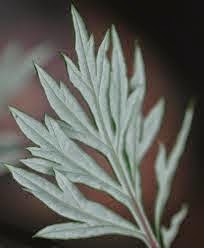
The following is another teaser from the book, which will most likely be the last, as we are literally in the final stages of publishing.  The book should be set free into the world within the next few weeks.ai+ye.jpg

膠艾湯

Jiāo Ài Tāng

Donkey-Hide Gelatin and Mugwort Decoction

治婦人有漏下者,有半產後因續下血都不絕者,有妊娠下血者,假令妊娠腹中痛,為胞阻,以此湯主之。

A treatment for women with [either] spotting, incessant blood descent following late miscarriage, or blood descent in pregnancy. If [there is] abdominal pain in pregnancy, [then] this is uterine obstruction, and this decoction rules it.

乾地黃(六兩)川芎   阿膠     甘草(各二兩)艾葉   當歸(各三兩)芍藥(四兩)

gān dì huáng

乾地黃

18g

chuān xiōng

川芎

6g

ē jiāo

阿膠

6g

gān cǎo

甘草

6g

ài yè

艾葉

9g

dāng guī

當歸

9g

sháo yào

芍藥

12g

上七味,以水五升、 清酒三升,合煮取三升,去滓,內膠令消盡,溫服一升,日三服,不差更作。

Simmer the seven ingredients above in 1,000ml of water with 600ml of clear wine, until reduced to 600ml. Remove the dregs, and dissolve the ē jiāo in the decoction. Take 200ml warm, three doses per day, and repeat if [the condition] fails to resolve.

Song 歌曰:

妊娠腹滿阻胎胞,名曰胞阻,以胞中氣血虛寒,而阻其化育也。二兩芎藭草與膠,歸艾各三芍四兩,地黃六兩去枝梢。

Abdominal fullness in pregnancy with fetal obstruction, this is called fetal obstruction, which is the result of qì and blood vacuity with cold, which hinders the growth and development of the fetus. Six grams chuān xiōng*,  gān cǎo, and ē jiāo, nine grams each of dāng guī and ài yè, twelve of sháo yào, and eighteen of dì huáng eliminates the tip of the branch.

Commentary by [Chén] Yuánxī男元犀按:

芎藭、 芍、 地,補血之藥也;然血不自生,生於陽明水谷,故以甘草補之。阿膠滋血海,爲胎産百病之要藥;艾葉暖子宮,爲調經安胎之專品,合之爲厥陰、 少陰、 陽明及衝任兼治之神劑也。後人去甘草、 阿膠 、艾葉,名爲四物湯,則板實而不靈矣。

Chuān xiōng , sháo yào, and dì huáng are blood-supplementing medicinals. Blood is not generated on its own, but is engendered from water and grains in yángmíng therefore, gān cǎo is used to supplement [yángmíng]. Ē jiāo enriches the sea of blood, and is a very important medicinal for treating various pregnancy related diseases. Ài yè warms the uterus, and is a specific medicinal to regulate menstruation and calm the fetus. This is a divine formula, which unites juéyīn, shàoyīn and yángmíng, and simultaneously treats the thoroughfare and controlling vessel. In later times, people have removed the gān cǎoē jiāo and ái yé, renaming it Sì Wù Tāng, making this formula stiff, bound and ineffective!

*Although the Chinese above says xiōng qiáng 芎藭, I have opted to translate this medicinal using its alternate, more common name chuān xiōng 川芎, and will appear as such in the remainder of the text.


溫經湯 Wēn Jīng Tāng (Channel Warming Decoction)

It’s been a while since I’ve posted anything up here. Now it’s not that I’ve been intentionally neglecting the site, but these days have been quite busy moving house, finishing up my book, and well, life!

Here’s another teaser from my upcoming translation of Chén Xiūyuán’s Jīn Guì Fāng Gē Kuò (Formulas from the Golden Cabinet with Songs), which should be released this summer. 

溫經湯
Wēn Jīng Tāng
Channel Warming Decoction
治婦人年五十所, 病下利數十日不止, 暮即發熱, 少腹裡急, 腹滿, 手掌煩熱, 唇口乾燥, 此屬帶下。  何以故? 曾經半產, 瘀血在少腹不去。  何以知之? 其証唇口乾燥, 故知之, 當以此湯主之。
A treatment for women in their fifties who suffer from incessant diarrhea more than ten times per day, with heat effusion in the evening, lesser abdominal urgency, abdominal fullness, vexing heat in the palms, and dry lips and mouth. This belongs to women’s diseases. What is the reason?  There was a history of late miscarriage and static blood now remains in the lesser abdomen.  How can one know this?  The pattern manifests with dry lips and mouth, and this is how one knows this, and this formula rules it.
吳茱萸(三兩)當歸   芎藭   芍藥   人參   桂枝   阿膠    丹皮    甘草(各二兩)生薑(三兩。  一本二兩)半夏(半升。  一本二升)麥冬(一升)
wú zhū yú
吳茱萸
9g
dāng guī
當歸
6g
xiōng qióng
芎藭
6g
sháo yào
芍藥
6g
rén shēn
人參
6g
guì zhī
桂枝
6g
ē jiāo
阿膠
6g
dān pí
丹皮
6g
gān cǎo
甘草
6g
shēng jiāng
生薑
9g[1]
bàn xià
半夏
100ml[2]
mài dōng
麥冬
200ml
十二味, 以水一斗, 煮取三升, 分溫三服。  亦主婦人少腹寒, 久不受胎; 兼治崩中去血, 或月水來多, 及至期不來。
Simmer the eleven ingredients above in 2,000ml of water until reduced to 600ml. Divide and take heated in three doses. It also rules (the treatment) of lesser abdominal cold in women, infertility, and simultaneously treats flooding, copious menstruation, as well as delayed menstruation.
Song 歌曰:
溫經芎芍草歸人, 膠桂丹皮二兩均, 八物各二兩  半夏半升麥倍用, 吳茱萸三兩對君陳。
For wēn jīng tāng (use) chūan xiōng, sháo yào, gān cǎo, dāng guī, rén shēn, ē jiāo, guì zhī, and dān pí each at six grams,  (6 grams for each of the eight medicinals). Use 100ml of bán xiá and double of mài dōng, plus nine grams each of shēng jiāng and wú zhū yú.
Commentary by (Chén) Yuánxī男元犀按:
方中當歸、芎藭、 芍藥、 阿膠, 肝藥也; 丹皮、 桂枝, 心藥也; 吳茱萸, 肝藥亦胃藥也; 半夏, 胃藥亦衝藥也; 麥門冬、 甘草, 胃藥也; 人參補五臟, 生薑利諸氣也。  病在經血, 以血生於心, 藏於肝也, 衝為血海也。  胃屬陽明, 厥陰衝脈麗之也。  然細繹方意: 以陽明為主, 用吳茱萸驅陽明中土之寒, 即以麥門冬滋陽明中土之燥, 一寒一熱, 不使偶偏, 所以謂之溫也; 用半夏、 生薑者, 以薑能去穢而胃氣安, 夏能降逆而胃氣順也; 其余皆相輔而成溫之之用, 絕無逐瘀之品。  故過期不來者能通之, 月來過多者能止之, 少腹寒而不受胎者並能治之, 統治帶下三十六病, 其神妙不可言矣。
Within the formula, dāng guī, chūan xiōng, sháo yào and ē jiāo are all liver medicinals; dān pí and guì zhī are heart medicinals; wú zhū yú is both a liver and stomach medicinal; bán xiá is both a stomach and thoroughfare (vessel) medicinal; mài dōng and gān cǎo are stomach medicinals; rén shēn supplements the five viscera, and shēng jiāng disinhibits all qì. Disease is in the menstrual blood. Blood is engendered in the heart, stored in the liver, and the thoroughfare vessel is the sea of blood. The stomach belongs to yáng míng, and is linked[3]to both the jué yīn and the thoroughfare vessel. Now (we must) carefully examine the meaning of the formula. As (the condition) is ruled by yáng míng, wú zhū yú is used to expel cold from yáng míng center earth, while mài dōngenriches dryness within yáng míng center earth – one cold and one hot medicinal. (While being) neither too cold nor too warm, (the formula) is (still) referred to as warm. As for the usage of bán xiá and shēng jiāng, shēng jiāng eliminates foulness and calms stomach qì, while bán xiá is able to downbear counterflow and smooth stomach qì. The remaining (medicinals) are used to assist in warming, and are by no means ingredients for expelling stasis. Therefore, with delayed menstruation, (this formula) is able to free it and with excessive menstruation, it is able to stop it.  It is (also) able to treat lower abdominal cold and infertility, and for the thirty-six women’s diseases, its marvel is too wonderful for words!

[1]Another edition uses 6g
[2]Another edition uses 400ml
[3]: , 此為相聯系。 Here the character (Lí) implies connection, integration, or linkage.

Kidney Fixity Disease (腎著病)

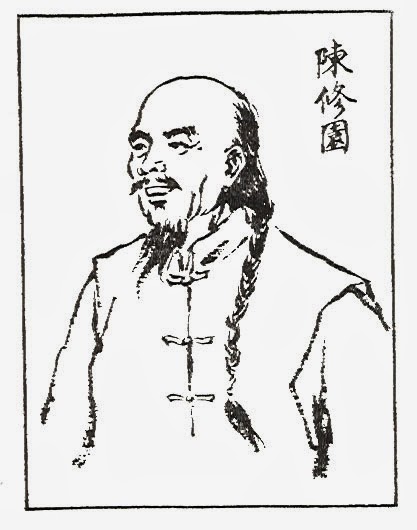
What is Kidney Fixity disease? %E9%99%B3%E4%BF%AE%E5%9C%93.jpg

Kidney fixity or as it is sometimes translated Kidney stickiness, is basically cold pain and heaviness in the lumbar region that prevents (one) from normal turning and is exacerbated by yīn-type (dull-wet) weather, attributed to kidney vacuity cold-damp becoming “fixed” in the inner body. 1

The typical formula used to treat this condition is Gān Cǎo Gān Jiāng Fú Líng Bái Zhú Tāng. I’d like to present a section from my upcoming translation of the Jīn Guì Fāng Gē Kuò (金匱方歌括)- Prescriptions from the Golden Cabinet with Songs and a couple case studies illustrating its use. 

甘薑苓白朮湯

Gān Jiāng Líng Bái Zhú Tāng

Licorice, Dried Ginger, Poria, and Ovate Atractylodes Decoction

一名腎著湯                                                                                                                                                         

Also called Kidney Fixity Decoction

治腎著之病其人身體重腰中冷如坐水中形如水狀反不渴小便自利飲食如故病屬下焦身勞汗出衣裡冷濕久久得之腰以下冷痛腹重如帶五千錢者,此主之。

A treatment for kidney fixity disease; where the patient experiences generalized heaviness and lumbar coldness, as if they are sitting in water.  Symptoms resemble those of water disease, yet there is no thirst, urination is uninhibited, and eating and drinking are normal. This means that the disease is in the lower burner.  Physical taxation with sweating leads to cold and dampness in the clothes, and over an extended period of time manifests with cold pain below the waist, and abdominal heaviness as if carrying five thousand coins.  This formula rules it.  

甘草    (各二兩)乾薑 茯苓(各四兩)

gān cǎo

甘草

6g

bái zhú

6g

gān jiāng

乾薑

12g

fú líng

茯苓

12g

上四味以水五升煮取三升分溫三服腰即溫。

Simmer the four ingredients above in 1000ml of water until reduced to 600ml.  Divide and take warm in three doses, until the lumbus feels warm. 

Song 歌曰:

腰冷溶溶坐水泉帶脈束於腰間腎著則腰帶病故溶溶如坐水中狀。  腹中如帶五千錢朮甘二兩薑苓四寒濕同驅豈偶然?

Lumbar coldness as if sitting in gently flowing water springs.

The girdling vessel binds around the lumbus.

With kidney fixity there is disease in the waist, which therefore brings the feeling as if one is sitting in water.

The abdomen feels as if it is carrying five thousand coins,

(With) six grams each of bái zhú and gān cǎo, and twelve of gān jiāng and fú ling,

is it by chance that both cold and dampness are expelled?

Quotation by Yóu Zàijīng 2 尤在涇雲:

寒濕之邪不在腎之中臟而在腎之外府故其治不在溫腎以散寒而在燠土以勝水。  若用桂、 則反傷腎之陰矣。

Cold-damp evils are not located in the kidney viscera but in the external dwelling of the kidneys.  Therefore, treatment need not involve warming the kidneys in order to dissipate cold, but to warm earth to prevail over water.  If guì zhī, or fù zǐ were used, then kidney yīn would be damaged!

Case #1

A fifty-four year-old male patient presented at the clinic with cold lumbar pain, which felt as if he were immersed and sitting in water. In addition, he had little desire to eat or drink, and his bowel movements were thin and loose.  Tongue coating was white and his pulse was soggy and moderate. This is a pattern of cold dampness fixed in the musculature of the lower back. The lumbus is the house of the kidney, and (this condition) is what is referred to in the jīn guì yào lüè as kidney fixity disease. It is suitable here to treat by warming the center, dissipating cold, strengthening the spleen and drying dampness with the formula gān cǎo gān jiāng fú líng bái zhú tāng (Licorice, Ginger, Poria and Atractrylodes Macrocephala Decoction).

gān jiāng (Zingiberis Rhizoma) 6g

gān cǎo (Glycyrrhizae Radix) 3g

fú líng (Poria) 10g

bái zhú (Atractylodis macrocephalae Rhizoma) 10g

Five packages were administered.  This patient also received local treatment with moxibustion.

Afterwards his appetite had increased and his bowel movements were now formed.

He was given another five packages of the formula above with 12g of dǎng shēn (Codonopsis Radix) added.

After finishing the formula his back pain had completely resolved.

Taken from page 193 of the ‘Simple Commentary on the Jīn Guì Yào Lüè’ (金匮要略浅述) by Tán Rì-Qiáng (谭日强)

Case #2

A fifty-year old male patient presented with aching pain in his lower back and legs.  In addition, he experienced a fear of cold, and heaviness of both legs after walking. His pulse was deep, moderate and lacking strength, and his tongue was slightly enlarged with a slippery-white coating. A yīn pulse is typically deep, and therefore this is a pattern of shào yīn yáng qì vacuity. A moderate pulse is typically associated with dampness, and therefore this is also a tài yīn spleen yáng weakness pattern. This pattern is what is referred to in the jīn guì yào lüè as kidney fixity disease. He was administered:

fú líng (Poria) 30g

bái zhú (Atractylodis macrocephalae Rhizoma) 15g

gān jiāng (Zingiberis Rhizoma) 14g

zhì gān cǎo (Glycyrrhizae Radix preparata) 10g

After taking twelve packages of the formula his legs started feeling warmer and his fear of cold, leg heaviness after walking, and pain had completely resolved.

Taken from page 145 from the Selected Clinical Case Studies of Liú Dù-Zhōu’ (劉渡舟臨証驗案)

1. (Practical Dictionary of Chinese Medicine, Wiseman et al. pg.326)

 2. Yóu Zàijīng (尤在涇) (?-1749), was a well known Qíng dynasty scholar-physician from cháng zhōu (modern day wú county in jiāngsū province), who had written several commentaries on hàn dynasty medical literature, including the Jīn Guì Yì (金匮翼), Appendices to the Golden Cabinet.

Yáng Dàn Tāng (陽旦湯) Yáng Dawn Decoction from the Jīn Guì Fāng Gē Kuò

As I am approaching close to 18 months of ardently working on the translation of the second volume of Chén Xiū-Yuàn’s Jīn Guì Fāng Gē Kuò (Formulas from the Golden Cabinet with Songs), I thought it was due time to share a small tidbit of the material.  I am getting quite close to finishing the text and it should be out sometime in the next few months.  

陽旦湯Jīn Guì Fāng Gē Kuò.jpg

Yáng Dàn Tāng

Yáng Dawn Decoction

治產後中風續續數十日不解頭微疼惡寒時時有熱心下悶乾嘔汗出 ,雖久陽旦症續在者可與之。  即桂枝湯增桂加附。  坊本謂加黃芩者未知《傷寒論》太陽篇中已明其方孫真人及各家俱誤。  桂枝湯見《傷寒論》。

A treatment for post-partum wind strike that remains unresolved for several tens of days with, a mild headache, aversion to cold, frequent heat effusion, oppression below the heart, dry retching, and sweating. Even though (the condition) has persisted for a long time, yáng dàn tāng signs are still present, and can be given. (This formula) is guì zhī tāng with increased guì zhī and the addition of fù zǐ.

An old block-printed version of the text refers to this formula as (guì zhī tāng) with the addition of huáng qín, but it is unknown whether this is the same tài yáng formula as in the Shāng hán lùn. Master Sūn Sīmiǎo and various others believed it to be so (for which) they were mistaken. For guì zhī tāng see the Shāng Hán Lùn.

 Commentary by (Chén) Yuánxī 男元犀按:

頭痛發熱、 惡寒汗出太陽表症也。  心下悶者太陽水邪彌漫心下而作悶也。  陽旦湯即桂枝湯倍桂枝加附子。  雖産後數十日不解其邪仍在於太陽之經故仍用桂枝湯解太陽之表邪加桂以化膀胱之水氣加附子以溫固水臟使經臟氣化則內外之邪出矣。  《傷寒論》桂枝加附子治漏汗加桂治氣從少腹上衝心去芍治胸滿俱有明文可據。  孫真人以桂枝湯加黃芩爲陽旦湯其意以心下悶爲熱氣誤矣。  夫有熱氣則當心煩今日心下悶則非熱可知矣。  況微惡寒時時有熱乾嘔汗出爲太陽桂枝湯之的症。  蓋太陽底面便是少陰續續至數十日不解顯系少陰之君火微而水寒之氣盛寒氣上淩陽位是以爲心下悶之苦。  故取桂枝湯增桂以扶君主之陽加附子以鎮水陰之逆使心陽振水臟溫則上逆之陰邪不攻而自散矣。

Headaches, heat effusion, aversion to cold, and sweating are symptoms associated with a tài yáng exterior pattern. (With) oppression below the heart, tài yáng water evils pervade (the area) below the heart and cause oppression. Yáng dàn tāng is guì zhī tāng with double the guì zhī and the addition of fù zǐ. Although there is a lack of resolution ten days post partum, evils are still located in the tài yáng channel, and it is for this reason that guì zhī tāng is used to resolve exterior evils in the tài yáng. Guì zhī is increased in order to transform water qì in the bladder.  Fù zǐ is added to the formula to warm and secure the water viscus, enabling the transformation of qì in the channels and viscera, and ensuring the expulsion of evils in both the interior and exterior. In the Shāng Hán Lùn, guì zhī jiā fù zǐ tāng is used to treat leaking sweat; increasing guì zhī treats surging qì from the lesser abdomen into the heart, and removing sháo yào treats chest fullness. These (principles) are in accordance with the (original) writings. (According to) master Sūn (sīmiǎo), yáng dān tāng is guì zhī jiā huáng qín tāng, (as he felt that) oppression below the heart was due to hot qì; this is a mistake! Now if there were hot qì, then there would be heart vexation, (but) presently with the oppression below the heart, we know there is no heat!  Moreover, slight aversion to cold, and frequent heat (effusion), dry retching, and sweating, is a guì zhī tāng tài yáng presentation. In all (cases) of tài yáng, there is shào yīn at the bottom, and with continuous (wind strike) reaching ten days without resolution, there is a clear relation to the debilitation of shào yīn sovereign fire, with exuberance of cold water qì. Cold qì ascends and encroaches into the position of yáng, resulting in oppression below the heart. Therefore, guì zhī tāng with increased guì zhī, supports sovereign yáng, and with the addition of fù zǐ counterflow of water yīn is settled, heart yáng is vitalized, and the water viscus is warmed.  Then, ascending counterflow of yīn evils will not attack, and dissipate on their own!

A Concretions and Conglomerations Case- Féng Shì-Lún (冯世纶)

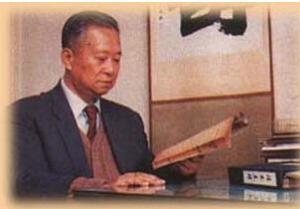
%E5%86%AF%E4%B8%96%E7%BA%B6.jpgA seventy-two year old retired gentleman presented on September 14, 2004 with a three- year history of liver and spleen hypertrophy.

At sixty years of age he had contracted and suffered from gallbladder inflammation and onychomycosis (ringworm of the nails). At sixty-nine he was given griseofulin to treat the ringworm, which consequently damaged his liver function.  In 2001 his ringworm had gotten much worse and so he was administered Itraconazole for several months. Although the ringworm did improve, his liver function was now abnormal, and his blood platelets had decreased.  His diagnosis was drug-induced hepatitis with splenic-liver syndrome. Western medications were ineffective. The results of his medical exams were as follows:

Blood panels: WBC 4.6 x 10¹²/L, RBC 3.93 x 10¹²/L, Platelets 59 x 109/L.

Ultrasound showed a fatty liver, liver enlargement (hepatomegaly), spleen enlargement (splenomegaly), with the thickness of the liver being 156mm and the thickness of the spleen being 70mm.

Liver function tests: AST 45IU/L, TP 8.4g/DL, GGT 76IU/L, TBA 37umol/L.

Current symptoms: Lack of strength, dryness of the mouth in the morning, frequent chest fullness, and frequent passing of flatus. He had a white tongue coat, which was greasy at the root, and his pulse was wiry and thin.

Pattern identification and basis of treatment:

Chest fullness belongs to Shào Yáng

Mouth dryness belongs to Yáng Míng

Lack of strength is associated with Tài Yīn

He was administered a modified version of xiǎo chái hú jiā shí gāo tāng (Minor Bupleurum Decoction with Gypsum)

chái hú (Bupleuri Radix) 12g

huáng qín (Scutellariae Radix) 10g

bàn xià (Pinelliae Rhizoma preparatum) 15g

dǎng shēn (Codonopsis Radix) 10g

zhǐ shí (Aurantii Fructus immaturus) 10g

chén pí (Citri reticulatae Pericarpium) 30g

shēng jiāng (Zingiberis Rhizoma recens) 12g

dà zǎo (Jujubae Fructus) 4 pieces

zhì gān cǎo (Glycyrrhizae Radix preparata) 6g

yīn chén hāo (Virgate Wormwood herba) 15g

dān shēn (Salvia Militiorrhiza) 15g

tiān huā fěn (Trichosanthis Radix 12g

biē jiǎ (Trionycis Carapax) 10g

wǔ wèi zǐ (Schisandrae Fructus) 10g

shēng shí gāo (Gypsum fibrosum) 45g

Seven packages were given.

Question: Is the ancient rén shēn actually dǎng shēn, bái shài shēn or gāo lí shēn?

Answer: If we look, we see that rén shēn’s applications in Zhòng Jǐng’s formulas are quite numerous, and dǎng shēn is capable of meeting these major requirements.

Question: In this treatment xiǎo chái hú tāng (Minor Bupleurum Decoction) was used, and in Japan it is also frequently used for hepatitis. Is this formula especially efficacious at treating hepatitis?

Answer: Not necessarily. Chinese medicine looks at the individual systems when treating and is not influenced by western medical diagnosis.  Japan’s misuse of this formula for treating hepatitis has created lots of disputes around the use of this formula, mainly because they are not relying on pattern (identification) for herb usage and strictly use western medical diagnosis to determine its use. From the perspective of orthodox Chinese medicine this use is incorrect, erroneous and can bring about side effects from the formula.  In this case xiǎo chái hú tāng (Minor Bupleurum Decoction) was used for an extended period of time, yet none of these so-called side effects were observed. These are the lessons the Chinese western integrative doctors should be drawing from.

Second consultation on September 21, 2004:  The chest fullness was not as pronounced, yet he was still lacking strength and was frequently passing gas. Shēng shí gāo (Gypsum fibrosum) was removed from the previous formula and 30g of chén pí (Citri reticulatae Pericarpium) was added. Seven packages were administered and he was also given dà huáng zhè chóng wán (Rhubarb and Ground Beetle Pill) and was instructed to take three grams once daily.

Third consultation on October 8, 2004:  Gas was reduced and bowel movements were normalized. The chén pí (Citri reticulatae Pericarpium) was kept at 30g and 15g of cāng zhú (Atractylodis Rhizoma) was added. Fourteen packs were given.

Fourth consultation on October 22, 2004: Chest fullness was still not pronounced, he experienced itchiness of his abdomen and back, he was only tired after walking and his mouth was no longer dry in the morning. Here we see the lack of strength and harmony of the mouth (no abnormal taste or sensation in the mouth) as the key signs of a Tài Yīn vacuity pattern. Therefore fú líng yǐn (Poria Beverage) is used combined with medicinals to nourish the blood, eliminate stasis, and soften hardness.

bàn xià (Pinelliae Rhizoma preparatum) 10g

dǎng shēn (Codonopsis Radix) 10g

zhǐ qiào (Aurantii Fructus immaturus) 10g

chén pí (Citri reticulatae Pericarpium) 30g

cāng zhú (Atractylodis Rhizoma) 10g

fú líng (Poria) 12g

bái sháo (Paeoniae Radix alba) 10g

táo rén (Juglandis Semen) 10g

dāng guī (Angelicae sinensis Radix) 10g

chuān xiōng (Chuanxiong Rhizoma) 6g

yīn chén hāo (Virgate Wormwood herba) 15g

dān shēn (Salvia Militiorrhiza) 15g

biē jiǎ (Trionycis Carapax) 10g

wǔ wèi zǐ (Schisandrae Fructus) 10g

After taking seven packages he occasionally had a dry mouth with a bitter taste and his GPT levels had increased. He was given a modified version of the formula from the first consultation. Afterwards he had abdominal distention, a lack of strength, and an absence of dryness or bitterness in the mouth. He was then given a modified version of the formula from his fourth consultation.

He was seen again in April of 2005 where he was commonly experiencing a dry mouth with a bitter taste, and a lack of strength in the lower limbs. His tongue coating was white and greasy and his pulse was wiry and thin.  This was a Jué Yīn pattern of blood vacuity with water exuberance and cold-heat complex for which he was given a combination of chái hú guì zhī gān jiāng tāng (Bupleurum, Cinnamon Twig, and Ginger Decoction) and dāng guī sháo yào sǎn (Tangkuei and Peony Powder) to treat it. This formula was taken for roughly one year after which his abdominal distention, poor appetite, and lack of strength were resolved, and his overall spirit had improved. In July of 2005 he returned for a follow-up ultrasound. The results were as follows:

1.     Hepatic diffused lesion

2.     Spleen enlargement, increase of the Spleen’s portal vein (thickness of liver was 110mm, and the thickness of the spleen was 50mm)

Overall, his symptoms were improved, and his liver and spleen had reduced in size. He was advised to stop his formula and keep a close watch (on his symptoms).

Question: In the first consultation this man was given a modified version of xiǎo chái hú tāng (Minor Bupleurum Decoction), in the fourth consult he was given wài tái fú líng yǐn (Poria Beverage from the Wài Tái), and afterwards he was given a combination of chái hú guì zhī gān jiāng tāng (Bupleurum, Cinnamon Twig, and Ginger Decoction) with dāng guī sháo yào sǎn (Tangkuei and Peony Powder). Can you please elucidate as to whether a half interior half exterior pattern can shift into the interior, and also if an interior condition can shift into the half interior half exterior?

Answer:  It’s not exactly like that. Generally, a disease shifts due to the diminishing of fluids and can pass through the exterior, half exterior half interior, and interior. In disease, Shào Yáng can pass through to Yáng Míng, but Yáng Míng can absolutely not pass to Shào Yáng. This is the reason it is said that in Yáng Míng disease “there is nothing to return to”.  So when a disease presents as a combination of half exterior half interior with an interior (condition), one must use medicinals on the basis of the aspect that is stressed more.

Question: It is said the Dr. Hú was greatly influenced by the great Kampo doctors.  What are the differences and similarities between his research on the works of Zhòng Jǐng’s to those done by Japanese physicians?

Answer: Both sides attached great importance to the work of Zhòng Jǐng and the reasoning, thought process, and identification of the cause of diseases. They both used the perspective of the eight principles pattern identification in order to research and study classic formulas, and paid particular attention to formula pattern correspondences. They felt the six channels were established rules (suitable) for (diagnosing) hundreds of diseases.