Classical Formulas Interior Yīn Presentations (Tài Yīn disease)
- The Concept of Interior Yīn Presentations
Clause 273 in the Shāng hán lùn (傷寒論 Discussion of Cold Damage) says:
“In Tài Yīn disease, there is abdominal fullness and vomiting, inability to get food down, severe spontaneous diarrhea, and periodic spontaneous abdominal pain, and if purgation is used, there will be a hard bind below the chest”.
This is the essential outline of a Tài Yīn and interior yīn presentation, which is describing an interior vacuity with accumulation of rheum, therefore manifesting with abdominal fullness and vomiting, and an inability to get food down, not only because there is cold rheum in the stomach, but also because (the stomach) is unable to receive it, thus also manifesting with severe spontaneous diarrhea. (When) cold qì descends into the lower abdomen there will be spontaneous abdominal pain, and when cold does not descend, pain will spontaneously cease. Tài Yīn disease should be treated with warmth, and not with purgation. If one fails to heed to these words and erroneously purges, this will increase the vacuity of the stomach and the rheum accumulation, which will result in the transformation of cold, manifesting with a hard bind below the chest. This is the general characteristics of a Tài Yīn disease, and any disease manifesting with these signs, can be deemed a Tài Yīn disease, and if (one) uses the methods of treatment for a Tài Yīn disease, all errors would be avoided.
- Treatment Principles for Interior Yīn Presentations
Clause 277 of the Shāng hán lùn (傷寒論 Discussion of Cold Damage) says:
“When there is spontaneous diarrhea and an absence of thirst, this belongs to Tài Yīn disease; because there is cold in the viscera, a warming treatment should be used, and a Sì Nì type (of formula) is suitable”.
Not only is this line expounding on the characteristics of a Tài Yīn disease, but also mentions its treatment principle. It is saying that all diseases manifesting with spontaneous diarrhea with an absence of thirst, belong to Tài Yīn disease. Here, there is no thirst due to cold rheum in the stomach, and in order to treat it, a sì nì type of formula is suitable to warm the center and expel cold. In short, both Yáng Míng and Tài Yīn diseases are located in the interior, with the former being a yáng presentation and the latter a yīn presentation. Interior yáng Yáng Míng presentations manifest with copious heat and excess, while interior yīn Tài Yīn presentations manifest as cold and vacuity. Diarrhea can occur in both Yáng Míng and Tài Yīn diseases, however, with heat there is thirst, and with cold there is an absence of thirst. This is the key in differentiating these two patterns. Sì Nì types of formulas warm the center, and expel cold, and not only do they treat Tài Yīn disease diarrhea, but they are also the standard formulas for addressing Tài Yīn diseases in general.
- The Major Formula Presentations in Interior Yīn patterns
In the Shāng hán lùn (傷寒論 Discussion of Cold Damage), it is said that in order to treat Tài Yīn disease, a warming strategy is appropriate, and a sì nì type of formula should be used. However, there is not one specific formula for the multitude of presentations, and according to the concept of “cold in the viscera” the following are the formulas used to address these patterns.
(i) Gān Jiāng Fù Zǐ Tāng (Dried Ginger and Aconite Accessory Root Decoction) Category of Formulas:
Gān Jiāng Fù Zǐ Tāng (Dried Ginger and Aconite Accessory Root Decoction):
gān jiāng (Zingiberis Rhizoma) 3 liǎng
fù zǐ (Aconiti Radix lateralis preparata) (used fresh) 3 liǎng
Cooking method: Use three glasses of water, boiling until reduced to one cup, and take warm.
Indications: Both gān jiāng (Zingiberis Rhizoma) and fù zǐ (Aconiti Radix lateralis preparata) are center warming, cold expelling medicinals. However, gān jiāng is mainly used to treat ascending counterflow of cold rheum, while fù zǐ is used to address cold rheum distressing the lower body. Combining these two medicinals to warm the upper and lower, creates a strong formula that will invariably warm the center and expel cold. It is used to treat cold extremities, generalized body coldness, and a deep-faint pulse.
Other similar formula presentations:
Sì Nì Tāng (Frigid Extremities Decoction):
zhì gān cǎo (Glycyrrhizae Radix preparata) 2 liǎng
gān jiāng (Zingiberis Rhizoma) 1 ½ liǎng
fù zǐ (Aconiti Radix lateralis preparata) (fresh) 1 piece
There are over ten detailed clauses in the Shāng hán lùn (傷寒論 Discussion of Cold Damage) describing the use of this formula, however, the main presentation of this formula is severe interior cold vacuity manifesting with cold extremities and a faint pulse verging on expiry.
Tōng Mài Sì Nì Tāng (Vessel Freeing Frigid Extremities Decoction):
This formula is sì nì tāng with increased dosages of gān jiāng and fù zǐ. It is used for a sì nì tāng presentation with more extreme vacuity cold.
Tōng Mài Sì Nì Jiā Zhū Dǎn Zhī Tāng (Vessel Freeing Frigid Extremities Decoction Plus Pig’s Bile:
This formula is tōng mài sì nì tāng with the addition of zhū dǎn zhī (pig’s bile). It is indicated for a more severe tōng mài sì nì tāng presentation with a faint pulse verging on expiry, or an imperceptible pulse.
Sì Nì Jiā Rén Shēn Tāng (Frigid Extremities Decoction plus Ginseng):
This is sì nì tāng with rén shēn (Ginseng Radix). It is indicated in cases of stomach qì vacuity with a weak pulse following vomiting or purgation.
Fú Líng Sì Nì Tāng (Poria Frigid Extremities Decoction):
This formula is sì nì jiā rén shēn tāng with fú líng (Poria). It is typically used in a sì nì jiā rén shēn tāng presentation with additional signs of palpitations below the heart, vexation, agitation, and inhibited urination.
(ii) Fù Zǐ Tāng (Aconiti Radix lateralis preparata Decoction) Category of Formulas:
Fù Zǐ Tāng (Aconiti Radix lateralis preparata Decoction):
fù zǐ (Aconiti Radix lateralis preparata) [blast fried] 1 piece
fú líng (Poria) 3 liǎng
rén shēn (Ginseng Radix) 2 liǎng
bái zhú (Atractylodis macrocephalae Rhizoma) 4 liǎng
sháo yào (Paeoniae Radix) 3 liǎng
Indications: stomach vacuity with cold rheum manifesting with inhibited urination, generalized body pain, joint pain, and possible abdominal cramping pain.
Other similar formula presentations:
Zhēn Wǔ Tāng (True Warrior Decoction):
This formula is fù zǐ tāng with the rén shēn removed, and the addition of shēng jiāng. It is used for a fù zǐ tāng presentation with dizziness, palpitations, edema in the lower extremities, and possible pain.
Fù Zǐ Jīng Mǐ Tāng (Aconite Root And Glutinous Rice Decoction):
fù zǐ (Aconiti Radix lateralis preparata) [blast fried] 1 piece
jīng mǐ (Glutinous Rice) ½ shēng
bàn xià (Pinelliae Rhizoma preparatum) ½ shēng
zhì gān cǎo (Glycyrrhizae Radix preparata) 1 liǎng
dà zǎo (Jujubae Fructus) 10 pieces
This formula is indicated for patterns of interior vacuity cold with abdominal pain, intestinal noise, nausea, and retching counterflow.
Chí Wán (Red Pill):
fú líng (Poria) 4 liǎng
bàn xià (Pinelliae Rhizoma preparatum) 4 liǎng
wū tóu (Aconiti Radix) [blast fried] 1 piece
xì xǐn (Asari Herba) 1 liǎng
This is indicated for cold natured abdominal pain accompanied by counterflow qì.
Dà Wū Tóu Jiān (Major Aconite Main Tuber Brew):
This formula is simply 5 large pieces of wū tóu (skin removed) boiled with honey added afterwards. It is used for cold mounting abdominal pain, reversal counterflow in the four extremities, and a deep, wiry pulse.
(iii) Gān Cǎo Gān Jiāng Tāng (Licorice and Ginger Decoction) Category of Formulas:
Gān Cǎo Gān Jiāng Tāng (Licorice and Ginger Decoction):
zhì gān cǎo (Glycyrrhizae Radix preparata) 6 liǎng
gān jiāng (Zingiberis Rhizoma) 3 liǎng
Indications: Stomach vacuity cold with ejection of foamy drool and vomiting counterflow.
Other similar formula presentations:
Lǐ Zhōng Tāng or Wán (Regulate the Middle Decoction or Pill):
This formula is gān cǎo gān jiāng tāng with the addition of rén shēn and bái zhú. It treats a gān cǎo gān jiāng tāng presentation with hard epigastric glomus and inhibited urination.
Dà Jiàn Zhōng Tāng (Major Construct the Middle Decoction):
shǔ jiāo (Zanthoxyli Pericarpium) 3 liǎng
gān jiāng (Zingiberis Rhizoma) 6 liǎng
rén shēn (Ginseng Radix) 3 liǎng
jiāo yí (Malt Sugar) 1 shēng
This formula is indicated for stomach vacuity cold patterns manifesting with severe chest and abdominal pain, vomiting counterflow, and an inability to eat.
(iv.) Jú Pí Tāng (Tangerine Peel Decoction) Category of Formulas:
Jú Pí Tāng (Tangerine Peel Decoction):
jú pí (Citri Reticulatae Pericarpium) 4 liǎng
shēng jiāng (Zingiberis Rhizoma recens) 8 liǎng
Indications: Dry retching and poor food intake.
Other similar formula presentations:
Jú Pí Zhǐ Shí Shēng Jiāng Tāng (Tangerine Peel, Unripe Bitter Orange, and Fresh Ginger Decoction):
This formula is jú pí tāng with a higher dose of jú pí and distention clearing, bind breaking zhǐ shí added. It treats a jú pí tāng presentation with more severe counterflow fullness and glomus and congestion in the chest.
Jú Pí Zhú Rú Tāng (Tangerine Peel and Bamboo Shavings Decoction):
This formula is jú pí tāng with a double dose of jú pí and the additions of zhú rú (Bambusae Caulis in Taenia) to treat coughing and counterflow ascent of qì and gān cǎo, rén shēn, and dà zǎo to calm the center and relax tension. It is used to treat a jú pí tāng presentation with stomach vacuity hiccups, retching, cough and counterflow.
Fú Líng Yǐn (Poria Beverage):
This formula is jú pí zhǐ shí shēng jiāng tāng with the addition of rén shēn to strengthen the stomach, and fú líng to disinhibit water. It is indicated for patterns manifesting with epigastric distention and fullness, epigastric glomus, poor food intake, shortness of breath, and inhibited urination.
(v) Bàn Xià Tāng (Pinellia Decoction) Category of Formulas:
Bàn Xià Tāng (Pinellia Decoction):
bàn xià (Pinelliae Rhizoma preparatum) 1 shēng
shēng jiāng (Zingiberis Rhizoma recens) ½ jīn
Indications: water rheum in the stomach with vomiting counterflow and possible headaches and a lack of thirst.
Other similar formula presentations:
Shēng Jiāng Bàn Xià Tāng (Fresh Ginger and Pinellia Decoction):
This formula is xiǎo bàn xià tāng with an increased dosage of shēng jiāng. It treats a bàn xià Tāng presentation with more severe rheum.
Xiǎo Bàn Xià Jiā Fú Líng Tāng (Minor Pinellia Decoction Plus Poria):
This is xiǎo bàn xià tāng with the addition of fú líng, and treats a similar presentation with the additional signs of heart palpitations and dizziness.
Bàn Xià Gān Jiāng Sǎn (Pinellia and Dried Ginger Powder):
This is xiǎo bàn xià tāng with gān jiāng used instead of shēng jiāng. It treats dry retching, and ejection of foamy drool due to stomach vacuity cold.
Dà Bàn Xià Tāng (Major Pinellia Decoction):
This formula is composed of:
bàn xià (Pinelliae Rhizoma preparatum) 2 shēng (washed)
rén shēn (Ginseng Radix) 3 liǎng
bái mì (honey) 1 shēng
It is used in stomach vacuity cold patterns with epigastric glomus and vomiting.
Gān Jiāng Bàn Xià Rén Shēn Wán (Dried Ginger, Pinellia, and Ginseng Pill):
This formula is a combination of xiǎo bàn xià tāng and bàn xià gān jiāng sǎn, and is used to treat more sever vomiting, and a hard epigastric glomus. The pill form of this medicine is milder, but is safer to use when treating morning sickness in pregnant patients.
Hòu Jiāng Bàn Gān Shēn Tāng (Officinal Magnolia Bark, Fresh Ginger, Pinellia, Licorice, and Ginseng Decoction):
This formula is shēng jiāng bàn xià tāng with a high dose of hòu pò to eliminate distention and fullness, and the additions of rén shēn and gān cǎo to supplement the center; therefore, it treats a shēng jiāng bàn xià tāng presentation with abdominal fullness and distention.
Bàn Xià Hòu Pò Tāng (Pinellia and Magnolia Bark Decoction):
This formula is xiǎo bàn xià jiā fú líng tāng with the addition of hòu pò and sū yè (zǐ). It treats phlegm-rheum qì bind causing chest fullness, throat blockage, coughing and counterflow.
Xuán Fù Dài Zhě Tāng (Inula and Hematite Decoction):
This formula is hòu jiāng bàn gān shēn tāng with hòu pò removed and xuán fù huā, dài zhě shí, and dà zǎo added. It is indicated in patterns of stomach vacuity cold with vomiting counterflow.
(vi) Zhū Líng Sǎn (Polyporus Powder) Category of Formulas:
Zhū Líng Sǎn (Polyporus Powder):
This formula is composed of equal parts zhū líng, fú líng, and bái zhú. It treats stoppage and depression of fluids in the stomach transforming into heat with symptoms of vomiting, thirst, and inhibited urination.
Other similar formula presentations:
Zé Xiè Tāng (Alismatis Decoction):
This formula is zhū líng sǎn, with both zhū líng and fú líng removed, and zé xiè added. It treats water rheum in the stomach with inhibited urination and dizziness.
Fú Líng Zé Xiè Tāng (Poria and Alismatis Decoction):
This is líng guì zhú gān tāng with the addition of zé xiè and shēng jiāng, and treats vomiting, inhibited urination, and thirst with a desire to drink water.
Gān Cǎo Gān Jiāng Fú Líng Bái Zhú Tāng (Licorice, Dried Ginger, Poria, and Atractylodes Decoction):
This is gān cǎo gān jiāng tāng with the addition of fú líng and bái zhú. It treats lumbar cold and heaviness, and spontaneously uninhibited urination.
The above-mentioned formulas all treat Tài Yīn disease interior vacuity cold presentations. Tài Yīn disease is an interior yīn pattern, where pathogens have entered the interior, which will present with interior yīn signs. When a persons’ right qì is insufficient, and the right and pathogens contend with each other in the interior for an extended period of time, this can result in a whole host of transmuted patterns.
When interior vacuity cold is affected by blood vacuity or vacuity of fluids, blood nourishing or fluid generating formulas should be used, such as, xiōng guī jiāo ài tāng (Chuanxiong, Chinese Angelica, Ass Hide Glue, and Mugwort Decoction), dāng guī sháo yào sǎn (Tangkuei and Peony Powder), wēn jīng tāng (Channel-Warming Decoction), zhì gān cǎo tāng (Honey-Fried Licorice Decoction), huáng tǔ tāng (Yellow Earth Decoction), bā wèi wán (Eight-Ingredients Deoction), etc. In addition, when disease pathogens are in the interior and the condition responds differently, we must select different formulas with specific indications to address these changes, such as guā lóu xiè bái bàn xià tāng (Trichosanthes, Long Stamen Onion, and Pinellia Decoction), yì yǐ fù zǐ bài jiàng sǎn (Coix, Aconite, and Patrinia Powder), and several others. Zhòng Jǐng discussed these fine details quite meticulously, and when we carefully consult his works, we can achieve positive (clinical) results.
- The Position of Tài Yīn Disease Amongst The Six Channels
In regards to classical formulas, generally speaking, when pathogens are in the exterior, the disease is easy to resolve and the disease nature is quite mild. If pathogens are located in the interior, then the disease is difficult to cure, and the nature is more serious. This can be seen clearly from the analysis of formula presentations. With an interior disease, regardless if it is a yáng presentation or a yīn presentation, they are all more serious patterns. For example, in an interior yáng Yáng Míng presentation, we see; “late afternoon tidal heat effusion, no aversion to cold and soliloquy as if the person is seeing ghosts, and if serious the person will not recognize people, will pick at the bedclothes, feel fear and disquietude, pant slightly and stare forward”. “Delirious speech and tidal heat” is a dà chéng qì tāng (Major Order the Qi Decoction) presentation; Another example is; “abdominal fullness, generalized heaviness, difficulty turning sides, insensitivity of the mouth, grimy face, delirious speech, and enuresis. If sweating is promoted, there will be delirious speech, and if purgation is used, sweat will arise on the forehead, and there will be reversal cold of the extremities”. This is a bái hǔ tāng (White Tiger Decoction) presentation.
These are all interior yáng presentations, which are quite serious and have already affected the mind. These are the interior signs that appear when right qi is still vigorous and can resist pathogenic qì, and if it becomes too weak, it must be treated otherwise it would threaten (one’s life). With interior yīn presentations, right qi is originally vacuous, and when pathogens are exuberant in the interior, right qì is unable to overcome these pathogens and they become dangerous in a very short time. By looking at the yáng returning and counterflow stemming effect of the sì nì formulas, this concept becomes quite clear. For example, clause 388 says:
“When there is vomiting and diarrhea, sweating, heat effusion, and aversion to cold, hypertonicity of the limbs, and reversal cold of the extremities, sn sì nì tāng (Frigid Extremities Decoction governs”.
Clause 389 says:
“When there is vomiting as well as diarrhea, then uninhibited urination, and great sweating, clear food diarrhea, internal cold and external heat, and the pulse is faint and verging on expiry, sì nì tāng (Frigid Extremities Decoction) governs”.
Clause 390 says:
When the vomiting has ceased and the diarrhea has stopped, yet there is sweating and reversal, unresolved hypertonicity of the limbs, and a pulse that is faint and verging on expiry, tōng mài sì nì jiā zhū dǎn zhī tāng (Vessel Freeing Frigid Extremities Decoction Plus Pig’s Bile governs”.
Clause 309 says:
“When in Shào Yīn disease there is vomiting and diarrhea, counterflow cold of the extremities, and vexation and agitation, as if the person is about to die, wú zhū yú tāng (Evodia Decoction) governs”.
In all these presentations, the bodies right qì and yáng qì are both vacuous, and pathogenic qì is strong and exuberant in the interior, already posing a risk and threatening life. One cannot hesitate with treatment, and for there to be a gleam of hope in survival, a major formula to return yáng and stem counterflow must be used. Now, of course in clinical practice, not all Tài Yīn cases are this critical and severe, but most are chronic conditions, which are basically interior vacuity cold patterns, as seen with the xiǎo bàn xià tāng, dà bàn xià tāng, xuán fù dài zhě tāng, fú líng yǐn, wú zhū yú tāng, lǐ zhōng tāng, dà jiàn zhōng tāng, gān jiāng fù zǐ tāng, fù zǐ tāng, and sì nì tāng presentations. These formulas treat relatively mild Tài Yīn patterns, but from the perspective of the classic formulas categories we can see that many Tài Yīn disease are commonly quite dangerous, and many deaths occur in the Tài Yīn stage, hence the adage “when there is stomach qì, there is life, and the absence of stomach qì bodes death”. Because Tài Yīn patterns are commonly seen, we need to be knowledgeable about the Tài Yīn classic formulas.

 Bái Zhú from Zhāng Zhì-Cōng’s Běn Cǎo Chóng Yuán (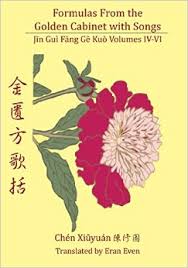

 Eran Even, Ph.D., Dr. TCM.